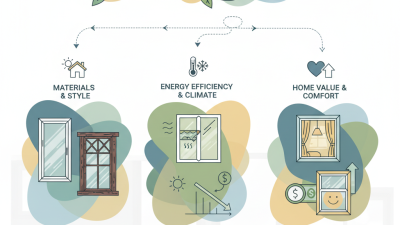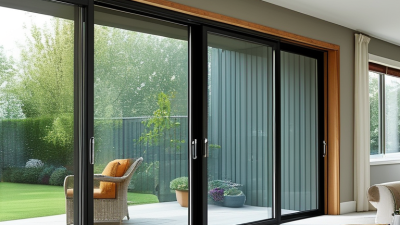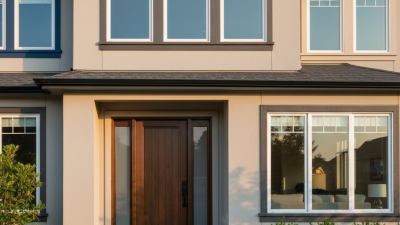
Choosing doors on windows is not simply a style decision. It affects daylight, ventilation, security, comfort, and long-term energy costs. A narrow balcony door may look elegant, yet its frame can create cold drafts beside a sofa. A large glazed door can brighten a room, but direct summer sun may overheat the floor.
The U.S. Department of Energy reports that windows can account for approximately 25% to 30% of residential heating and cooling energy use. That figure makes glass selection more important than many homeowners expect. Look for the National Fenestration Rating Council label. It shows U-factor, solar heat gain coefficient, visible transmittance, and air leakage ratings. These numbers provide a clearer comparison than attractive showroom displays.
Performance must match the climate and the opening’s direction. ENERGY STAR guidance supports choosing efficient products suited to local conditions. The Fenestration and Glazing Industry Alliance also references testing requirements for air, water, structural, and thermal performance. Ask whether the product has been tested under applicable NAFS standards. Check the sill height, drainage path, lock position, and weather-stripping by hand. Small details matter.
Do not choose from photographs alone. Measure the rough opening twice, and inspect the wall for moisture staining before installation. Honestly, even a highly rated door can fail when fitted poorly. That is an uncomfortable point, but it deserves attention. These seven tips will connect technical ratings with practical daily use, helping you choose doors on windows that feel secure, quiet, and comfortable through changing seasons.
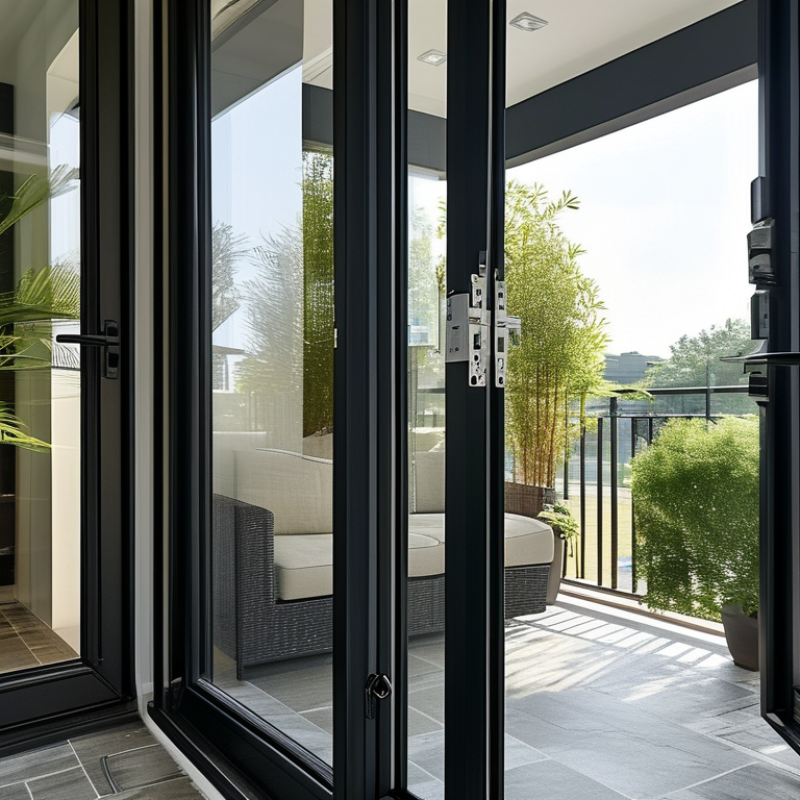
Every door and window should answer a practical question before it enters a drawing. A front door welcomes visitors and controls daily movement. A patio door should connect indoor living with a usable outdoor area. A bathroom window may provide daylight without exposing the shower. Purpose comes first. Otherwise, attractive openings can create glare, drafts, or awkward furniture layouts. I have seen plans revised because a door opened into a narrow passage. That small oversight affected the whole room.
Study placement in relation to sunlight, prevailing wind, views, and circulation. Put frequently used doors where paths feel natural, not where a wall simply has space. Keep window sills clear of counters, beds, and tall cabinets. In a kitchen, a window near the sink can provide light, but its height must suit the worktop.
South- or west-facing glass may need shading in warm climates. North-facing openings often provide softer light. These are useful guidelines, not fixed rules. Local weather changes the answer.
Check privacy from the street and neighboring rooms. Align openings to frame trees or sky instead of parked cars. Consider cleaning access, insect screens, drainage, and emergency escape requirements. A beautiful high window is less useful when nobody can reach it safely.
Door swings deserve a final test with furniture drawn at full size. Leave room for handles, strollers, and moving large items. Revisit the layout after imagining the daily routine. Plans can look perfect on paper. Real movement is less forgiving.
7 Tips for Choosing Doors on Windows?
Choosing doors or windows begins with the material, not the color. Wood offers warmth and repairability, but it needs regular sealing. Vinyl resists moisture and usually costs less. Aluminum provides slim sightlines, although untreated frames can transfer heat quickly. Fiberglass is stable in changing weather. I once chose appearance over maintenance, and the decision became inconvenient after one wet season.
Glazing deserves careful comparison. Double glazing suits many homes, while triple glazing can improve comfort in colder climates. Low-emissivity coatings help control heat through the glass. Tinted glass may reduce glare, but it can also limit natural brightness. Check the U-value, solar heat gain rating, and visible light data. Numbers matter more than showroom lighting. Safety glass is sensible near floors, entrances, and frequently used doors.
Frame construction often determines real performance. Look for insulated cavities, effective thermal breaks, tight corner joints, and dependable drainage paths. A beautiful frame can still leak air. Ask for tested air, water, and structural ratings. Confirm that the measurements match your local climate and opening size. Installation quality matters just as much as the product. An experienced installer should explain shims, flashing, sill protection, and adjustment access. I would also inspect the hardware in person. Some handles feel solid; others seem surprisingly fragile. Keep a written comparison of warranties, cleaning needs, expected service life, and replacement parts. My preference is not always the most practical one.
7 Tips for Choosing Doors on Windows?
Evaluate Size, Style, Operation, and Accessibility
Accurate measurements determine whether a door performs well or creates daily frustration. Measure the rough opening, finished floor, wall thickness, and available swing space. Measure twice. I once underestimated the clearance beside a dining table, and the door blocked a walking route. Leave room for handles, curtains, furniture, and cleaning.
Style should support the building, not compete with it. Match frame proportions, glass patterns, and visible hardware with nearby windows. Consider climate, too. Wide glass areas can increase heat gain, glare, or heat loss without suitable glazing. A local building professional can verify energy, ventilation, and safety requirements before ordering. These checks are easy to skip, but expensive to correct.
Operation affects comfort and long-term maintenance. Sliding doors save floor space, while hinged doors may seal more tightly when installed correctly. Test the opening force, lock position, drainage path, and screen movement. Accessibility deserves equal attention. A clear threshold, reachable handle, and smooth passage help children, older adults, and wheelchair users. Safety matters. Avoid layouts that create collision points near stairs or busy paths. My preference is not always practical; a beautiful door can still be awkward if users cannot operate it easily. Ask an installer to review the complete opening, not only the door itself.
Choosing Doors on Windows: Check Energy Efficiency, Security, and Weather Resistance
A window door should protect comfort, not merely fill an opening. The U.S. Department of Energy reports that windows can cause 25–30% of residential heating and cooling energy use. Check the NFRC label for U-factor and solar heat gain coefficient. A lower U-factor usually means better insulation. Lower solar heat gain can help sunny rooms stay cooler. However, the lowest number is not always best for every climate. I have seen highly rated units perform poorly after careless installation.
Security requires more than a strong-looking frame. Choose doors with reinforced strike plates, dependable hinges, and multi-point locking systems. Laminated glass can slow forced entry and reduce dangerous shards after impact. Ask whether the complete assembly has been tested, not only the lock. The hardware matters.
Weather resistance deserves equal attention. Look for published results from air-leakage, water-penetration, and structural-load tests, including ASTM E283, E331, and E330 where applicable. The Federal Emergency Management Agency recommends impact-resistant openings in high-wind regions, but local requirements still vary. Inspect the sill closely. It should drain water outward, while flashing must connect correctly with the wall’s moisture barrier. Small gaps become expensive problems. My own choice would include professional installation, even when the product seems simple. A perfect rating cannot rescue a twisted frame or missing sealant.
Check energy efficiency, security, and weather resistance before comparing styles and prices.
The planning scores show the recommended checking priority for each selection step, not laboratory test results. For energy performance, compare U-factor, solar heat-gain coefficient, and air-leakage ratings. The U.S. Department of Energy reports that windows can account for approximately 25–30% of residential heating and cooling energy use, while recognized certification and testing systems help verify performance claims.
Sources: U.S. Department of Energy, “Energy Efficient Window Coverings”; National Fenestration Rating Council performance-rating guidance; ASTM and FGIA fenestration testing standards.
7 Tips for Choosing Doors on Windows?
Confirm Installation Requirements, Maintenance, and Budget Fit
Choosing a door or window unit starts with the opening, not the appearance. Measure width, height, wall depth, and threshold height twice. A small error can cause drafts, leaks, or expensive adjustments. Check the swing direction and nearby furniture before ordering. Confirm local building requirements, emergency access rules, ventilation needs, and structural support with a qualified installer.
Installation details deserve close attention. Ask how the team will handle flashing, drainage, insulation, and sealant around the frame. These hidden layers often determine whether water stays outside. Request a written installation scope, including removal, disposal, interior repairs, and finishing work. I once underestimated the cost of repairing plaster after replacement. That mistake changed how I review estimates.
Maintenance should match your time and climate. Look for accessible tracks, replaceable seals, corrosion-resistant hardware, and finishes suited to sunlight or heavy rain. Ask how often hinges need adjustment and whether glass or screen parts can be replaced. Compare the full budget, not only the purchase price. Include labor, permits, delivery, trim, future repairs, and energy-related costs. A cheaper unit may demand more upkeep. Sometimes, the “best” option is simply the one you can maintain properly.
| Tip | Decision Area | What to Confirm | Practical Guidance | Budget Impact | Recommended Check |
|---|---|---|---|---|---|
| 1 | Verify the Opening | Confirm the rough opening width, height, depth, squareness, and structural condition. | Measure at least three points for width and height. Use the smallest measurement and allow for the manufacturer’s installation clearance. | Low if the existing opening is suitable; higher if framing, masonry, or sill repairs are required. | Have the opening inspected before ordering a custom-size door or window unit. |
| 2 | Match the Operation to the Space | Determine swing direction, slide path, clearance, handle position, and accessibility needs. | Inswing units need interior clearance; outswing units need exterior clearance. Sliding designs can help where swing space is limited. | Different hardware, screens, thresholds, and configurations can change the final price. | Mark the full operating area on the floor and check furniture, walkways, stairs, and emergency exits. |
| 3 | Confirm Weather and Energy Requirements | Review climate exposure, air leakage, water resistance, glazing type, and applicable local energy requirements. | Look for published performance information such as U-factor, solar heat gain coefficient, air leakage, and water penetration ratings. | Higher-performance glazing, insulated cores, upgraded weatherstripping, and thermal breaks generally increase initial cost. | Prioritize water management and airtight installation in exposed locations before selecting decorative upgrades. |
| 4 | Choose a Suitable Material | Compare resistance to moisture, sunlight, impact, corrosion, insects, and temperature changes. | Vinyl typically needs little painting; fiberglass resists moisture and warping; wood offers a natural finish but needs more upkeep; metal requires corrosion protection. | Material affects both purchase price and long-term costs for painting, sealing, repairs, and replacement parts. | Select materials based on exposure and maintenance capacity rather than appearance alone. |
| 5 | Plan for Maintenance | Check cleaning requirements, finish care, drainage paths, seals, hinges, rollers, and hardware access. | Inspect seals and drainage openings at least annually. Clean tracks and lubricate moving hardware according to the care instructions. | Lower-maintenance finishes may cost more initially but can reduce repainting and repair expenses. | Ask for a written maintenance schedule and confirm that replacement weatherstripping and hardware are available. |
| 6 | Review Security and Safety | Assess locking points, hinge protection, tempered or laminated glass needs, threshold height, and emergency egress. | Exterior doors should close securely and align correctly. Safety glazing may be required near doors, wet areas, or low to the floor. | Multipoint locks, impact-resistant glazing, accessibility hardware, and specialized thresholds may add to the total cost. | Check local building and fire-safety requirements before finalizing size, swing, glazing, and lock selections. |
| 7 | Calculate the Full Installed Cost | Include the unit, delivery, removal, framing, flashing, insulation, trim, hardware, permits, taxes, and disposal. | Request an itemized quote and keep a contingency of approximately 10–20% for concealed damage or preparation work. | A basic replacement may be relatively straightforward, while resizing an opening or changing from a window to a door can substantially increase labor and structural costs. | Compare at least three detailed quotes using the same specifications, installation scope, and warranty terms. |
Ontario launching new 12-year rebate program