Top 10 Benefits of Awning Windows You Need to Know About
Awning windows, characterized by their unique design that opens outward from the bottom hinge, have become an increasingly popular choice among homeowners and designers alike, thanks to their blend of functionality and aesthetic appeal. According to a recent report by the American Architectural Manufacturers Association, nearly 25% of new homes incorporate these versatile window types, reflecting their growing acceptance in modern architecture. This trend is not merely about aesthetics; awning windows offer significant advantages in terms of ventilation, energy efficiency, and weather resistance.
Moreover, the advantages of awning windows extend beyond just residential applications. The Windows & Doors Manufacturers Association highlights that installing awning windows can improve indoor air quality by allowing fresh air to circulate while effectively shielding interiors from rain and wind. With building codes increasingly promoting energy-efficient designs, the demand for high-performance windows like awning styles is on the rise. By exploring the top benefits of awning windows, homeowners can make informed decisions that enhance their living spaces while contributing to a sustainable future.
Benefits of Enhanced Ventilation with Awning Windows
Awning windows are a popular choice for homeowners seeking to enhance ventilation in their living spaces. One of the primary benefits of awning windows is their design, which allows them to open outward from the bottom. This unique configuration not only encourages airflow but also enables effective ventilation, even during light rain. By angling away from the structure, awning windows can be left open to catch refreshing breezes while keeping water out, thus providing a perfect solution for transitional weather.
Furthermore, the ability to position awning windows high on a wall enhances natural air circulation within a room. Unlike traditional sliding or double-hung windows, awning windows can be placed above countertops or in combination with other window styles, maximally utilizing vertical space. This feature allows for increased airflow without compromising privacy or security. As a result, awning windows contribute to a healthier indoor environment by preventing stale air buildup and improving overall air quality. The integration of these windows can transform a home, providing not only aesthetic appeal but also a practical approach to ventilation.
Energy Efficiency: How Awning Windows Reduce Energy Costs
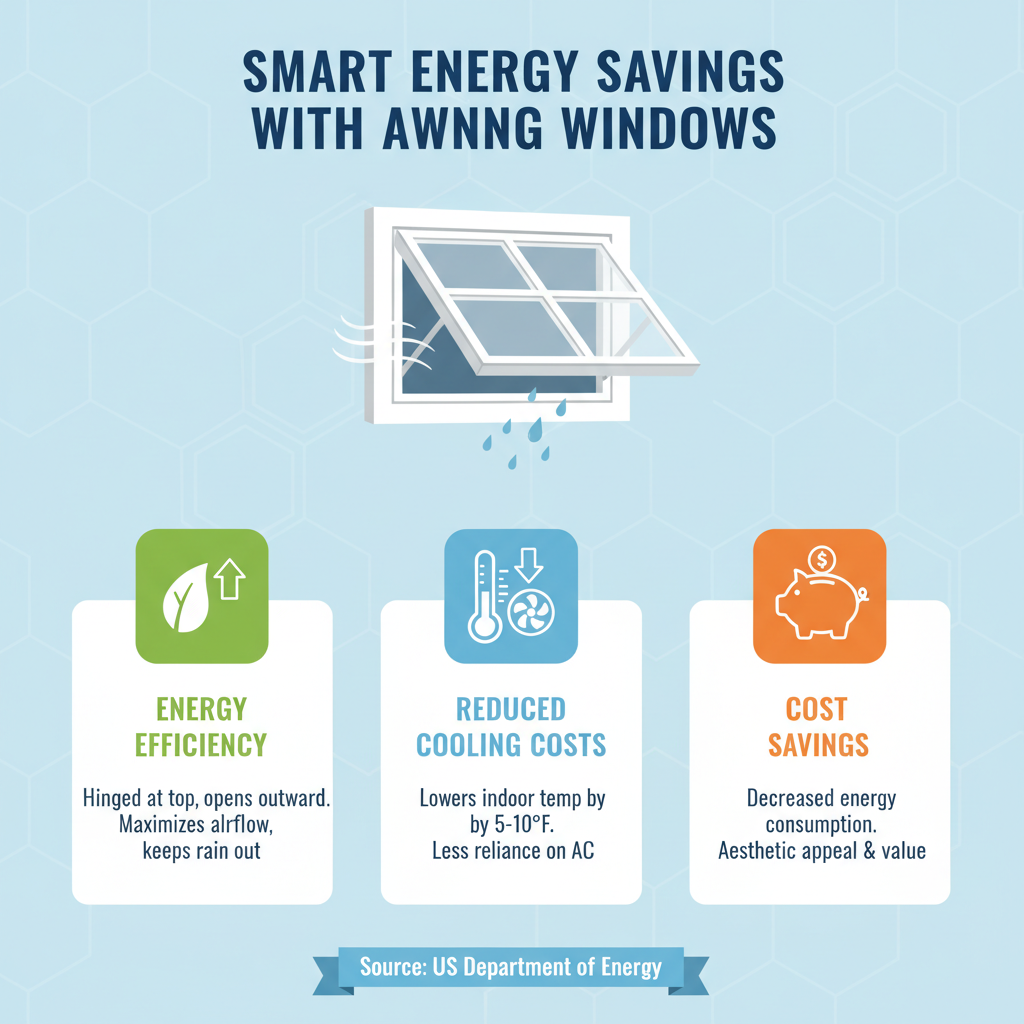
Awning windows are increasingly recognized for their energy efficiency, providing homeowners with both aesthetic appeal and cost savings. These windows are hinged at the top and open outward, allowing for excellent ventilation while keeping rain and debris out.
According to the U.S. Department of Energy, properly installed awning windows can significantly reduce reliance on air conditioning by maximizing airflow when temperatures rise. By promoting natural ventilation, these windows can decrease indoor temperatures by as much as 5-10 degrees Fahrenheit, resulting in lower energy consumption.
In addition to improved ventilation, awning windows contribute to energy savings through enhanced insulation. The ENERGY STAR program reports that high-performance awning windows can lower heating and cooling costs by up to 15%, depending on the local climate. Their tight fit when closed reduces air leakage, thus maintaining a stable indoor environment. This efficiency not only benefits the homeowner’s wallet but also aids in reducing the overall carbon footprint by minimizing the need for excessive energy use. As energy costs continue to rise, investing in awning windows presents a smart choice for environmentally conscious consumers seeking sustainable home improvements.
Weather Protection: Keeping Your Home Dry and Comfortable
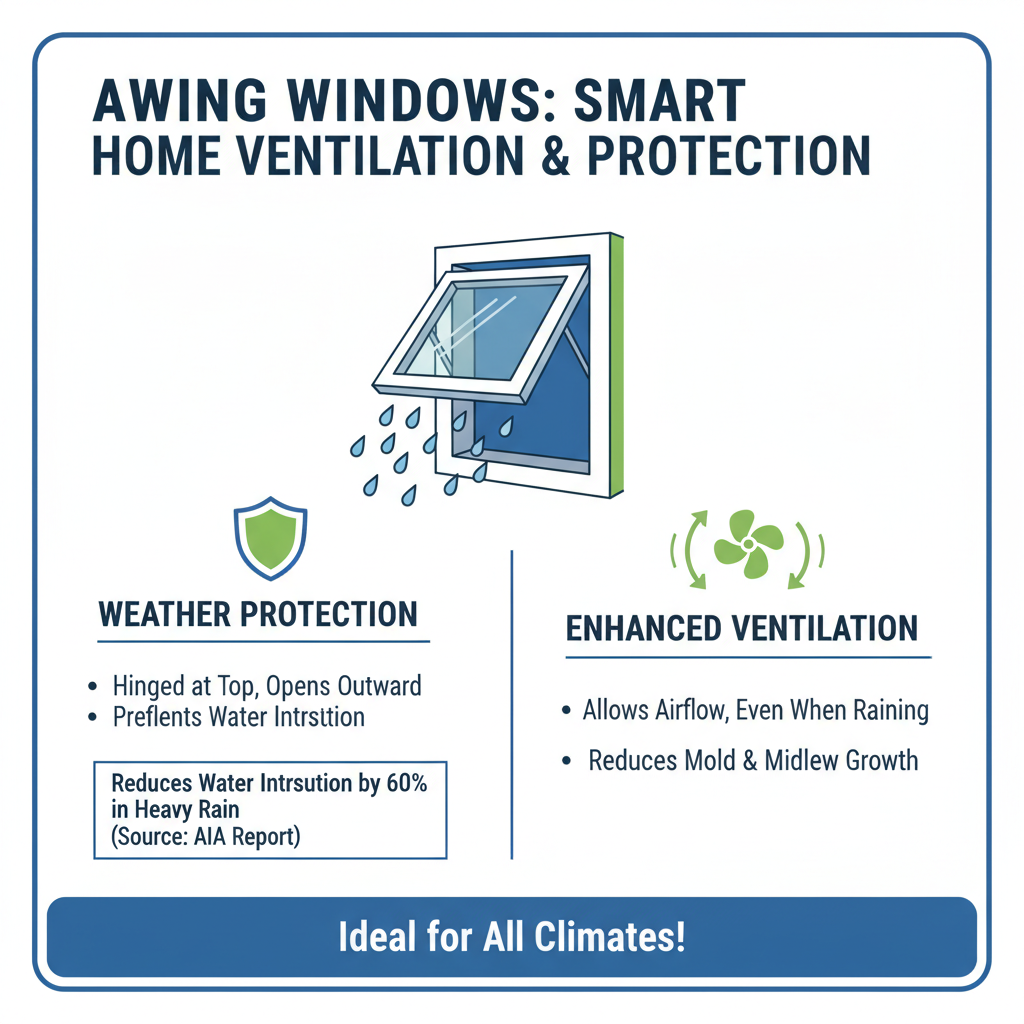
Awning windows are an excellent choice for homeowners looking to enhance weather protection while ensuring proper ventilation. These windows are hinged at the top, allowing them to open outward from the bottom, which creates a sheltered area. According to a report by the American Institute of Architects, homes with strategically placed awning windows can reduce water intrusion during heavy rain by up to
60%. This feature is particularly advantageous in areas prone to inclement weather, as it helps keep the interiors dry, preventing mold and mildew growth.
In addition to protecting against the elements, awning windows contribute to energy efficiency. The United States Department of Energy notes that windows account for approximately 25-30% of residential heating and cooling energy use. Because awning windows can remain open even during rain, they allow for continuous airflow without exposing the home to moisture, reducing the need for artificial heating and cooling. This unique design not only helps to keep your home comfortable but also promotes energy savings, making awning windows a smart investment for any homeowner.
Versatile Design: Aesthetic Appeal of Awning Windows
Awning windows, characterized by their unique design that opens outward from the bottom, offer not only functional benefits but also significant aesthetic appeal for any home. Their versatile design allows homeowners to enhance the visual appeal of both modern and traditional architecture. According to the American Architectural Manufacturers Association, awning windows can increase the overall energy efficiency of a home, ultimately contributing to a 10-15% reduction in energy costs. This efficiency can be attributed to their ability to remain open during inclement weather, allowing for ventilation without sacrificing protection from rain.
Furthermore, the sleek lines and unobtrusive nature of awning windows make them an excellent choice for creating a seamless flow between indoor and outdoor spaces. In a study conducted by the Window and Door Manufacturers Association, 72% of homeowners reported that the installation of stylish windows, such as awning types, significantly improved the appeal and value of their properties. With a variety of colors and materials available, these windows can be customized to complement any exterior design, making them a popular choice for renovations and new constructions alike. The aesthetic versatility of awning windows allows homeowners to express their unique styles while benefiting from enhanced ventilation and energy efficiency.
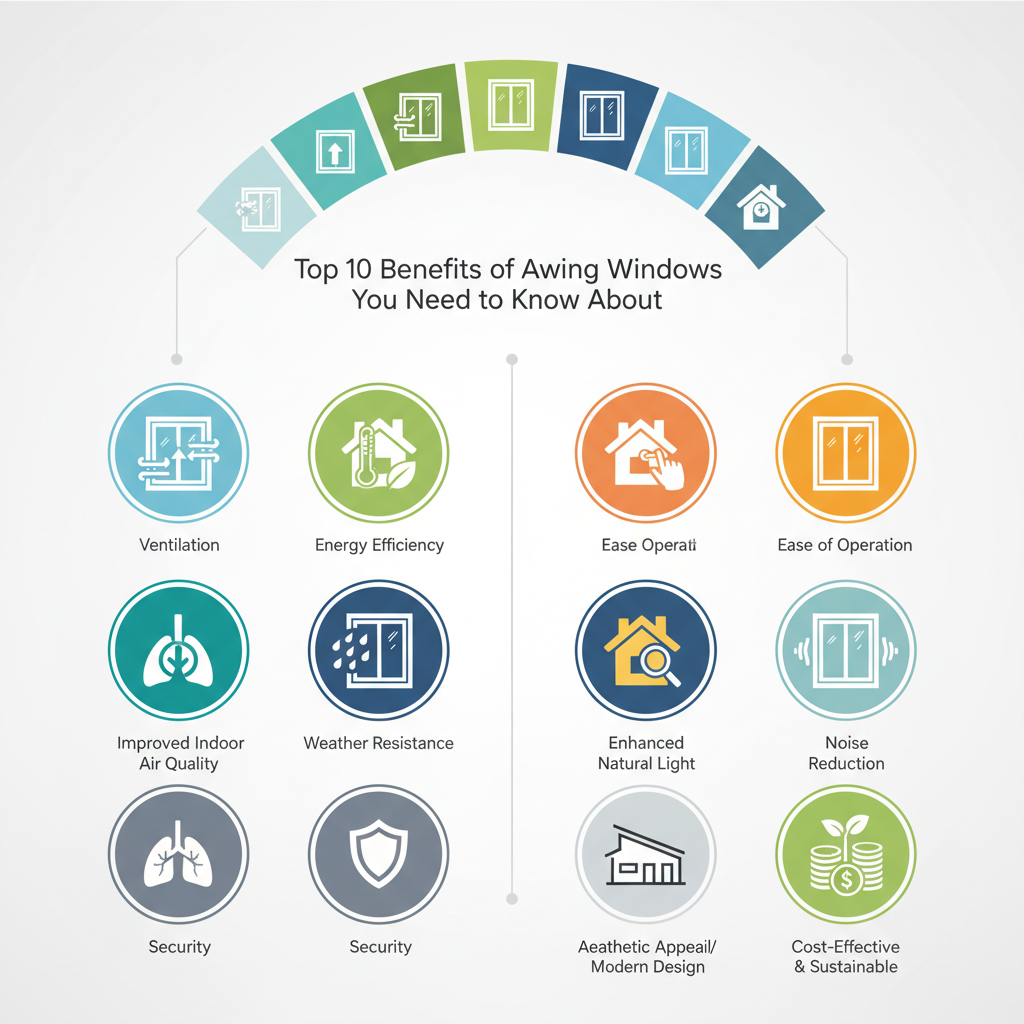
Top 10 Benefits of Awning Windows
Easy Operation and Maintenance of Awning Windows
Awning windows are increasingly popular not only for their aesthetic appeal but also for their practicality. One of their notable advantages is easy operation and maintenance. Unlike traditional window styles, awning windows open outward from the bottom, allowing for effortless ventilation even during rainfall, without risking water leakage inside. Their design also minimizes the buildup of dirt and debris, which simplifies cleaning. Research indicates that homes equipped with efficient window styles, such as awning windows, tend to have better energy efficiency, potentially reducing heating and cooling costs by up to 15%.
Tips for maintaining your awning windows include regularly checking the hinges and seals for wear and tear, which ensures they operate smoothly. Additionally, consider using a gentle, non-abrasive cleaner to keep the glass spotless without scratching. For optimal performance, it’s wise to conduct seasonal inspections to catch any issues early, maintaining both the functionality and aesthetics of your windows.
Incorporating awning windows into a home renovation can enhance both value and comfort. They not only provide excellent ventilation, but their versatility allows for creative design possibilities that can elevate the overall style of your home. Data shows that upgraded windows can yield a significant return on investment, making this style a smart choice for homeowners looking to improve their living spaces.