When homeowners compare the 7 best double hung and single hung windows, the choice can seem simple. It is not. Both styles use vertical sashes, yet their operation, maintenance, and ventilation differ in practical ways. A single hung window usually has a fixed upper sash and a movable lower sash. A double hung window allows both sashes to move. That small difference can change cleaning routines, airflow, and long-term comfort.
This guide examines each design through everyday performance, not showroom appearance alone. We consider frame materials, glass packages, weather seals, warranty terms, installation quality, and expected maintenance. A window may look elegant beside a bright kitchen sink, but poor drainage can create trouble after heavy rain. We also look at energy performance carefully. U-factor, solar heat gain coefficient, air leakage, and low-emissivity glass provide more reliable clues than broad marketing claims. Local climate matters too. A cold northern room and a humid coastal bedroom may need different priorities.
My experience with replacement projects has shown one recurring lesson: the “best” window depends on the house. Budget, wall condition, cleaning access, child safety, and ventilation habits all influence the result. I have also seen specifications overlooked because a familiar brand felt trustworthy. That judgment can be incomplete. The comparisons ahead aim to balance expert standards with real homeowner concerns, while acknowledging that installation mistakes can undermine excellent products. Read the details closely. A careful choice today may mean fewer drafts, easier cleaning, and steadier indoor temperatures for years.
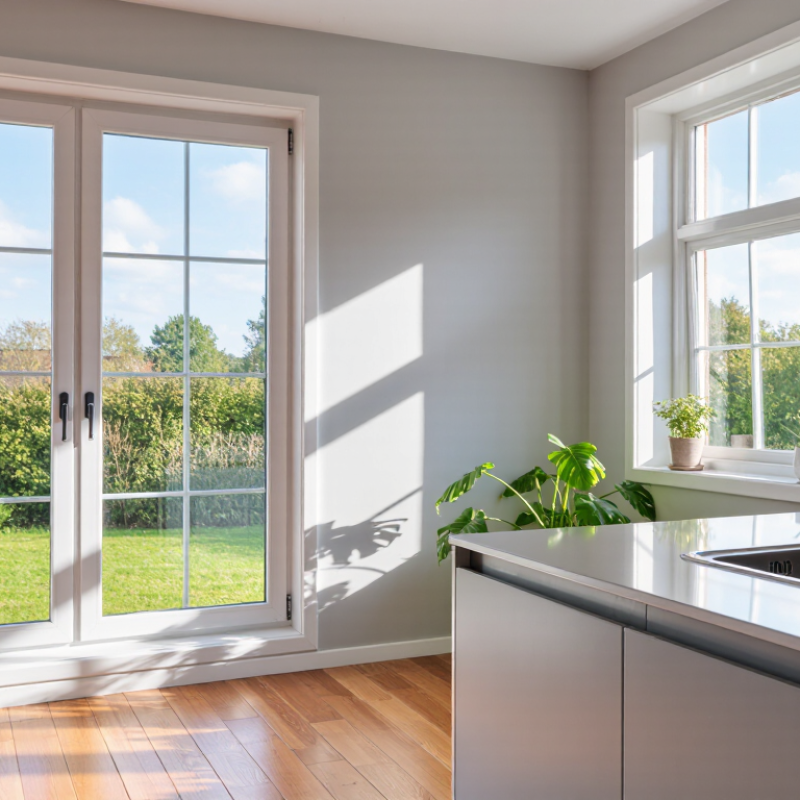
Double-hung and single-hung windows look similar, but they operate differently. A single-hung window has one movable lower sash. Its upper sash remains fixed. A double-hung window allows both sashes to slide vertically. That movement improves cross-ventilation, especially when warm air escapes through the upper opening.
Double-hung windows are also easier to clean from inside when both sashes tilt inward. This matters for upper floors and homes near busy roads. However, their extra moving parts can increase maintenance needs. Single-hung windows usually offer a simpler design and may cost less to install. The U.S. Department of Energy reports that windows can cause 25% to 30% of residential heating and cooling energy use. Therefore, operation style matters, but glass performance matters more. Check the NFRC label for U-factor, solar heat gain coefficient, and air leakage ratings. A lower U-factor generally means better insulation.
Tips: Match the window to the room. Choose double-hung units for kitchens, bedrooms, and upper floors needing frequent airflow. Use single-hung units for low-maintenance areas, garages, or rooms with limited ventilation needs. Measure rough openings carefully. Small errors create drafts. Some advice feels too simple, though. Local climate, shade, installation quality, and wall orientation can change the result. The best-looking window may perform poorly if flashing and sealing are rushed. EPA and DOE guidance also recommends professional installation when framing is damaged or unusually uneven.
Double-hung windows have two movable sashes. The upper sash slides downward, while the lower sash rises upward. This creates an opening at both ends of the frame. Warm indoor air can escape through the upper opening. Cooler air enters through the lower one. The airflow feels noticeable near a sunny room or kitchen.
Single-hung windows work differently. Their lower sash moves upward, but the upper sash remains fixed. Ventilation enters through one opening only. I have found this design easier to explain because fewer moving parts mean fewer operating choices. It is not automatically better, though. Room layout, weather, and cleaning access still matter.
A double-hung window usually tilts inward for cleaning. Each sash can be released with small tilt latches near the top corners. This helps when exterior glass faces a balcony, garden, or upper floor. A single-hung unit may require outside access for the fixed upper pane.
Check the hardware gently. Forcing a latch can damage the balance system or lock. In daily use, lift the lower sash evenly and keep both hands near its side rails. Uneven pressure may cause rubbing. I once assumed a stiff window needed more force; it actually needed track cleaning and a seal inspection. Dust, worn weatherstripping, or moisture can affect smooth operation. Measurements and installation quality matter more than appearance alone.
Double-hung and single-hung windows differ most in daily ventilation. A double-hung window opens from both the top and bottom. This creates a more balanced airflow, especially when warm air rises indoors. A single-hung window usually opens only from the bottom. It still ventilates effectively, but airflow is less adjustable. Airflow feels different. In a bedroom, the upper opening can release heat without creating a strong draft near the bed.
Cleaning is another practical divide. Double-hung sashes often tilt inward, allowing homeowners to clean exterior glass from inside. This matters on upper floors, where ladders add risk and inconvenience. Single-hung windows have fewer moving parts, so their frames may collect less dust and require less maintenance. However, exterior cleaning can be difficult above ground level. Cleaning is easier, not always.
Energy efficiency depends on more than the window style. Tight weatherstripping, insulated glass, correct installation, and durable locks influence performance. A double-hung unit may lose efficiency if its sliding seals wear over time. A single-hung model can provide strong insulation with fewer operable joints. That advantage is useful, but imperfect. Poor installation can undermine either design. Security also depends on frame strength, lock quality, and whether the window closes fully. From a practical inspection, I would check for loose sashes, damaged seals, and visible gaps before choosing between them. A window that looks attractive but rattles in wind deserves closer attention.
Double-hung and single-hung windows differ most in cost, airflow, and daily access. A single-hung unit usually costs less because only the lower sash moves. Its simpler hardware can reduce repair risks over time. A double-hung window opens from both ends, improving cross-ventilation in warm rooms. It also tilts inward, making exterior glass easier to clean from indoors. However, extra locks, balances, and moving parts may increase maintenance needs.
Material changes the budget substantially. Vinyl generally offers low upkeep and steady performance in ordinary climates. Wood provides warmth and repairable surfaces, but it needs regular sealing against moisture. Fiberglass resists movement during temperature changes, although its initial price can be higher. Aluminum frames are slim and durable, yet they may transfer heat unless properly designed. Seven “best” choices can produce different results because wall exposure, weather, and room use matter.
Installation quality often matters more than the window label. A careful installer checks the rough opening, keeps the frame square, and seals gaps around the perimeter. Poor shimming can cause stubborn locks or uneven sashes. Flashing must direct water outward, not trap it behind the trim. I have seen inexpensive windows perform well after precise installation, while premium units failed through careless sealing. Cost estimates also need caution; labor, interior repairs, disposal, and permits can change the final figure. My own comparison would weigh cleaning access more heavily than expected, especially on upper floors.
Choosing the best window style starts with the home, not a trend. During residential inspections, I compare ventilation, cleaning access, weather exposure, and room use. Double-hung windows open from both the top and bottom. This creates flexible airflow, especially when warm air gathers near ceilings. They suit bedrooms, living rooms, and traditional façades. They also have more moving parts, so hardware needs regular attention. Nothing stays maintenance-free.
Single-hung windows open only from the bottom. Their simpler design can reduce cost and limit mechanical wear. They work well in guest rooms, hallways, rental properties, and spaces with modest ventilation needs. A fixed upper sash can also create a stable appearance. However, cleaning the exterior may be difficult on upper floors. Access matters more than many homeowners expect.
For humid kitchens, double-hung operation can release cooking heat quickly. In a child’s room, opening the upper sash may improve airflow while keeping the lower area less exposed. Climate, wall condition, and emergency exit rules should guide the final choice. Measure the opening carefully, and check whether furniture blocks the lower sash. I once underestimated that detail. The window fit perfectly, yet a desk made it nearly useless. Ask an installer to verify drainage, locking points, and insulation around the frame. Expert advice helps, but homeowners should still question vague promises.
| Window Style | How It Operates | Ventilation | Cleaning and Maintenance | Energy-Efficiency Potential | Typical Cost Level | Best Suited For | Main Advantages | Important Limitations |
|---|---|---|---|---|---|---|---|---|
| 1. Standard Double-Hung Window | Both the upper and lower sashes move vertically. Many models allow the sashes to tilt inward for cleaning. | High Air can enter through the lower opening while warm air exits through the upper opening. |
Good Tilting sashes make exterior glass easier to reach from inside. |
High potential Performance depends on frame material, weatherstripping, glazing, and installation quality. |
Medium | Traditional, Colonial, Craftsman, farmhouse, and multi-story homes. | Balanced ventilation, familiar appearance, flexible opening position, and easy emergency-access options when properly sized. | More moving parts can require adjustment or maintenance. It generally costs more than a comparable single-hung window. |
| 2. Tilt-In Double-Hung Window | Both sashes slide vertically and tilt inward independently for cleaning and maintenance. | High | Excellent Particularly useful for upper floors where exterior cleaning is difficult. |
High potential Multiple sash seals can provide good air control when correctly manufactured and installed. |
Medium to medium-high | Two-story homes, apartments, homes near busy roads, and properties where ladder use is undesirable. | Convenient cleaning, strong ventilation control, and improved access to both sides of the glass. | Tilt latches and balances add mechanical components. Incorrect operation can damage the sash or hardware. |
| 3. Narrow-Frame Double-Hung Window | Upper and lower sashes slide vertically within a relatively slim frame, maximizing visible glass area. | High | Good Cleaning depends on whether the sashes tilt inward. |
Medium to high potential A slimmer frame may increase glass area, but thermal performance still depends on the frame and glazing system. |
Medium to high | Replacement projects, older homes, narrow openings, and rooms that need more daylight. | Preserves more visible glass, suits many existing openings, and maintains the classic double-hung appearance. | Some narrow-frame designs may have less insulation area or reduced structural stiffness than wider-frame alternatives. |
| 4. Cottage-Style Double-Hung Window | The lower sash is taller than the upper sash, and both sashes move vertically. | High | Good Better when the sashes tilt inward. |
Medium to high potential | Medium to high | Cottages, historic-style homes, traditional façades, and rooms with limited wall height. | Provides a distinctive traditional proportion while retaining adjustable ventilation from both sashes. | The uneven sash proportions may not suit contemporary designs. Replacement dimensions must match the existing opening carefully. |
| 5. Standard Single-Hung Window | The lower sash moves vertically; the upper sash remains fixed. | Moderate Ventilation is available through the lower opening only. |
Moderate The exterior side of a fixed upper pane can be harder to clean from inside. |
High potential The fixed upper sash has fewer moving joints, which can help simplify air sealing. |
Low to medium | Budget-conscious projects, ground-floor rooms, rental properties, and large replacement programs. | Usually less expensive, mechanically simpler, and often slightly easier to air-seal than a comparable double-hung design. | Less ventilation flexibility, limited upper-sash operation, and potentially more difficult exterior cleaning on upper floors. |
| 6. Tilt-In Single-Hung Window | The lower sash slides upward and tilts inward; the upper sash remains fixed. | Moderate | Good The operable lower sash can be removed or tilted for easier cleaning. |
High potential Fewer operable components can simplify weather sealing. |
Low to medium | Ground-floor renovations, affordable housing, rental units, and homes where simple maintenance matters. | Combines the lower cost and simpler operation of a single-hung window with improved cleaning access. | It cannot create upper-level exhaust ventilation because the upper sash does not open. |
| 7. Divided-Lite Double-Hung Window | Both sashes move vertically, while bars or applied grille systems visually divide the glass into smaller panes. | High | Moderate to good Cleaning time increases with more grille sections; removable grilles are easier to maintain. |
Medium to high potential Energy performance depends mainly on the glazing, frame, seals, and whether the grilles are between the glass or applied. |
Medium to high | Colonial, Georgian, Victorian, Craftsman, and historically styled homes. | Offers flexible ventilation while supporting a traditional architectural appearance. | More visual sections can reduce the uninterrupted view and increase cleaning effort. Decorative grilles do not replace structural muntins. |
Ontario launching new 12-year rebate program