What is the Best Home with Windows Designs?
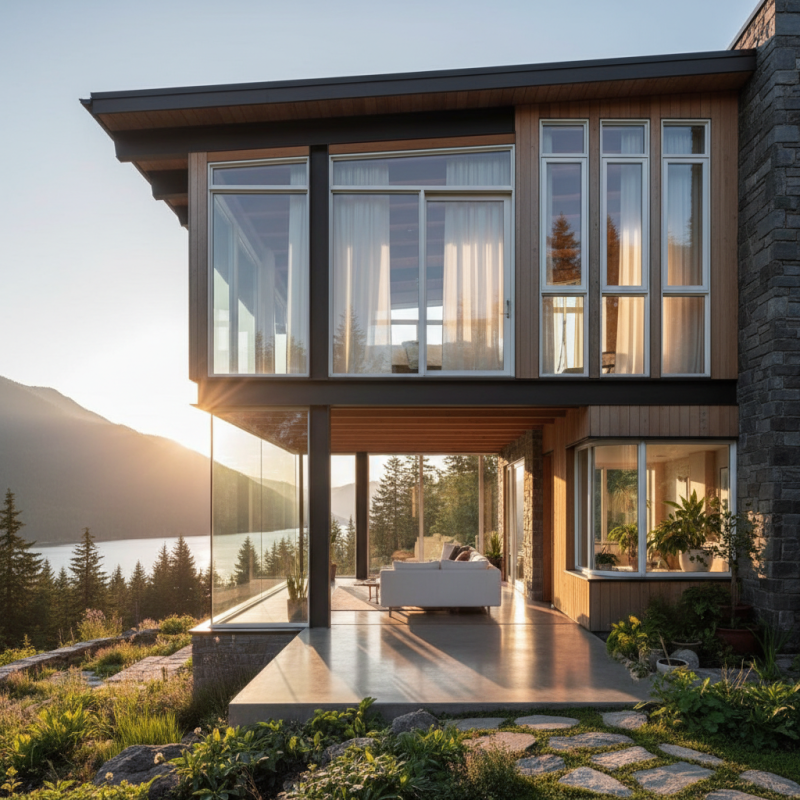
When considering a home with windows, design choices can be overwhelming. Natural light enhances the mood and makes spaces feel larger. However, it requires careful planning to achieve a balance between aesthetics and functionality.
Large windows offer stunning views and let sunlight pour in. But they can also lead to energy inefficiency. Choosing the right window style matters. In a home with windows, styles like casement, double-hung, and sliding should be considered. Each has unique advantages and drawbacks that influence overall home design.
Moreover, the placement of windows is crucial. Too many windows can create privacy issues. On the other hand, too few can make a space feel cramped. Homeowners often face this dilemma. Reflecting on these choices can shape how a home with windows truly feels. It’s not just about looks; it’s about creating a comfortable atmosphere.
Elements of Effective Window Design in Home Architecture
When designing windows for homes, several elements stand out. Effective window design enhances aesthetics while providing functionality. According to the American Institute of Architects, natural light improves mood and productivity. Homes with ample windows score higher on sale potential, often by up to 15%. This indicates a strong market preference for designs with thoughtful window placements.
The energy efficiency of windows is crucial. Reports by the Department of Energy reveal that up to 30% of heating and cooling energy can escape through inefficient windows. Proper insulation, low-emissivity coatings, and double or triple glazing can mitigate these losses. Homeowners may hesitate to invest, fearing high upfront costs, but the long-term savings are substantial. Replacing old windows can yield a return on investment of approximately 70-80% when selling a home.
Aesthetic considerations cannot be overlooked. The right window style complements overall architecture. Oversized windows create focal points but may require structural adjustments. Balancing size with privacy is vital. Many designers face challenges in achieving this balance. Reflecting on these factors helps improve future designs. Every home can benefit from optimized window designs, but the journey involves trial, error, and thoughtful adjustments.
Analysis of Popular Window Types in Home Architecture
Popular Window Styles for Modern Homes
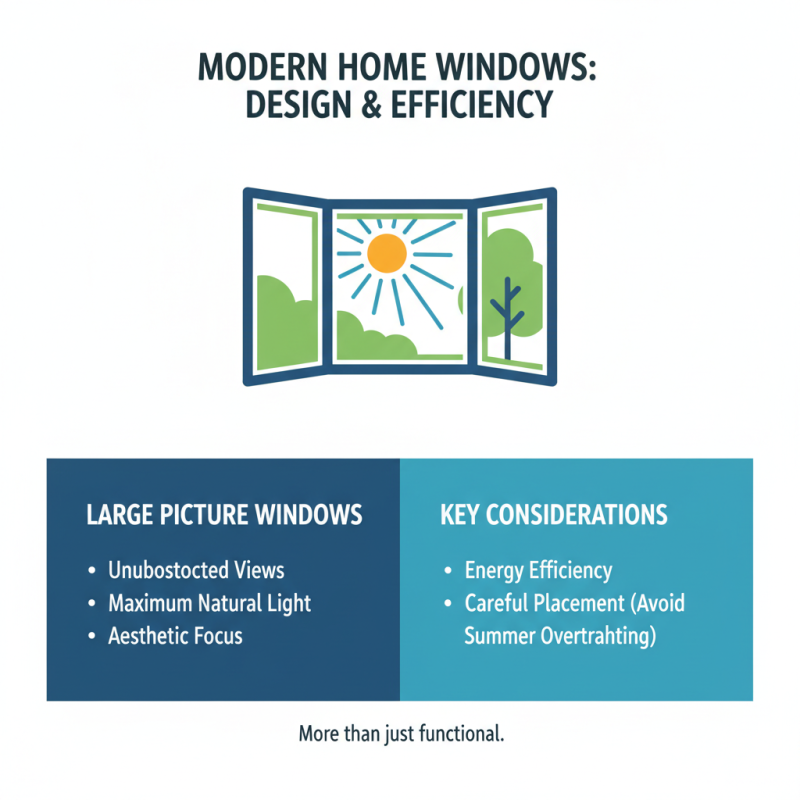
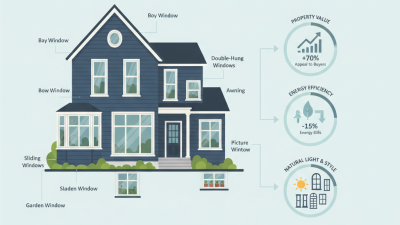
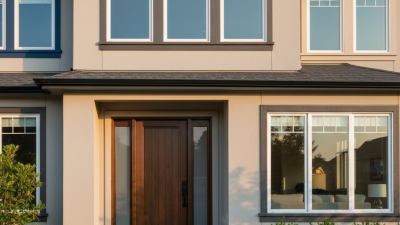
In modern home design, windows are more than just functional elements. They play a crucial role in aesthetics and energy efficiency. One popular window style is the large picture window. This design allows for an unobstructed view of the outdoors. It's perfect for bringing in natural light. However, this style requires careful placement to avoid overheating in summer.
Another option is the casement window. These open outward, providing excellent ventilation. They can be combined with fixed windows for a dynamic look. However, maintaining their hinges and mechanisms can be a challenge for homeowners.
Sliding windows are excellent for saving space. They glide smoothly and can feature wide openings. This style blends well with minimalist designs, yet it might not offer the same ventilation as casement options. Design choices depend on personal needs and environmental conditions. Each style has its pros and cons.
Energy Efficiency Considerations in Window Design
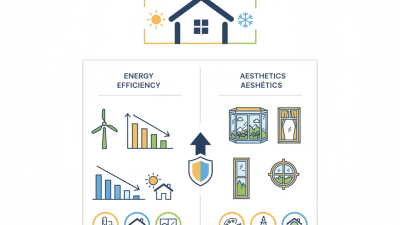
Energy efficiency is crucial in window design. Many homeowners overlook how windows impact energy consumption. Poorly designed windows can lead to significant heat loss during winter. In summer, they may allow excessive heat indoors. This can increase heating and cooling costs. Effective window designs often feature low-emissivity (low-E) glass. This maximizes heat retention in winter and minimizes it in summer.
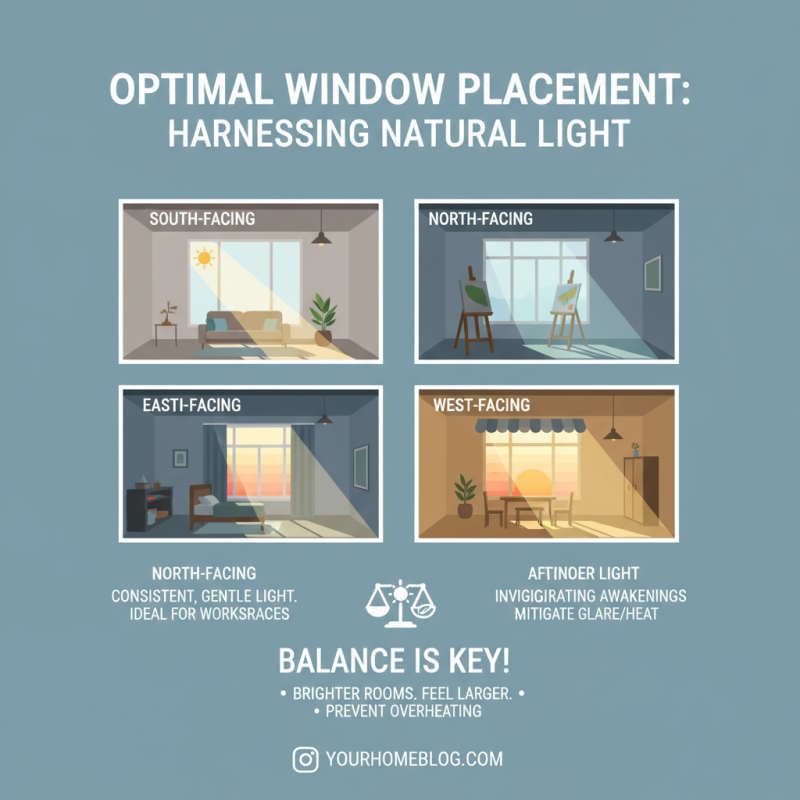
Another consideration is window placement. South-facing windows capture sunlight well. They can warm indoor spaces naturally during colder months. However, too much sunlight can cause overheating. Proper shading techniques, like awnings or trees, can mitigate this issue. Homeowners need to think critically about these factors. Each design decision affects overall energy efficiency.
Lastly, window frames matter too. Energy-efficient frames made of materials like fiberglass can outperform standard vinyl options. While they might be more costly upfront, the long-term savings on energy bills can be significant. Every choice shouldn't just be about aesthetics. It’s about making a smart investment for comfort and sustainability.
Enhancing Curb Appeal with Creative Window Designs
Windows are more than functional aspects of a home. They play a vital role in curb appeal. Creative window designs can transform a property's exterior. According to a recent study, homes with unique window styles sell 10% faster than others. Homeowners recognize that distinct windows catch the eye.
Consider arched or bay windows. These shapes create depth and interest. They allow more natural light into rooms, enhancing the overall ambiance. However, choices come with challenges. Not all window layouts fit every style. A mismatch can detract from a home’s aesthetics.
Another popular trend is mixed materials. Combining wood and metal can add character. Yet, maintenance varies. Wood needs careful upkeep. Metal can withstand elements better. Homeowners should weigh options based on their local climate. Having windows that reflect personal style is crucial. But one must also consider practicality. Balancing beauty and function can be tricky.
What is the Best Home with Windows Designs? - Enhancing Curb Appeal with Creative Window Designs
| Design Style |
Window Shape |
Materials Used |
Benefits |
Average Cost |
| Modern |
Rectangular |
Aluminum |
Sleek design, low maintenance |
$300 - $700 per window |
| Traditional |
Arched |
Wood |
Classic look, natural insulation |
$500 - $1000 per window |
| Contemporary |
Casement |
Vinyl |
Energy efficient, easy to operate |
$400 - $900 per window |
| Rustic |
Square |
Composite |
Warmth and charm, durable |
$600 - $1200 per window |
| Industrial |
Geometric |
Steel |
Sturdy, unique aesthetic |
$700 - $1500 per window |