2026 Best Residential Windows for Energy Efficiency and Style?
In the quest for energy efficiency and aesthetic appeal, selecting the best residential windows plays a crucial role. According to the U.S. Department of Energy, well-insulated windows can reduce energy bills by 12% to 33%. This statistic highlights the importance of choosing windows that not only look good but also perform efficiently. The right residential windows can significantly enhance a home’s overall energy performance while contributing to a stylish facade.
The American Council for an Energy-Efficient Economy emphasizes that energy-efficient windows can prevent heat loss in winter and reduce heat gain in summer. Poor choices can lead to increased energy costs and discomfort. Many homeowners often overlook the long-term benefits of investing in quality residential windows. When selecting windows, factors like insulation, frame materials, and glass coatings must be considered. Research indicates that low-emissivity (Low-E) glass can improve window efficiency by up to 40%.
However, not all brands offer the same level of performance. Homeowners may face challenges in identifying the best options amidst a sea of products. It’s vital to weigh both the aesthetic and functional attributes of residential windows. Making informed decisions may not only improve energy efficiency but also increase property value. This balance is key in the selection process.
Overview of Energy-Efficient Window Technologies for 2026
In 2026, the push for energy-efficient windows is stronger than ever. New technologies focus on maximizing thermal performance while enhancing aesthetics.
Triple-glazed windows are becoming popular. They offer exceptional insulation for homes in various climates. Additionally, coatings that reflect heat can aid in energy conservation.
Tips: Consider windows that match your home's architecture. This ensures they blend well with the overall style. Proper installation is crucial to maintaining energy efficiency.
Poor installation can lead to drafts and energy loss.
Advanced materials, like fiberglass and vinyl, have improved durability and insulation properties. These materials often outperform traditional wood and aluminum options. Homeowners should carefully consider their choices to balance cost and efficiency.
Reflect on the long-term savings versus initial investment. Finding a window that fits your style and energy goals can be challenging but rewarding. Aesthetic choices shouldn't sacrifice energy efficiency.
Key Style Trends in Residential Windows for 2026
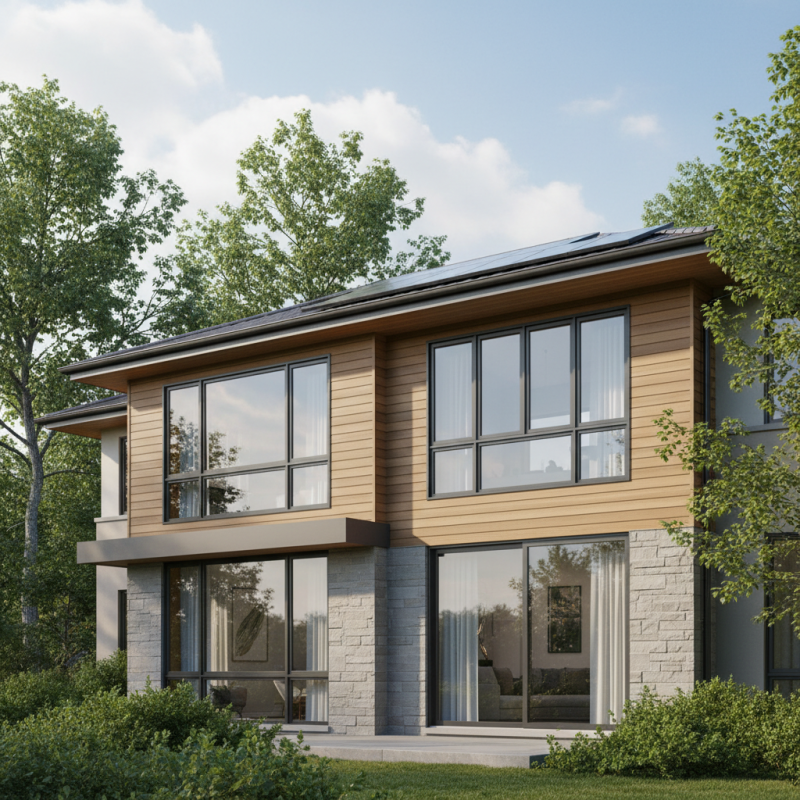
As we look ahead to 2026, the residential window design landscape is evolving. Homeowners increasingly desire windows that merge style with energy efficiency. One emerging trend is the focus on larger windows. These allow more natural light, creating bright, open spaces. However, homeowners should reflect on potential energy loss with large openings. Proper insulation and coatings become crucial.
Another key style trend is the shift towards minimalistic frames. Sleeker, narrower profiles maximize glass area and enhance views. This modern aesthetic pairs well with various architectural styles. Yet, while slim frames are appealing, they may limit durability. Choosing quality materials is essential for longevity.
When updating your windows, consider performance ratings. Look for Energy Star labels and U-value ratings that indicate insulation effectiveness. Always assess installation quality, as even the best windows can underperform if not properly installed. Balancing style and function will ensure your windows contribute to a sustainable future while enhancing your home’s beauty.
Comparative Analysis of Material Options for Energy Efficiency
When considering residential windows for energy efficiency, various materials offer distinct advantages. Vinyl frames, for instance, provide excellent insulation and affordability. According to the U.S. Department of Energy, homes with high-quality vinyl windows can save up to 30% on energy bills. However, durability might be a concern. Over time, exposure to UV light can cause fading and weakness.
Wood frames are another popular option for their natural aesthetic appeal. They offer great insulation properties and help maintain indoor temperatures. A study released by the National Renewable Energy Laboratory indicates that wood windows can outperform vinyl in thermal performance over the years. Yet, they require regular maintenance to prevent rot and pest damage.
Tips: Consider investing in double or triple-glazed windows. They significantly reduce noise and enhance insulation. Also, check for Energy Star ratings. Windows with this certification meet high efficiency standards. Keep in mind that while energy-efficient windows may cost more upfront, they bring substantial savings in the long run. Explore the balance between aesthetics and performance when making your choice.
2026 Best Residential Windows for Energy Efficiency and Style
Factors Influencing Energy Efficiency Ratings in Residential Windows
When selecting residential windows, energy efficiency plays a crucial role. Several factors can influence energy efficiency ratings in windows.
Frame material is one important consideration. Common materials include vinyl, wood, and fiberglass. Each has its pros and cons when it comes to insulation and durability.
Another key factor is the type of glass used. Double or triple glazing significantly improves insulation by trapping air between layers.
Low-emissivity (Low-E) glass films can reflect heat while allowing light to enter. This feature enhances energy efficiency without compromising natural brightness.
Moreover, window design affects overall performance. Proper sealing and installation can prevent air leaks.
Gaps can lead to energy loss. Location and orientation of the windows also matter.
Windows that face south receive more sunlight, potentially reducing heating costs in winter. However, excessive heat gain in summer could increase cooling expenses.
Balancing these elements can be challenging, and individual needs will vary. Homeowners should consider climate and lifestyle when making choices.
Tips for Selecting Windows that Combine Style and Efficiency
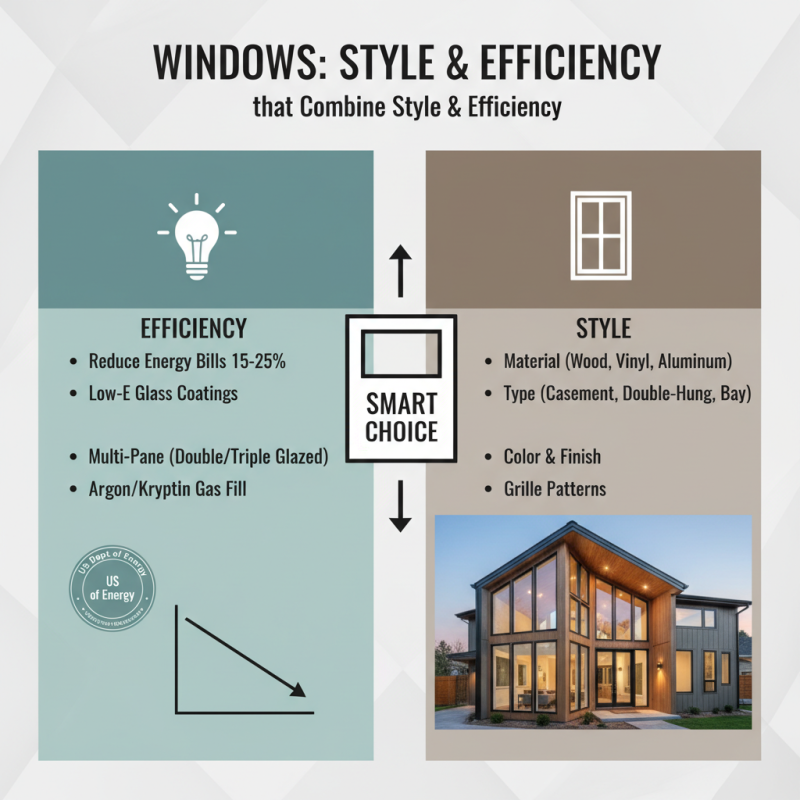
Choosing the right windows can significantly impact your home’s energy efficiency and aesthetic appeal. Energy-efficient windows effectively reduce heating and cooling costs. According to the U.S. Department of Energy, the right windows can lower energy bills by 15-25%. However, selecting windows is not always straightforward.
Look for windows with a high Energy Star rating. These windows have been proven to perform well under various climate conditions. Consider the frame material too. Vinyl, wood, and fiberglass each have unique thermal properties. A 2019 study revealed that over 30% of heat loss occurs through inefficient windows. However, even stylish designs can have excellent efficiency ratings.
Pay attention to the glass type used. Double or triple-paned glass traps more air or gas, enhancing insulation. Low-emissivity (low-e) coatings are another option. They reduce UV exposure, protecting your interiors from fading. Balancing style and efficiency remains a challenge. Consumers often prioritize aesthetics, sometimes overlooking crucial performance data. Reflect on your needs to avoid this common pitfall.