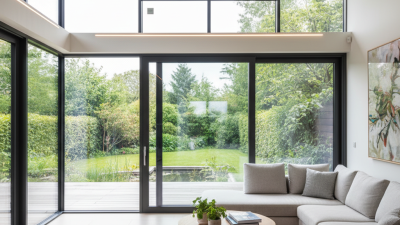
What Are Bow Windows and How Do They Enhance Your Home Design
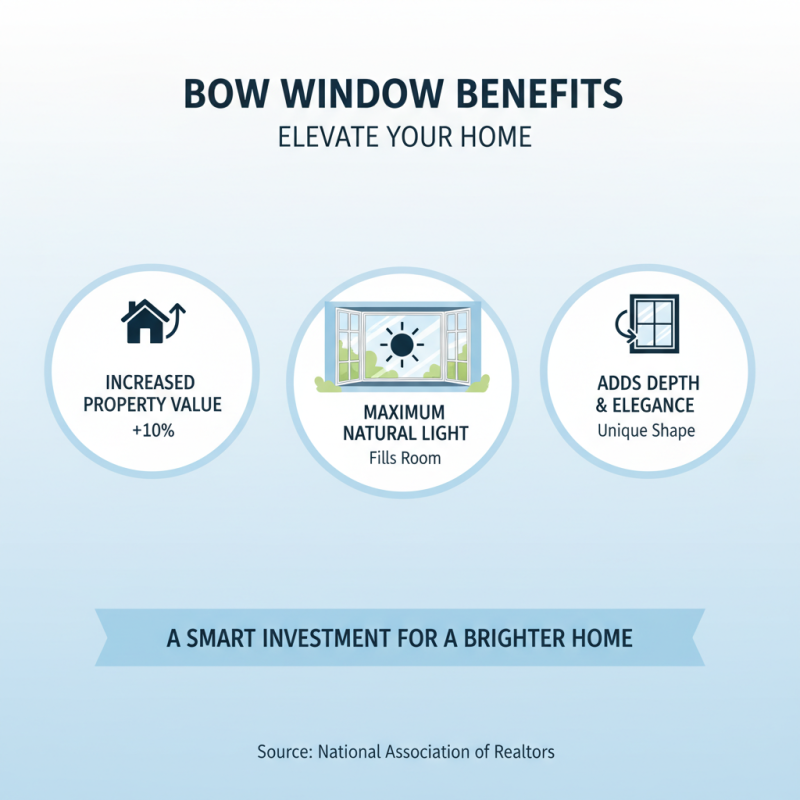
Bow windows are a captivating architectural feature that can truly transform a home. These structures, characterized by their curved design, create a more spacious and inviting ambiance. A recent survey indicates that homes with bow windows can see an increase in value by up to 10%, making them a valuable addition for homeowners looking to enhance their property. They allow natural light to flood in, brightening up spaces and creating warmth.
Creating a visual connection with the outdoors is another key advantage of bow windows. They offer panoramic views and their gentle curves can soften the lines of a traditional building. However, it's essential to consider the installation complexity. Homeowners should weigh the benefits against potential installation costs and maintenance needs. Not every home design is suitable for these windows.
When thoughtfully incorporated, bow windows elevate both aesthetic appeal and functionality. Their unique shape encourages creativity in interior design. Still, it’s important to reflect on what fits your personal style and space needs. Ultimately, bow windows blend beauty with practicality, enhancing both living experience and home value.
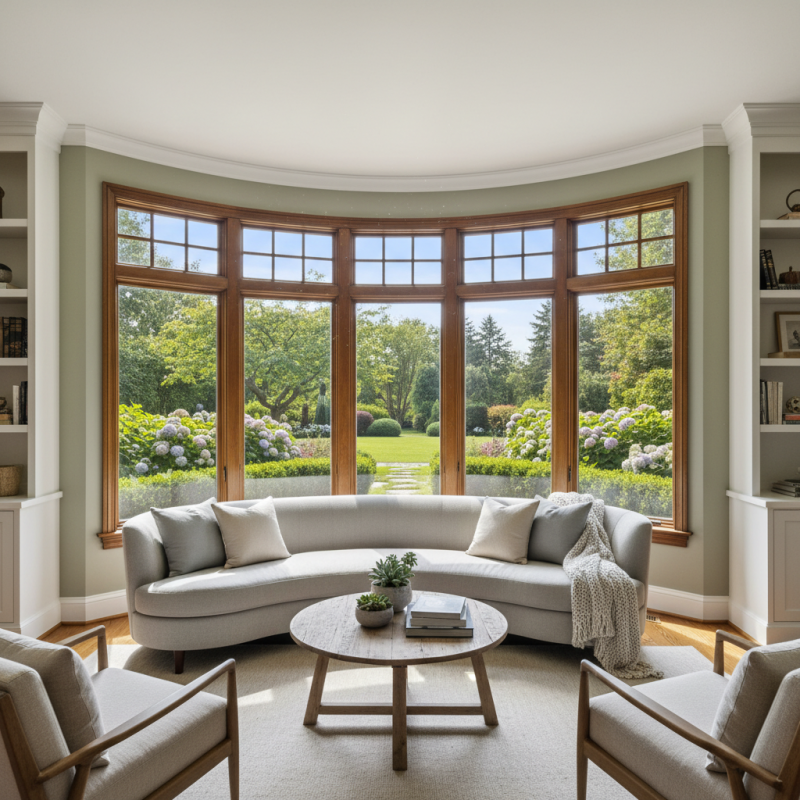
What Are Bow Windows? A Comprehensive Overview
Bow windows are unique architectural features that add charm to any home. They consist of several panels, creating a curved extension that provides a panoramic view. This design allows natural light to flood the interior, giving a brighter, airier feel to the space. The curves of bow windows also soften the overall aesthetics of a room, making it visually appealing.
Adding bow windows to your home can enhance its overall design. They work well in breakfast nooks, living rooms, or even bedrooms. These windows invite the outside in, connecting you to nature. Think about how the changing seasons can transform your view, from blooming flowers to falling leaves.
**Tip:** When installing bow windows, consider the placement carefully. Positioning them in sunny areas maximizes light without overheating the space. Also, ensure proper insulation is used. Good insulation keeps your home energy-efficient year-round.
However, it's essential to reflect on your home’s style. Bow windows may not suit more traditional designs or very modern homes. They can appear out of place if not coordinated with other architectural elements. Be mindful of this while planning your home design.
What Are Bow Windows and How They Enhance Your Home Design
| Feature |
Description |
Benefits |
Design Styles |
| Shape |
A bow window consists of several windows joined together in a curved shape. |
Creates additional space and provides a panoramic view. |
Traditional, Victorian, Modern |
| Materials |
Commonly made from wood, vinyl, or fiberglass. |
Durability and insulation properties vary by material. |
Rustic, Contemporary |
| Natural Light |
Bow windows allow more natural light into a room compared to standard windows. |
Enhances ambiance and makes spaces feel larger. |
Modern Farmhouse, Cottage |
| Functionality |
Can incorporate seats or shelving in the alcoves created. |
Offers additional seating and decorative space. |
Transitional, Industrial |
| Energy Efficiency |
Modern bow windows can be fitted with energy-efficient glass. |
Reduces heating and cooling costs. |
Eco-Friendly Designs |
Historical Evolution of Bow Windows in Architectural Design
Bow windows have a rich history in architectural design. Originating in the late Middle Ages, they gained prominence during the Victorian era. These windows are characterized by their curved or polygonal shape, offering a wider view of the outside. They create a cozy nook, adding character to homes. Craftsmanship was vital, as builders sought to blend beauty with functionality.
Over time, bow windows have evolved in style and materials. Initially made of wood, modern variations include vinyl and fiberglass. This shift allows for diverse designs and easier maintenance. The changes reflect architectural trends, balancing tradition and innovation.
Tips: When considering bow windows, think about the room's purpose. A sunny living room benefits from their light-enhancing shape. Installation is key; ensure proper sealing to avoid leaks. Consider mixing styles for a unique look but keep functionality in mind. Sometimes, simplicity works best.
Key Design Elements of Bow Windows and Their Aesthetic Appeal
Bow windows are unique architectural features that can elevate the aesthetic of any home. They extend outward, creating a cozy nook while providing more natural light. The soft curves of bow windows break the rigidity of traditional designs. Their distinct shape invites a sense of openness that flat windows cannot offer. You can place a comfortable seat in them, ideal for reading or enjoying the view.
Incorporating bow windows enhances both the interior and exterior design of your home. Different materials, such as wood or vinyl, can amplify their beauty. Decorative elements, like custom curtains or elegant window seats, complete the look. Yet, the installation process can be tricky. The angles must be precise to achieve that seamless appearance. If done poorly, the windows can look awkward. It's crucial to weigh the labor involved.
The aesthetic appeal of bow windows is undeniable, yet they demand careful consideration. Maintaining their appeal over time is essential. Regular cleaning and upkeep are necessary to prevent deterioration. They can be a captivating focal point or a daunting maintenance challenge. Finding the right balance is key to enjoying the beauty they bring.
Energy Efficiency Benefits of Bow Windows in Modern Homes
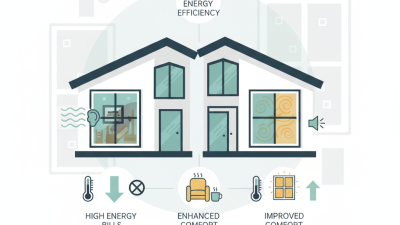
Bow windows can be a stunning addition to any home. They create a curved space that extends outward, providing a unique architectural element. Beyond aesthetics, bow windows contribute significantly to energy efficiency in modern homes. They allow more natural light to flood the interiors, reducing the need for artificial lighting during the day. This can lead to lower electricity bills over time.
The multi-pane design of bow windows can also provide better insulation. Well-constructed windows help maintain comfortable indoor temperatures while minimizing energy loss. However, not all bow windows are equal. Poor installation can lead to drafts, which negate the energy-saving benefits. Homeowners should consider quality materials and skilled installation to truly make the most of their bow windows.
Additionally, the orientation of bow windows plays a crucial role. Depending on their placement, they can capture sunlight in winter and offer shade in summer. This dynamic helps regulate indoor temperatures naturally. It’s important to reflect on how the positioning of these windows affects energy usage throughout the year. A well-planned approach can maximize efficiency while adding beauty to a home.
Energy Efficiency Benefits of Bow Windows
Bow Windows: Installation Costs and Value Addition to Properties
Bow windows are elegant architectural features that can elevate the design of any home. Their unique shape adds depth and dimension to a room. According to a report by the National Association of Realtors, homes with well-designed windows can increase property value by up to 10%. Bow windows, with their multiple small panes, allow for maximum natural light. This can enhance the aesthetic appeal of both the interior and exterior.
Installing bow windows comes with its own costs. Average installation expenses can range from $2,500 to $5,000, depending on the size and material used. Choosing energy-efficient glass can incur higher initial costs but may lead to lower utility bills in the long run. A study from Remodeling Magazine states that homeowners typically recover about 70% of the installation costs when selling their home. However, this benefit varies by region and market trends.
While the appeal is clear, not every property may be suited for bow windows. Factors like architectural style and local climate must be considered. Improper installation can lead to issues, such as leaks and drafts. Homeowners should weigh these aspects carefully before committing to an investment. Sometimes, it’s better to observe and reflect rather than rush into a decision.