What is a Casement Window and How Does It Benefit Your Home?
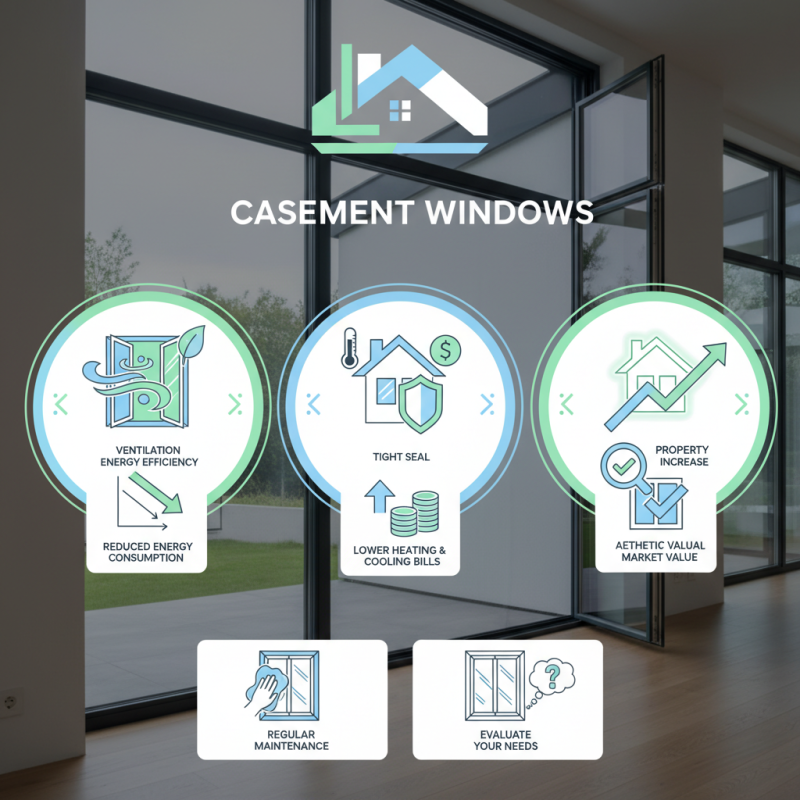
Casement windows are a popular choice among homeowners due to their functional design and aesthetic appeal. According to the American Window and Door Institute, casement windows account for about 20% of all window sales in the United States. This is primarily due to their ability to provide excellent ventilation while enhancing a home’s energy efficiency. With rising energy costs, homeowners are seeking solutions that balance comfort with cost-effectiveness.
The unique hinging system of casement windows allows for maximized airflow, facilitating a fresh and inviting atmosphere indoors. Studies show that homes with well-ventilated spaces can reduce energy consumption by up to 30%. Additionally, their tight seal when closed helps in minimizing air leaks, leading to lower heating and cooling bills. However, it’s important to note that maintaining these windows requires care. Regular checks and proper cleaning are essential to sustain their benefits and prevent mechanical issues.
Experts suggest that choosing casement windows can significantly increase a property's market value. The visual appeal they provide, paired with functional advantages, can attract potential buyers. Nevertheless, it's crucial for homeowners to evaluate their specific needs before installation. Not everyone may appreciate the design, and some may prefer other window styles. Always consider your home’s design and functionality before making a choice.
What is a Casement Window?
Casement windows are a popular choice for homeowners seeking functionality and style.
These windows are hinged on one side and open outward. This design allows for maximum ventilation, which can be beneficial in warmer months. The ability to fully swing open can secure fresh air in your living space, creating a pleasant atmosphere.
One unique feature of casement windows is their tight seal when closed. This helps in maintaining your home's energy efficiency by reducing drafts. However, homeowners should consider the exterior space; these windows require room to open completely. In tighter areas, this may present a challenge.
Moreover, cleaning these windows can be an exercise in patience. Unlike sliding windows, casement windows often need to be cleaned on both sides, especially if they are large. Regular maintenance ensures they operate smoothly and remain aesthetically pleasing.
Despite these minor drawbacks, the benefits of casement windows often overshadow the inconveniences. Their stylish design can elevate the exterior of your home, while also enhancing interior light and air quality.
Historical Development of Casement Windows
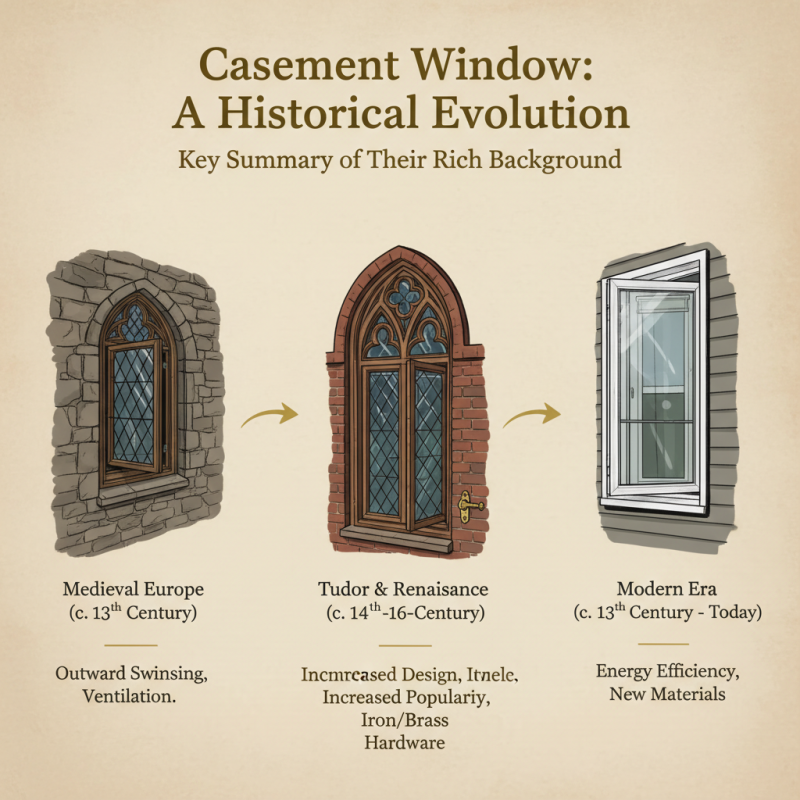
Casement windows have a rich historical background that dates back centuries. Originating in medieval Europe, these windows were designed to swing open outward. Historical records indicate that they became increasingly popular during the Gothic architectural period. This design offered a practical solution for ventilation, which was crucial in a time before mechanical cooling systems.
By the 19th century, the Industrial Revolution brought advancements in glass manufacturing. Larger panes became possible, enhancing the aesthetic appeal of casement windows. As homeowners sought to maximize natural light and ventilation, the demand for these windows increased. According to the American Architectural Foundation, homes equipped with casement windows can receive up to 30% more airflow than traditional double-hung windows.
Tips: Consider the orientation of your home when installing casement windows. A south-facing window can capture more sunlight, improving energy efficiency. Regular maintenance is essential to keep hinges functioning smoothly, ensuring longevity. Be prepared for potential drafts if windows are not properly sealed, which can affect heating and cooling costs.
Key Features and Design Options of Casement Windows
Casement windows are a popular choice for modern homes due to their unique design and functionality. These windows operate with a hinged mechanism, allowing them to open outward, which enhances ventilation. According to the American Architectural Manufacturers Association (AAMA), casement windows can reduce energy costs by up to 15% when installed properly. Their design allows for an unobstructed view and maximum airflow, making these windows highly sought after by homeowners looking to optimize their living space.
In terms of design options, casement windows come in various styles, sizes, and materials, allowing homeowners to match their interior and exterior décor. The most common materials used are vinyl, wood, and aluminum, each offering different benefits and aesthetic styles. For instance, wood frames provide a classic look but require more maintenance. Vinyl windows, on the other hand, are low-maintenance and energy-efficient. However, they might not blend well with traditional architectural styles. The flexibility in design can create a beautiful focal point in any room, but not all options may work effectively in every climate, making proper selection essential.
Another key feature of casement windows is their security. The window opens outwards, making it harder for intruders to access from outside. However, inadequate locking mechanisms can make them vulnerable. According to the National Association of Home Builders (NAHB), over 30% of homeowners consider window security a major factor in their purchase decision. Ultimately, while casement windows offer numerous benefits, careful consideration of their design and placement is crucial to maximize their effectiveness and safety in your home.
What is a Casement Window and How Does It Benefit Your Home?
| Feature |
Description |
| Energy Efficiency |
Casement windows provide a tight seal when closed, reducing air leaks and improving home insulation. |
| Versatility |
Available in various sizes and styles, suitable for different architectural designs. |
| Ease of Use |
Simple crank mechanism allows for easy opening and closing, even in hard-to-reach areas. |
| Enhanced Ventilation |
When opened, they catch breezes and direct airflow into the home, improving indoor air quality. |
| Aesthetic Appeal |
Stylish, modern designs that enhance the visual appeal of both interiors and exteriors. |
Benefits of Using Casement Windows in Your Home
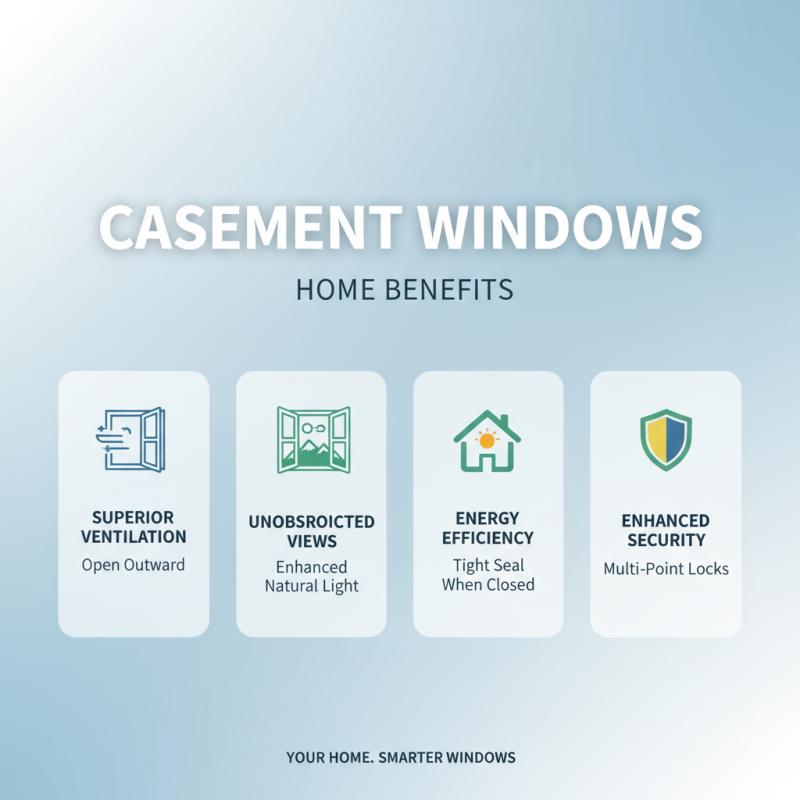
Casement windows are a popular choice for many homeowners. They are hinged at the side and open outward, offering excellent ventilation. Their design allows for unobstructed views of the outside. This feature can enhance natural lighting in your home. In addition, they provide a tight seal when closed, improving energy efficiency.
One of the critical benefits of casement windows is their ease of use. They can be opened fully with a simple crank. This mechanism allows for better airflow, especially in hard-to-reach areas. Many find it easier to clean these windows too. With their smooth operation, you can enjoy fresh air without much effort.
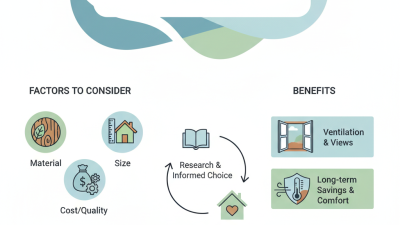
When considering casement windows, think about the materials used. Wood, vinyl, and aluminum are common options. Each material has its pros and cons. Wood offers warmth but requires regular maintenance. Choose a material that fits your lifestyle and home design. Also, consider the placement. Installing casement windows in smaller spaces can create a more open feel.
Tips: Make sure to measure your window openings accurately. This will help reduce issues during installation. Additionally, check for energy-efficient features, which can lead to savings on utility bills. Always prioritize proper sealing to avoid drafts in your living space.
Installation and Maintenance Tips for Casement Windows
Casement windows are a great addition to any home, offering both aesthetic appeal and functionality. However, proper installation and maintenance are crucial for maximizing their benefits. Begin by ensuring that the window frame is level and securely anchored. Use quality sealing materials to prevent drafts and water leaks. If you are not experienced in installation, it may be wise to hire a professional. A small misalignment can lead to issues over time.
Regular maintenance is equally important. Clean the window frames and sashes with a mild detergent to prevent dirt buildup. Lubricate the hinges and check for wear regularly. If the window becomes difficult to open or close, examine the hardware for any signs of corrosion or damage. Keep in mind that even the best windows may require adjustments over time. Small issues, if ignored, can escalate into more significant problems, affecting energy efficiency and indoor comfort.
Benefits of Casement Windows