How to Choose the Best Casement Windows for Your Home?
Choosing the right casement windows for your home is essential. As window expert Jane Doe states, "The perfect casement window enhances both style and functionality." Her insight reflects the importance of making informed choices.
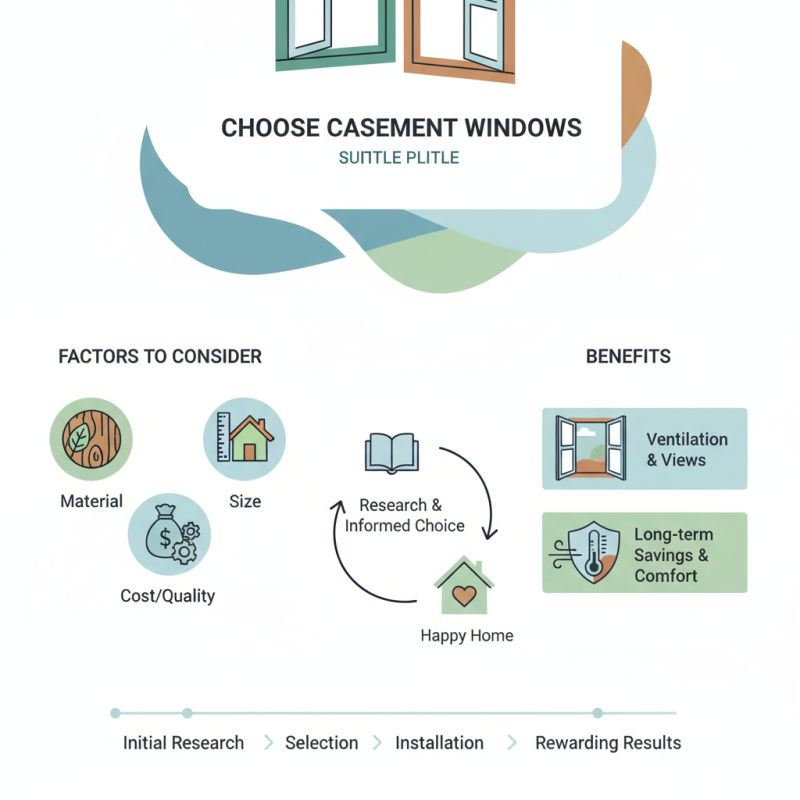
Casement windows are known for their versatility. They offer excellent ventilation while providing unobstructed views. However, selecting the best ones involves considering various factors like material and size. Not all options suit every home or climate.
Sometimes, homeowners overlook practical aspects. Cost is often a concern, yet investing in quality can save money long-term. Installing the wrong type can lead to regret. Research is key. A thoughtful approach helps create a cozy and functional living space. Finding the perfect casement windows may take time, but the results are rewarding.
Understanding Casement Windows: Features and Benefits
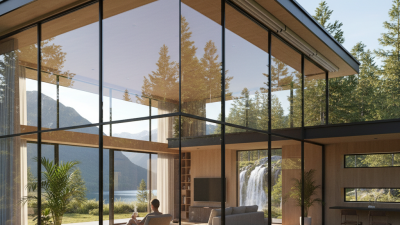
Casement windows are a popular choice for many homeowners. They open outward, providing excellent ventilation. The hinges are usually located on the side, allowing for a full opening. This design makes them easy to operate. Many people appreciate the unobstructed view these windows offer.
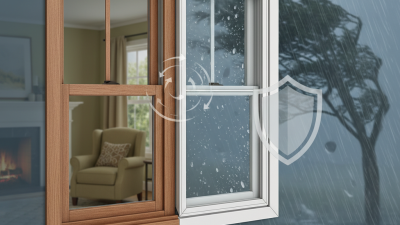
A key advantage is energy efficiency. The closure mechanism creates a tight seal, reducing air leaks. On windy days, they stay secure. However, some can be challenging to clean, especially if installed on higher floors. It's essential to consider that while they are beautiful, they can affect exterior aesthetics.
Installing casement windows can enhance natural light in your home. They come in various sizes and materials, adding to their appeal. Yet, buyers should reflect on maintenance needs. Wood frames may require more upkeep than vinyl ones. It's crucial to balance aesthetics with practicality when making a choice.
How to Choose the Best Casement Windows for Your Home? - Understanding Casement Windows: Features and Benefits
| Feature |
Benefit |
Considerations |
| Energy Efficiency |
Helps reduce heating and cooling costs |
Ensure proper installation for maximum efficiency |
| Ventilation |
Easily opens for maximum airflow |
Consider placement to optimize airflow |
| Aesthetic Appeal |
Enhances the overall look of your home |
Choose colors and finishes that match home style |
| Durability |
Lasts longer than many other window types |
Opt for high-quality materials for longevity |
| Ease of Use |
Simple crank operation |
Check for easy access for operation |
| Security |
Offers good resistance against forced entry |
Look for multi-point locking systems |
Types of Casement Windows: Styles and Materials
When choosing casement windows, styles and materials greatly impact your decision. Casement windows open outward, offering superior ventilation. They are perfect for hard-to-reach areas. Industry reports suggest these windows can improve energy efficiency by up to 20% compared to traditional double-hung windows.
There are various styles to choose from, including modern, traditional, and custom designs. Each style provides a unique aesthetic appeal. Typically, casement windows are framed with wood, vinyl, or aluminum. Wood provides warmth and charm but needs regular maintenance. Vinyl is low-maintenance and energy-efficient, while aluminum offers durability.
Tip: Consider the window’s orientation. South-facing windows may benefit from additional insulation.
When selecting materials, think about climate and maintenance needs. A heavy-duty material might be necessary for areas with severe weather. Many homeowners overlook the window frame's performance ratings, which can vary significantly between styles.
Tip: Check for air leakage ratings to ensure energy efficiency.
While each style and material has advantages, flaws exist. Vinyl can degrade under extreme heat, while wood may warp in humidity. It's essential to weigh these factors in your selection process.
Energy Efficiency in Casement Windows: What to Look For
When selecting casement windows, energy efficiency should be your priority. Look for windows with double or triple glazing, which provide better insulation. This helps keep your home warm in winter and cool in summer. Consider the frame material too. Wood may look nice but requires more maintenance. Vinyl or fiberglass options offer durability and low upkeep.
Check the U-factor and Solar Heat Gain Coefficient (SHGC) ratings. These numbers indicate how well the windows insulate and how much heat they let in. Higher ratings suggest better energy performance. Many people overlook these details. They assume aesthetics matter more than energy waste.
Another aspect to consider is proper installation. Even the best windows can fail if not installed correctly. Gaps and drafts can lead to energy loss. Regularly inspect seals and weatherstripping for wear. These simple checks can keep your windows performing well for years. It's easy to neglect, but doing so can lead to higher energy bills over time.
Key Factors to Consider When Choosing Casement Windows
Choosing the right casement windows is crucial for any homeowner. Key factors play a significant role in this decision-making process. One of the most important aspects is energy efficiency. According to the U.S. Department of Energy, windows account for 25% to 30% of residential heating and cooling energy use. Selecting high-performance casement windows can reduce energy bills by up to 15%.
Another factor is ventilation. Casement windows open outward, allowing for better airflow than many other window types. In areas where fresh air is essential, this style proves beneficial. However, homeowners often overlook the importance of window placement for optimal ventilation. Poorly placed windows can result in limited airflow and wasted energy.
Durability and maintenance should also be considered. Casement windows are often made from materials such as vinyl, wood, or fiberglass. Each material has its pros and cons. For instance, while wooden frames require more upkeep, they provide a classic aesthetic. On the other hand, vinyl frames offer low maintenance but can be less stylish. Finding a balance between appearance and durability is essential yet challenging.
Key Factors to Consider When Choosing Casement Windows
Installation and Maintenance Tips for Casement Windows
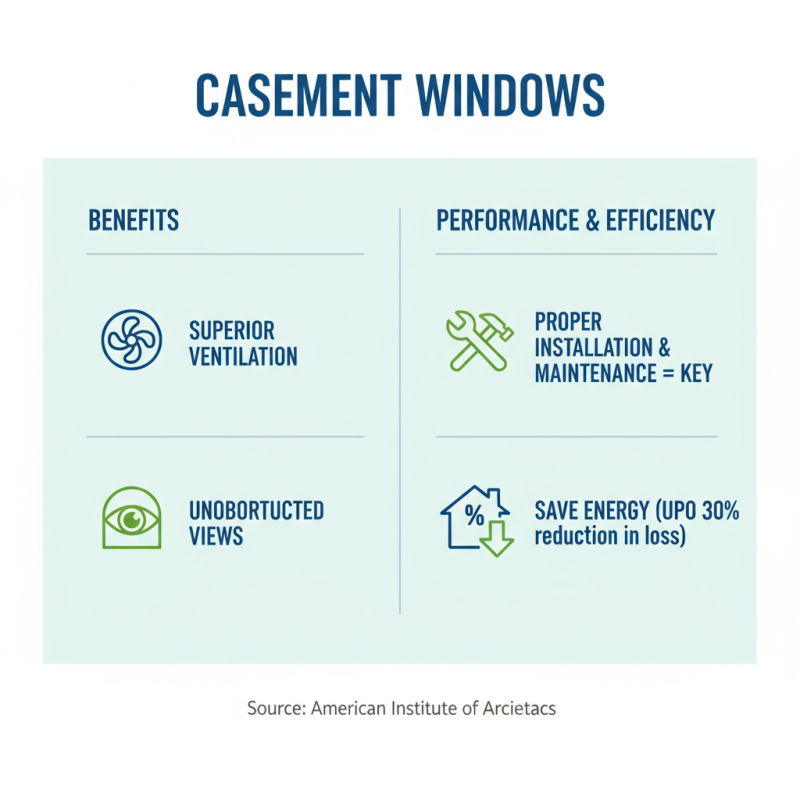
Casement windows provide excellent ventilation and unobstructed views. However, proper installation and maintenance are crucial to their performance. According to the American Institute of Architects, about 30% of energy loss in homes comes from windows. Therefore, ensuring they are installed correctly can improve energy efficiency significantly.
During installation, check for proper fitting in the frame. Gaps can lead to air leaks and higher energy bills. It’s essential to use quality seals. Results from the Energy Information Administration highlight that leaky windows can increase heating costs by 10% to 20%. Always pay attention to the hinge placement to allow full opening. This maximizes airflow.
Regular maintenance is vital. Inspect the hardware and lubrication regularly. Experts recommend cleaning the tracks twice a year to prevent debris buildup. However, many homeowners overlook this. Ignoring it can lead to difficulties when opening and closing. Additionally, weather stripping should be replaced every few years. This simple step helps keep out drafts and moisture. To ensure longevity, consider early signs of wear and tear before they escalate.