Why Choose Solar Panels for Your Sustainable Energy Needs?
In today’s rapidly changing energy landscape, solar panels have emerged as a beacon of sustainability. Renowned expert Dr. Emily Larson, a leading figure in renewable energy, states, "Investing in solar panels not only reduces your carbon footprint but also empowers communities." This highlights the transformative power of solar technology.
Solar panels harness the sun's energy, offering a clean alternative to fossil fuels. Their installation leads to lower utility bills and increased energy independence. Many homeowners face challenges in adopting solar energy, such as initial costs and installation logistics. However, the long-term benefits often outweigh these hurdles.
As communities increasingly consider solar panels, the push for sustainable energy grows. More cities are implementing solar initiatives. Yet, some remain skeptical about the practicality and efficiency of solar energy. It is crucial to address these concerns with data and success stories. Solar panels stand as more than just a power source; they represent a shift towards a sustainable future.
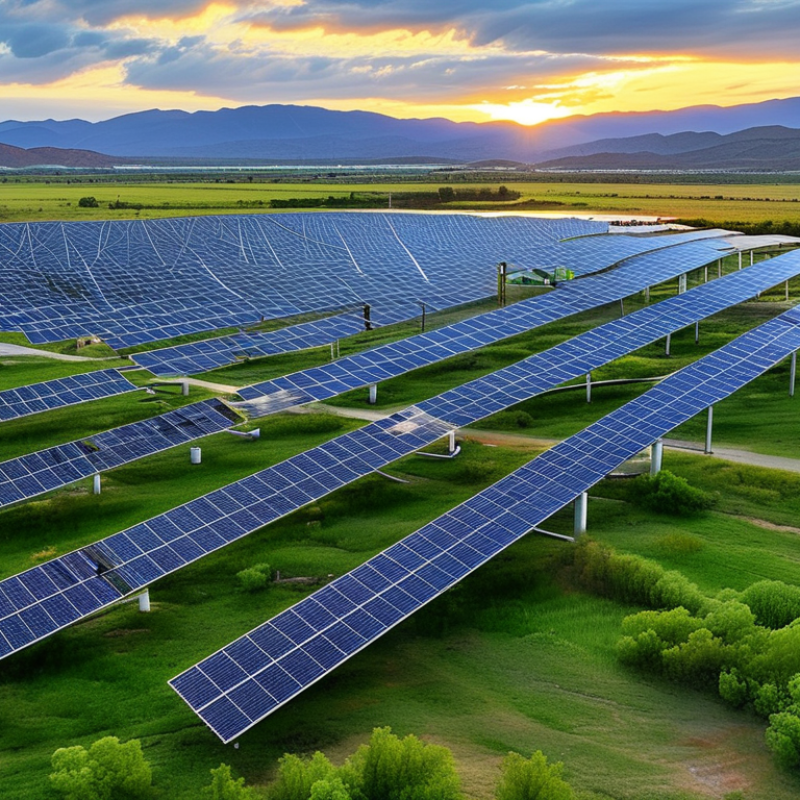
Benefits of Solar Panels in Reducing Carbon Footprint and Emissions
Solar panels are increasingly recognized for their role in sustainable energy. They harness sunlight to generate electricity, significantly reducing our reliance on fossil fuels. This shift is essential for combating climate change.
Using solar energy can lower carbon emissions dramatically. According to studies, solar panels can cut household emissions by over 80%. This is a concrete step toward a sustainable lifestyle. Yet, many people still hesitate. Initial costs may deter some. Education on long-term savings is crucial.
Notably, transitioning to solar does come with challenges. Maintenance is one consideration. Panels need regular cleaning and occasional repairs. Understanding local regulations also matters. Each region varies in incentives and requirements. Embracing solar power involves thoughtful deliberation, but the potential for a reduced carbon footprint is compelling.
Cost Analysis: Long-term Savings vs. Initial Investment in Solar Energy
The initial investment in solar panels can seem daunting. Typically, residential solar installations range from $15,000 to $25,000. This figure depends on system size and local incentives. However, long-term savings can justify this upfront cost. According to the U.S. Department of Energy, homeowners can save over $30,000 over 20 years. These savings stem from reduced electricity bills and potential tax credits.
Yet, it's essential to assess both energy needs and local energy costs. Some areas have high electricity rates, making solar more attractive. Conversely, regions with low rates may yield slower returns. Furthermore, maintenance costs should not be overlooked. They usually account for 1% of the system cost annually. Balancing these factors can guide effective decision-making.
Moreover, energy efficiency measures should complement solar installation. The inefficient usage of energy can diminish the benefits of solar. It's crucial to analyze energy consumption habits before going solar. Adopting an integrated approach can enhance financial outcomes. When such considerations align, the case for solar becomes even more compelling.
Technological Advancements: Increasing Efficiency of Solar Panel Systems
Technological advancements in solar panels have significantly improved efficiency. Recent reports indicate that the average solar panel efficiency reached 20.4% in 2023. This is a substantial increase from just over 15% a decade ago. Such improvements mean homeowners can generate more energy from less space. This trend reflects ongoing innovations in photovoltaic technology.
The potential for energy savings is growing. Studies show that high-efficiency panels can reduce energy bills by up to 30%. These panels convert more sunlight into electricity. This is crucial for urban areas where rooftop space is limited. However, not every solar installation can capitalize on these advancements. Some older systems may lag in performance and not yield the best results.
Moreover, while advancements bring positive impacts, they come with challenges. The initial investment remains a barrier for many potential users. Despite subsidies and tax credits, the upfront cost can be daunting. It’s vital to engage with local experts to evaluate potential returns. Investing in advanced solar technology may require careful consideration.
Government Incentives and Policies Supporting Solar Energy Adoption
Government incentives play a crucial role in promoting solar energy adoption. Many countries offer tax credits to homeowners who install solar panels. These credits can significantly reduce upfront costs, making solar energy more accessible. For example, some programs offer rebates based on the system size. This not only encourages individuals but also small businesses to transition to renewable energy.
Many local governments also support solar initiatives. Some provide grants for solar energy projects in low-income areas. This helps ensure that disadvantaged communities can access green energy solutions. However, the application process for these incentives can be complicated. Potential users may feel overwhelmed by the paperwork and eligibility criteria.
Additionally, policies may vary from one region to another. This inconsistency can create confusion among potential adopters. Understanding local regulations requires time and effort. As more people engage with these resources, clearer guidelines may emerge over time. It's essential for policymakers to streamline processes for solar adoption to truly support sustainability goals.
Impact of Solar Energy on Energy Independence and Grid Resilience
The integration of solar energy plays a crucial role in enhancing energy independence and grid resilience. According to the U.S. Department of Energy, distributed solar power can significantly reduce reliance on centralized energy sources. In fact, areas with high solar adoption have reported up to a 20% decrease in grid reliance during peak hours. This decentralization fosters a more resilient energy grid that can better withstand fluctuations and severe weather events.
As more households and businesses opt for solar panels, energy generation becomes localized. This shift minimizes vulnerability to large-scale outages. A report by the National Renewable Energy Laboratory (NREL) indicated that solar energy adoption can lead to a 30% reduction in grid failure incidents. Nevertheless, challenges remain. Inconsistent sunlight availability and storage solutions can pose hurdles to achieving full independence.
Moreover, community solar projects are emerging as powerful tools for inclusivity. They allow individuals without space for personal installations to benefit. Data shows that community solar can boost local economies by creating jobs and reducing energy costs. However, ensuring equitable access remains an ongoing concern. Strides must be made to include all demographics in these developments to enhance the overall impact of solar energy on community resilience.
Impact of Solar Energy on Energy Independence and Grid Resilience
This chart showcases the significant impacts of solar energy on energy independence, carbon emissions reduction, resilience against power outages, and job creation. Each factor is rated based on its perceived impact level, illustrating the role of solar energy in fostering a sustainable energy future.