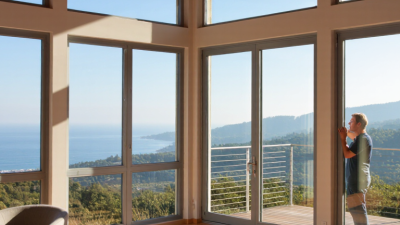
How to Choose a Sliding Door With Windows?

Choosing a sliding door with windows involves more than matching a frame to your floor plan. It affects daylight, ventilation, security, comfort, and long-term energy costs. The U.S. Department of Energy reports that windows can represent about 25% to 30% of residential heating and cooling energy use. That figure makes glass selection important, especially beside a bright patio or west-facing room.

A practical decision starts with performance labels. The National Fenestration Rating Council evaluates U-factor, solar heat gain coefficient, visible transmittance, and air leakage. A lower U-factor generally indicates better insulation, while SHGC should match your climate and sun exposure. ENERGY STAR also uses climate-specific window and door requirements, so one specification cannot suit every home. In a hot region, low solar gain may reduce afternoon heat. In a cold region, stronger insulation may matter more. Small details matter.

Then examine real operation. The panel should glide smoothly without scraping, wobbling, or requiring force. Check the lock, roller system, weather seals, drainage holes, and threshold height. Tempered or laminated safety glass can improve protection, but product quality still varies. A larger glass area brings more light, yet it may increase heat, glare, cleaning work, and privacy concerns. There is no perfect choice. A beautiful door can perform poorly if its installation is careless. This guide will compare glass types, frame materials, energy ratings, security features, accessibility, and installation conditions, using manufacturer specifications and recognized industry guidance rather than attractive photographs alone.
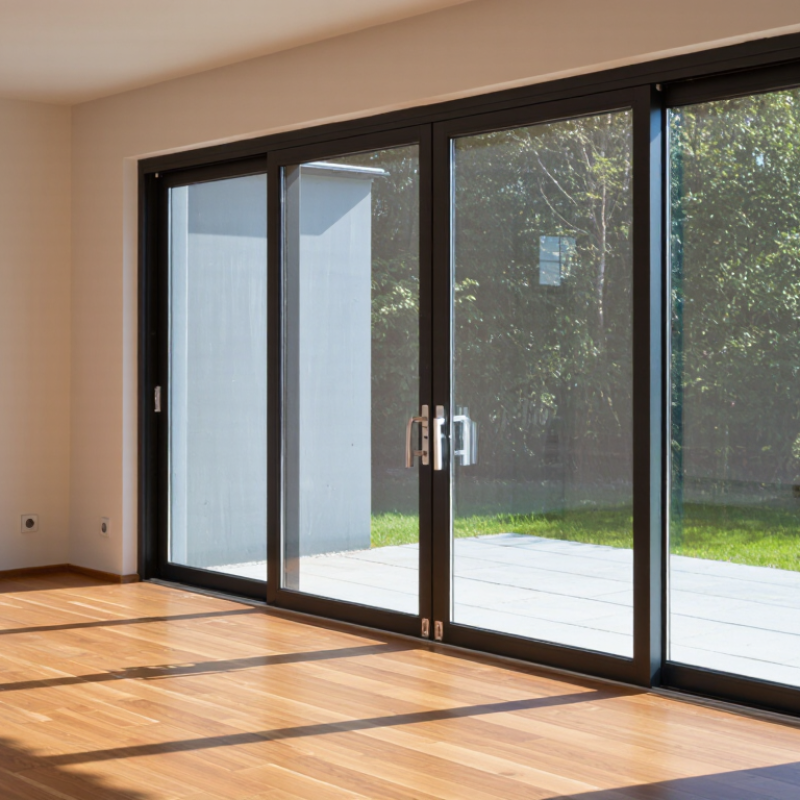
How to Choose a Sliding Door With Windows?

Define Your Sliding Door’s Size, Location, and Functional Requirements

Before choosing a sliding door with windows, measure the opening carefully. Record the finished width, height, wall thickness, and available clearance. Include the frame, track, handle, and any interior trim in your measurements. A door that looks suitable online may not fit the actual opening. My first layout was too optimistic, and I underestimated the space needed beside the moving panel.

Location affects both comfort and performance. A south-facing opening may need solar-control glass, while a shaded wall may benefit from larger windows. Check nearby furniture, radiators, steps, and exterior paths before selecting the sliding direction. Leave enough room for people to pass safely. Also inspect the wall structure, because a wide glazed door can require stronger support above the opening. Local building requirements should be confirmed by a qualified installer or surveyor.

Tips: Write down your daily needs before comparing designs. Do you want ventilation, easy cleaning, child safety, or better daylight? Choose glass and locking features that match those priorities. Check the track height if someone in the home has limited mobility. Ask how the door performs during heavy rain and strong wind. Small details matter. For reliability, request written specifications, installation limits, and maintenance guidance. Avoid choosing only by appearance; a beautiful door can still feel awkward when its opening direction, size, or handle position conflicts with everyday use.

Compare Window Styles, Glass Types, and Natural Light Options

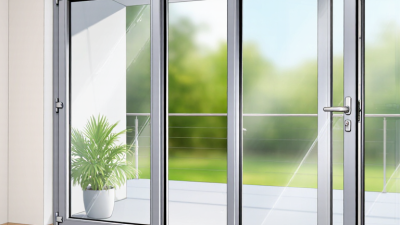
When choosing a sliding door with windows, compare the opening, not just the frame. A two-panel door offers a clean view and needs less wall space. Four-panel layouts create a wider daylight zone. Fixed sidelites add brightness, but they reduce privacy. In one renovation, strong morning glare made an attractive glass wall uncomfortable. More glass is not always better.

Glass performance matters as much as window style. The U.S. Department of Energy reports that windows can cause 25–30% of residential heating and cooling energy use. Low-emissivity double glazing can reduce heat transfer, while triple glazing may suit colder climates. Check U-factor and solar heat gain coefficient ratings. The National Fenestration Rating Council explains that lower U-factor means better insulation. A lower SHGC can limit unwanted summer heat. Climate changes the right choice.

Daylight & Comfort Natural light also depends on direction, glass tint, and visible transmittance. Clear glass usually brings the brightest daylight. Tinted glass cuts glare, but it can make interiors look dull. Frosted sections protect privacy near bathrooms or neighboring homes. North-facing doors often need higher light transmission. South- and west-facing doors may benefit from shading. Use curtains or exterior overhangs, too. A daylight simulation from the Illuminating Engineering Society can reveal harsh afternoon brightness before installation. Measurements are easy to overlook. They should not be.

Evaluate Energy Efficiency, Weather Resistance, and Security Features

How to Choose a Sliding Door With Windows?

Energy efficiency should guide your choice, not just the glass area. Check the U-factor, which shows how quickly heat moves through the door. Lower values usually mean better insulation. The solar heat gain coefficient also matters in sunny rooms. A low rating can reduce summer heat, but it may limit useful winter warmth. Look for double glazing, warm-edge spacers, and insulated frames. These details often matter more than decorative glass.

Weather resistance protects comfort and the structure around the opening. Examine the bottom track carefully. It should drain water without trapping leaves or dirt. Compression seals should meet evenly when the panel closes. Ask for air, water, and structural performance ratings, rather than trusting appearance alone. A small hose test may reveal leaks, although it cannot replace certified testing. Installation remains critical. Even a well-rated door can fail when the sill is poorly flashed.

Security requires more than a strong lock. Choose laminated or tempered safety glass, a substantial frame, and a lock that engages firmly. Anti-lift blocks can help prevent the panel from being lifted from its track. Test the handle yourself. It should feel solid, not loose or springy. I would also inspect the locking points after several openings. That step is easy to overlook. No feature guarantees complete protection, and oversized glass can complicate repairs. Measure carefully, compare documented ratings, and accept that the most attractive option may not be the most dependable.

Select Suitable Frame Materials, Hardware, and Opening Configurations

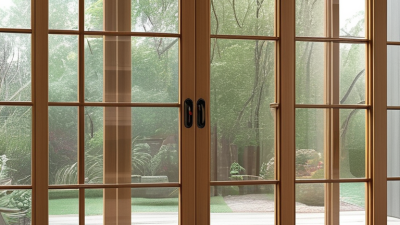
Choosing a sliding door with windows starts with the frame. Vinyl frames resist moisture and need little maintenance, while aluminum offers slimmer sightlines and greater structural strength. Wood provides warmth, but it demands regular sealing, especially near wet or coastal areas.

The U.S. Department of Energy reports that windows can account for 25–30% of residential heating and cooling energy use. Therefore, compare U-factor and solar heat gain coefficient values on certified performance labels, not just appearance.

Hardware determines daily comfort. Select corrosion-resistant rollers, adjustable trucks, and a multi-point lock for large or frequently used panels. Test the door in person. It should glide without scraping, bouncing, or excessive force. Wider panels may require reinforced rollers and a stronger track. Small details matter.

Opening configuration should match the room and traffic pattern. A two-panel slider saves interior space, while a three-panel system can create a wider opening. Stacking panels need a deeper wall pocket and careful weather sealing. Fixed glass beside one moving panel often improves daylight and stability.

According to the National Fenestration Rating Council, certified ratings help compare products under consistent testing conditions. Still, ratings cannot predict every installation problem. A high-performing door can leak if the sill drainage is poorly fitted.

I have learned that the cheapest configuration is rarely the simplest after installation. Measure furniture clearance, threshold height, and exterior drainage before ordering.

Review Installation Needs, Maintenance Requirements, and Long-Term Value

Choosing a sliding door with windows starts with installation realities, not appearance. Measure the rough opening, wall depth, floor level, and drainage path. Measure twice. A heavy glass panel needs solid support and precise alignment. If the sill is uneven, rollers may wear quickly and the lock can resist closing. My own mistake was trusting an old threshold measurement. It added hours to installation.

Maintenance affects long-term value. Choose sealed insulating glass, durable rollers, replaceable weather-stripping, and accessible drainage channels. Water finds gaps. Clean the tracks every few months with a vacuum and damp cloth. Avoid forcing a stiff panel; it may hide frame movement or damaged hardware. The U.S. Department of Energy estimates that windows cause 25–30% of residential heating and cooling energy use. Therefore, compare the U-factor and solar heat gain coefficient on the National Fenestration Rating Council label, not only the advertised glass thickness.

Long-term value also depends on climate and daily use. A lower U-factor can reduce heat transfer, while an appropriate solar heat gain coefficient can limit summer overheating. ENERGY STAR guidance recommends climate-specific window performance, so one specification cannot suit every home. Check expected service access before installation. Replacing an entire frame for one failed roller is costly and disruptive. I would also inspect condensation patterns after the first cold season. That evidence may challenge an optimistic purchase decision. Beautiful glass is not enough. Reliability lives in the frame, drainage, hardware, and installation details.

How to Choose a Sliding Door With Windows?

Compare common sliding-door frame materials by installation effort, maintenance demand, and long-term value. Scores use a practical 1–5 planning scale: higher values indicate greater complexity, maintenance needs, or expected service value.

These generalized planning scores reflect typical residential installation and ownership considerations. Actual results vary with climate, opening size, glass selection, workmanship, and maintenance practices.

Ontario launching new 12-year rebate program