
How to Choose Awning Windows for Any Climate?
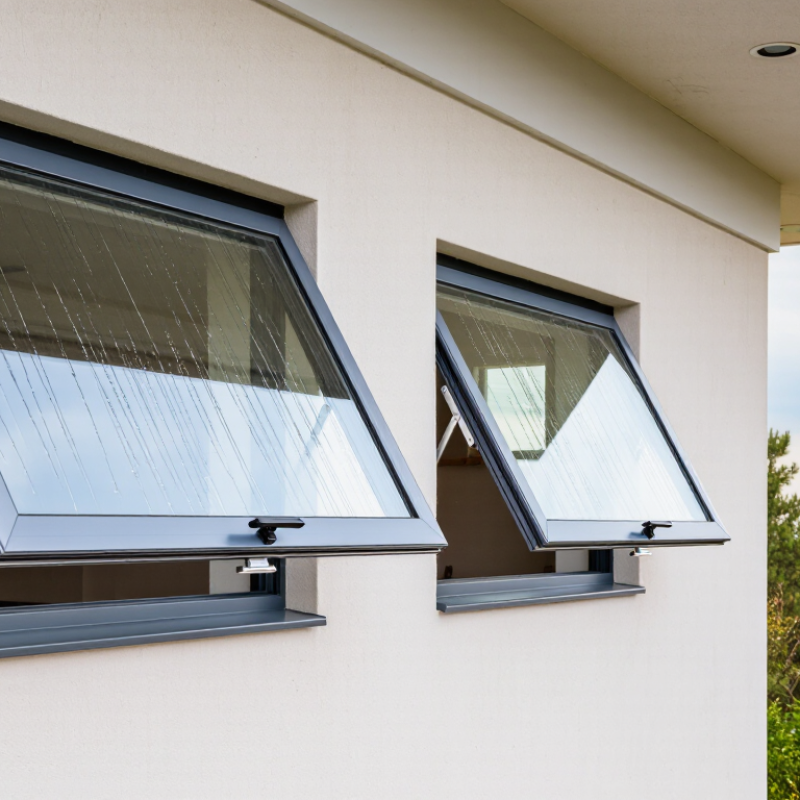
Choosing awning windows for any climate requires more than comparing frame colors and glass styles. These windows open outward from the bottom, creating a sheltered gap above the opening. That design can support ventilation during light rain, but performance depends on careful selection and installation.
In hot, humid regions, awning windows can release warm indoor air while limiting direct rain entry. Look for corrosion-resistant hardware, durable seals, and glazing suited to strong sunlight. In cold climates, low-emissivity glass, insulated frames, and properly sealed joints help reduce drafts. Very windy locations require products tested for local wind pressure. Coastal homes need extra protection against salt exposure. Small details matter.
Experience also shows that climate is only part of the decision. Room use, wall orientation, maintenance access, and emergency egress requirements can change the best choice. A bathroom may benefit from privacy glass and moisture-resistant components. A kitchen may need an opening that clears nearby cabinets. Check the manufacturer’s performance ratings, installation instructions, and warranty terms before ordering. Independent testing information is useful, but it does not replace professional site assessment.
There is no perfect window.
A reliable choice balances ventilation, weather resistance, energy performance, and long-term care. Some recommendations may seem obvious, yet local conditions often challenge them. A shaded mountain home, a sun-facing apartment, and a coastal cottage may need different awning windows. This guide examines those differences and explains practical selection criteria, while acknowledging that installation quality can matter as much as the product itself.
Climate Factors That Influence Awning Window Selection
Awning windows suit many climates because their top-hinged sash opens outward. This design can admit air during light rain. However, climate conditions should guide every specification. The U.S. Department of Energy estimates that windows account for 25–30% of residential heating and cooling energy use. In cold regions, choose a low U-factor and insulated glazing. These features reduce heat loss near the glass edge.
Hot climates require a different balance. The National Fenestration Rating Council identifies U-factor and Solar Heat Gain Coefficient as key performance ratings. A low SHGC can limit unwanted solar heat, especially on south- and west-facing walls. In humid coastal areas, check air leakage, water resistance, corrosion-resistant hardware, and tested wind-pressure performance. Awning windows can ventilate safely, but exposed openings still need protection during severe storms. No window solves every problem.
Tips: Match the window to the wall orientation, not only the local climate label. In rainy regions, test the drainage path with a hose before installation. In cold areas, inspect the frame seal each winter. Ask for NFRC-certified ratings and installation details. Field conditions are often less perfect than brochures suggest. That deserves honest attention. Also consider insect screens, exterior shading, and emergency egress requirements before ordering. I would not choose a large awning unit solely for ventilation; wind loads and hardware durability may change the decision.
| Climate or Exposure | Main Environmental Challenge | Recommended Glazing Characteristics | Frame and Spacer Considerations | Awning Window Features to Prioritize | Important Selection Checks |
|---|---|---|---|---|---|
| Cold and Very Cold Climates | Heat loss, interior condensation, drafts, and ice or snow around the exterior. | Choose low-conductivity insulating glass, normally double or triple glazing. A low-emissivity coating and argon-filled cavities can reduce heat transfer. Select a low U-factor; lower values indicate better insulation. | Thermally improved frames, insulated frame cavities, and warm-edge spacers help reduce conductive heat loss and condensation at the glass edge. | Multi-point locking, compression gaskets, adjustable hardware, and a sash that closes tightly against the weather seal. An awning configuration can provide ventilation during light precipitation when safely operated. | Review the complete-window U-factor rather than the center-of-glass value. Check condensation resistance, air-leakage performance, and compatibility with exterior storm protection. |
| Mixed-Humid Climates | Seasonal heating and cooling demands, wind-driven rain, and indoor humidity changes. | Use insulating low-emissivity glass with a balanced solar heat-gain coefficient (SHGC). A moderate SHGC is often suitable, but the final value should reflect window orientation and heating versus cooling priorities. | Select frames with thermal breaks or insulated chambers and durable seals that tolerate repeated seasonal movement. | Reliable compression seals, corrosion-resistant operators, weep paths, and controlled opening angles. Awning windows can support natural ventilation while helping limit direct rain entry. | Compare both U-factor and SHGC for each orientation. Confirm that drainage paths remain clear and that the window is correctly integrated with flashing and water-resistive barriers. |
| Hot-Humid Climates | High cooling loads, moisture intrusion, condensation, mold risk, and frequent wind-driven rain. | Low-emissivity glazing with a low-to-moderate SHGC can limit solar heat gain. Double glazing is common; higher-performance insulating glass may be useful where cooling loads or condensation control justify it. | Use moisture-resistant frames, durable sealants, thermally improved sections, and spacers designed to limit condensation at the perimeter. | Tight air-sealing, compression weather seals, corrosion-resistant hardware, sloped sill drainage, and secure limited-opening controls. The sash should not be left open during severe storms. | Check air-leakage ratings, water-penetration resistance, condensation behavior, and the installation details around the sill, jambs, and head. Do not rely on the window alone to control indoor humidity. |
| Hot-Dry and Desert Climates | Intense solar radiation, large day-to-night temperature swings, dust, and cooling demand. | Select glazing with a low SHGC on strongly sun-exposed elevations. Low-emissivity glass can reduce radiant heat transfer; visible transmittance should be balanced against glare and daylight requirements. | Choose UV-resistant finishes, durable gaskets, thermally improved frames, and materials that tolerate high surface temperatures and repeated thermal cycling. | Tight seals, robust operators, insect screens, and controlled ventilation. Exterior shading such as overhangs or operable shades is often more effective than glass coatings alone. | Consider orientation-specific SHGC, exterior shading, dust-resistant hardware, and regular cleaning access. Verify that the frame finish is rated for strong sunlight and local temperature extremes. |
| Marine and Coastal Climates | Salt spray, persistent moisture, wind-driven rain, corrosion, and strong gusts. | Use insulating low-emissivity glazing appropriate to the local heating and cooling balance. Laminated glass may improve impact resistance and occupant safety where required by local codes or hazard standards. | Prefer corrosion-resistant hardware, protected fasteners, durable coatings, compatible sealants, and frames designed for frequent exposure to moisture and salt. | High water-penetration and structural ratings, multiple locking points, compression seals, positive drainage, and hardware that can withstand repeated operation in wet conditions. | Confirm the required design pressure, impact rating where applicable, coastal corrosion provisions, and local building-code requirements. Regularly rinse exposed hardware and keep drainage openings unobstructed. |
| High-Wind, Storm, or Hurricane-Prone Areas | Extreme wind pressure, wind-borne debris, rapid pressure changes, and wind-driven rain. | Select impact-rated or otherwise code-compliant glazing when required. Laminated glass can remain partly held together after breakage, but the complete assembly must be tested and rated as a unit. | Use reinforced frames, heavy-duty anchors, robust locking hardware, and a tested frame-to-wall installation system. | Secure multi-point locking, limited opening controls, reinforced operators, and compatibility with approved shutters or other storm-protection systems. | Verify local design-pressure, impact, missile, and installation requirements. Do not assume that a standard awning window is suitable for hurricane exposure simply because it is operable. |
| Cold, Wet, or Snowy Mountain Regions | Low temperatures, snow accumulation, freeze-thaw cycles, driving precipitation, and strong ultraviolet exposure at altitude. | Favor low-U-factor insulating glass with low-emissivity coatings. Triple glazing may be appropriate where very low outdoor temperatures and energy performance targets justify the additional weight and cost. | Select frames and sealants rated for freeze-thaw movement, insulated spacers, durable exterior finishes, and hardware that remains operable in cold weather. | Positive drainage, protected hinges and operators, secure compression seals, and an installation position that prevents snow from blocking the sill or sash. | Confirm snow-load and wind requirements, exterior drainage, condensation resistance, and whether the opening can be safely accessed for clearing snow and maintaining seals. |
| Noise-Sensitive Urban or Transportation Locations | Traffic noise, vibration, outdoor air pollution, and limited opportunities for natural ventilation. | Consider laminated acoustic glass or different glass thicknesses when supported by a project-specific acoustic design. Insulating glass can improve sound performance, but the result depends on the entire window assembly. | Use rigid, well-sealed frames and perimeter seals with continuous compression. Installation gaps should be properly insulated and air-sealed. | Tight closing pressure, reliable locking points, insect screens, and controlled ventilation when outdoor air quality and noise levels permit window opening. | Compare whole-window acoustic ratings where available, seal the surrounding wall interface, and balance ventilation needs against local noise and air-quality conditions. |
| Any Climate: Universal Selection Priorities | Performance can be reduced by poor sizing, incorrect installation, or unsuitable operation. | Compare whole-window U-factor, SHGC, visible transmittance, air leakage, and condensation resistance. U-factor measures heat transfer; SHGC indicates the fraction of solar radiation admitted through the window. | Match frame material, glazing weight, sealants, fasteners, and finishes to the local moisture, temperature, and ultraviolet exposure. | Choose an opening size that suits ventilation goals, provide insect screens where needed, and ensure the outward-opening sash will not conflict with walkways, shutters, neighboring windows, or exterior equipment. | Confirm local energy and safety codes, emergency-egress requirements where applicable, manufacturer installation instructions, flashing details, drainage, maintenance access, and warranty conditions before ordering. |
| Performance note: Lower U-factor generally means better resistance to heat flow. SHGC should be selected according to climate, orientation, shading, and heating or cooling goals; a lower SHGC reduces solar heat gain. Ratings should be compared for the complete window assembly, not glass alone, and local building codes always take precedence over general recommendations. | |||||
Related Posts
-
7 Best Awning Windows for Global Buyers?
-
10 Best Awning Windows for Home Ventilation and Aesthetic Appeal
-
What Are the 2026 Best Double Hung Sliding Windows?
-
What Are the Top 10 Types of House Windows?
-
Best Doors on Windows for Your Home Improvement Needs?
-
2026 How to Choose the Best Patio Doors and Windows for Your Home?
Ontario launching new 12-year rebate program