How to Choose the Best Exterior Windows for Your Home?
Choosing the right exterior windows for your home is crucial. They impact both aesthetics and energy efficiency. According to Emily Green, a renowned expert in exterior windows, "The right windows can transform a house, enhancing its beauty and comfort."
When selecting exterior windows, consider different materials. Vinyl, wood, and aluminum each offer unique advantages. Vinyl is often affordable and low-maintenance. Wood provides a classic look but requires more upkeep. Aluminum is durable but can conduct heat, affecting energy bills.
Think about your local climate as well. Windows must withstand weather conditions while providing insulation. Moreover, energy-efficient options can reduce heating and cooling costs. It's vital to find windows that fit your home's architecture. Take your time to weigh these factors carefully. Even small details, like frame color or shape, count. Reflecting on these points can lead to a more satisfying choice.
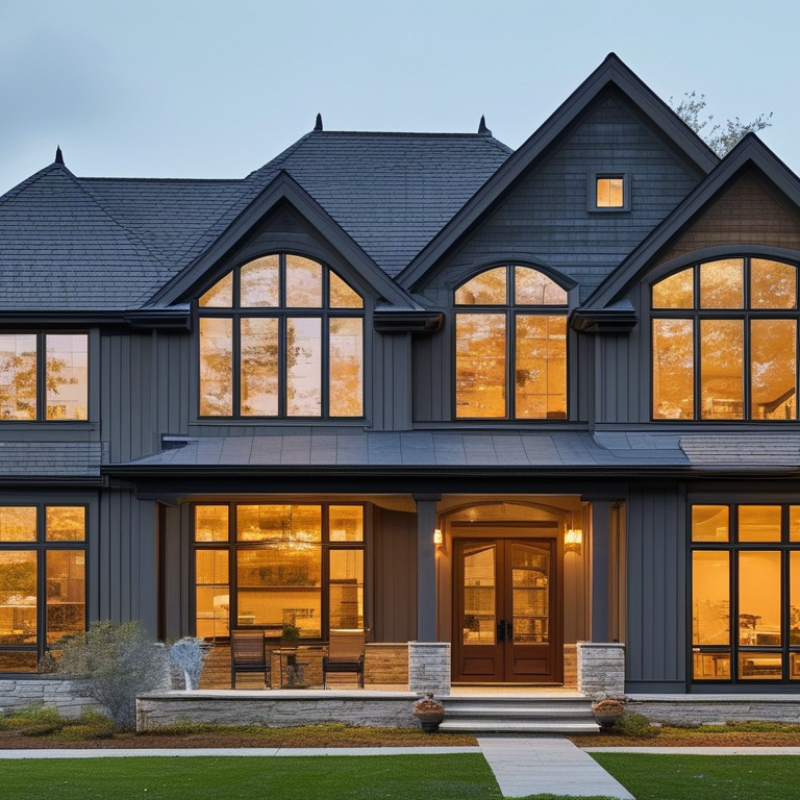
Factors to Consider When Choosing Exterior Windows for Your Home
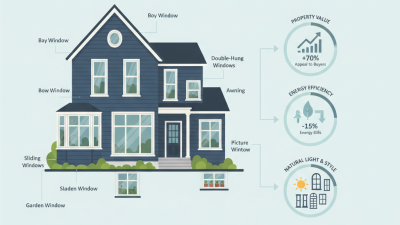
Choosing the right exterior windows is vital for your home’s energy efficiency and curb appeal. Multiple factors should be considered in this decision. According to the Efficient Windows Collaborative, windows account for about 25-30% of residential heating and cooling needs. Selecting energy-efficient windows can significantly reduce utility bills, offering a return on investment of approximately 70% at resale.
Material type is another critical element. Vinyl, wood, and fiberglass each have distinct advantages and drawbacks. Vinyl windows are maintenance-free but may lack aesthetic appeal. Wood offers beauty and insulation but requires regular maintenance. Fiberglass, while durable and energy-efficient, comes at a higher cost. It’s essential to balance these factors with your budget and long-term goals.
Finally, local climate plays a significant role in your window choice. In regions with extreme temperature fluctuations, double or triple-pane windows can provide superior insulation. However, there may be variations in performance based on the window's orientation and placement. Therefore, it's essential to consult with a professional who understands local conditions and regulations before making a decision. The complexity of these choices can be overwhelming, highlighting the importance of doing thorough research.
How to Choose the Best Exterior Windows for Your Home?
| Factor |
Description |
Importance (1-5) |
| Energy Efficiency |
Choose windows with good insulation properties to reduce energy costs. |
5 |
| Material |
Consider materials such as vinyl, wood, or aluminum for durability and style. |
4 |
| Style |
Select a style that complements your home’s architecture and enhances curb appeal. |
4 |
| Window Size |
Ensure the size of the windows matches your design and lighting needs. |
3 |
| Maintenance |
Consider the level of maintenance required for different materials. |
3 |
Types of Exterior Window Materials and Their Benefits
Choosing the right exterior windows is crucial for any homeowner. Various materials offer unique benefits, impacting energy efficiency, aesthetics, and maintenance. Wood, vinyl, fiberglass, and aluminum are popular choices, each with different attributes.
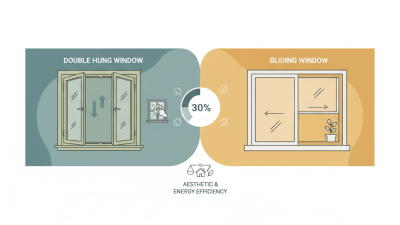
Wood windows provide natural beauty and excellent insulation. However, they require regular maintenance to prevent rot and damage. According to the Window and Door Manufacturers Association, wood windows have the highest initial cost but can increase resale value. For a low-maintenance option, vinyl is a leading choice. It’s durable, energy-efficient, and comes in various colors. Reports indicate that vinyl windows can cut energy bills by up to 30% over time.
Fiberglass windows are gaining popularity due to their strength and energy efficiency. They resist warping and can last decades with proper care. On the downside, they often come with a higher price tag. Aluminum windows are lightweight and strong but are less energy-efficient without thermal breaks. It’s essential to weigh these factors carefully, as the right material can significantly affect comfort and costs in the long run. Consider your local climate and personal preferences when making this decision.
Energy Efficiency Ratings and Their Importance in Windows
When selecting exterior windows, energy efficiency ratings are crucial. These ratings help homeowners understand how well a window can insulate against heat loss. Various scales, including U-factor and Solar Heat Gain Coefficient, indicate performance. A lower U-factor means better insulation, while a suitable SHGC can reduce cooling costs in warm climates.
It's important to note that energy efficiency doesn’t just save money; it also impacts comfort. Poorly rated windows can lead to temperature fluctuations indoors. Drafts and condensation can become common issues. Evaluating the long-term benefits is essential. While high-efficiency windows may cost more upfront, the savings on energy bills often balance this out over time.
Not every home requires the same type of window. Individual needs will vary based on climate and personal preferences. Homeowners must reflect on how often they use heating or air conditioning. This self-assessment can inform their choice. Remember, choosing windows is more than just an aesthetic decision; it's a commitment to energy efficiency and long-term savings.
Energy Efficiency Ratings of Exterior Windows
This bar chart illustrates the energy efficiency ratings of different types of exterior windows, measured by their U-Factor. A lower U-Factor indicates better insulation properties, which contributes to energy savings in home heating and cooling.
Design and Style: Matching Windows to Your Home's Aesthetic
When selecting exterior windows, consider how they complement your home’s design and style. Windows are not just functional; they are a visual statement. According to the 2023 Remodeling Report, 60% of homeowners prioritize aesthetics when choosing windows. Styles can range from modern minimalism to traditional craftsman, each requiring specific window types to look harmonious.
Architectural guidelines often suggest aligning window styles with the overall theme of the home. A Victorian house, for instance, pairs well with double-hung windows, while a contemporary design might benefit from large picture windows. The National Association of Home Builders reports that over 75% of buyers value the beauty and craftsmanship of windows. However, only 40% of homes actually utilize designs that enhance their architectural integrity.
Choosing colors is also essential. Neutral tones offer versatility, while bold colors can make a statement. A recent survey found that homes with well-matched window colors sell 15% faster. Yet, many homeowners struggle with color selection and window placement. This can detract from the home’s curb appeal, leading to costly revisions later on. Investing time in this decision pays off.
Budgeting for Your Window Purchase and Installation Costs
When planning for new windows, budgeting is crucial. Start by determining how much you can afford. Consider the costs associated with not just the windows, but also installation. Proper installation can significantly affect performance and longevity.
Window prices vary widely. High-end options offer energy efficiency but may strain your budget. Research materials and styles that fit your home’s aesthetic without breaking the bank. Remember to account for any additional expenses, like permits or unexpected repairs during installation.
Reflect on potential trade-offs. Choosing budget windows might save money initially, but could lead to higher costs later due to replacements or energy losses. Striking a balance between quality and price is key. Write down your priorities and adjust your budget as needed. This approach can help ensure you make an informed decision that meets your needs.