How to Choose the Best Patio Doors and Windows for Your Home?
When selecting patio doors and windows, understanding the landscape of choices is crucial. Industry expert, Mark Thompson, emphasizes, “Choosing the right patio doors and windows can transform your home.” His insight reflects a foundational truth in home design. The right choice enhances both aesthetics and functionality.
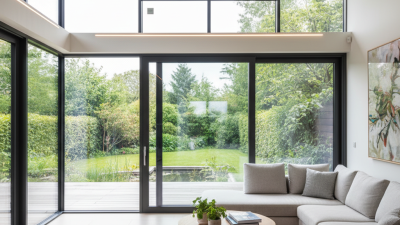
Patio doors and windows serve as the gateway between indoor and outdoor spaces. They bring natural light and ventilation, but not all options fit every home. Homeowners often find themselves overwhelmed by styles, materials, and technologies. It’s vital to identify what aligns with your home’s architecture and personal style.
Consider the climate in your area. Energy efficiency plays a significant role in your selection process. Sometimes, a door or window that looks appealing may not meet your energy needs. Mistakes can lead to higher heating and cooling bills. Take time to reflect on your specific needs and preferences when choosing patio doors and windows.
Understanding Different Types of Patio Doors and Windows Available
Choosing the right patio doors and windows is vital for your home's aesthetics and function. Several types are available, each with distinct benefits.
Sliding doors often save space. They glide open and close smoothly, maximizing your indoor and outdoor access.
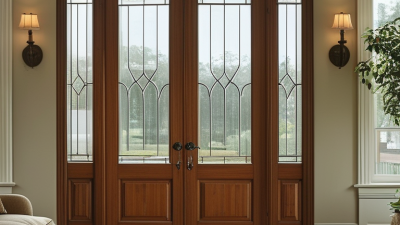
French doors add a classic charm and provide a wide opening. They can also enhance the natural light in your home.
Window options include casement, double-hung, and hopper styles.
Casement windows open outward, providing excellent ventilation.
Double-hung windows allow both sashes to move, making cleaning easier.
Hopper windows are great for basements, allowing light while maintaining privacy. Each type has its unique appeal and drawbacks.
Understanding your home’s needs is crucial. Consider style, energy efficiency, and maintenance. Choose materials that withstand your climate. Reflect on how often you use your patio space.
It’s about balancing aesthetics with functionality. Developing a clear understanding helps in making informed decisions.
Evaluating Energy Efficiency Ratings for Patio Doors and Windows
When choosing patio doors and windows,
energy efficiency is key. Look for products with a high Energy Star rating.
These ratings help you understand how well a door or window insulates. Good insulation keeps your home comfortable and reduces energy bills.
Pay attention to U-factor, which indicates the rate of heat transfer.
Lower U-factor means better insulation.
Consider solar heat gain coefficients too.
This measures how much sunlight enters through glass. If you live in a warm area, you may want lower values.
High solar gain might be better for colder climates. Always check for air leakage ratings.
Why? Leaky windows or doors can lead to drafts and energy loss.
Evaluate the materials used. Fiberglass and vinyl
often provide better insulation than aluminum.
But they might not always fit your aesthetic. It's essential to think about style and function together.
Remember to reflect on your choices. Not every option will suit every environment. Make sure to gather all available information before making a decision.
Considering Material Choices: Wood, Vinyl, and Aluminum Options
Choosing the right material for patio doors and windows significantly impacts your home's
aesthetics,
energy efficiency, and longevity.
Wood, vinyl, and aluminum are popular choices for homeowners,
each offering distinct advantages and disadvantages.
Wood presents a classic appeal
but requires regular maintenance to prevent rot and warping.
A 2022 report from the American Wood Council states that well-maintained wood can last over 30 years.
Vinyl, on the other hand, provides excellent insulating properties
and requires minimal upkeep. According to the Vinyl Siding Institute, vinyl windows can cut energy bills by up to
25%. However, some homeowners find vinyl less visually appealing compared to wood.
Aluminum frames are durable and resistant to environmental factors.
Yet, they may conduct heat, leading to higher energy costs.
When selecting materials, assess your local climate and maintenance preferences.
Reflecting on your lifestyle is crucial. A proactive approach in choosing
the right material can enhance your home's comfort and efficiency.
Consider each option's long-term impact and weigh their strengths against your specific needs.
This process is not always straightforward. Balancing aesthetics, cost, and performance is essential for
a successful decision.
Assessing Style and Design to Complement Your Home’s Architecture
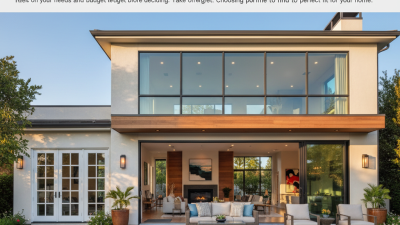
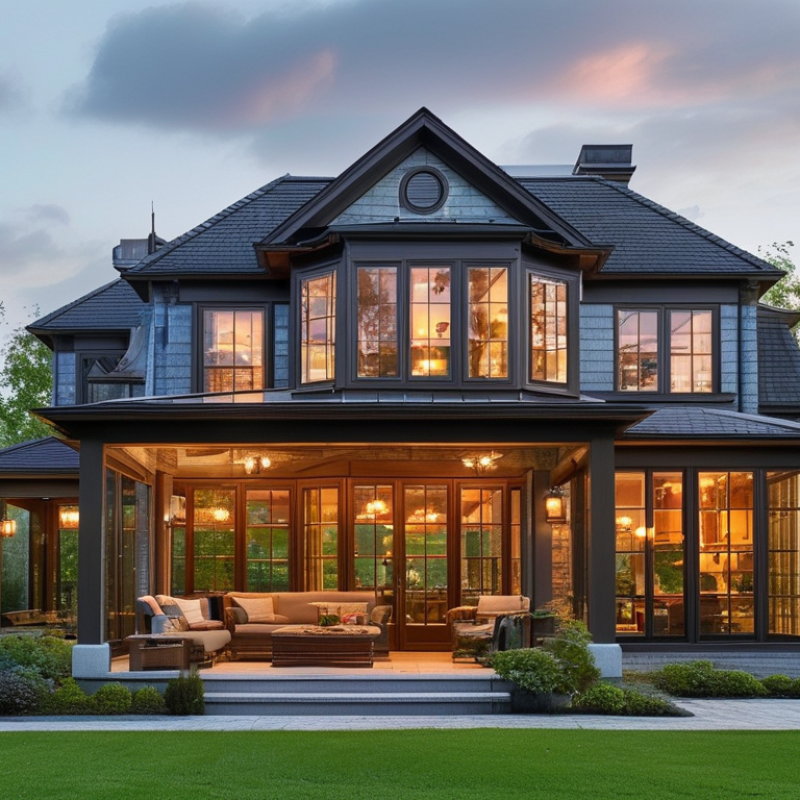
Choosing the right patio doors and windows can transform your home’s exterior. Consider how the style complements your home’s architecture. Whether your home is modern, traditional, or rustic, your choice should reflect that character. Pay attention to material, color, and design.
Tips: Choose materials that fit your environment. Wood offers warmth but requires maintenance. Vinyl is durable and low-maintenance. Think about energy efficiency too; double-glazed options help regulate temperature.
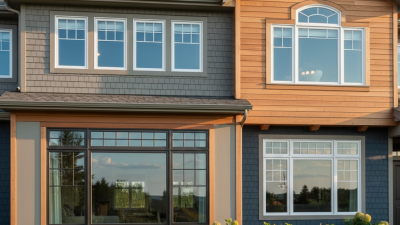
Shapes and sizes matter as well. Large sliding doors can open up a small space, creating a sense of flow. Meanwhile, small, divided windows can add charm. Keep proportions balanced. A large door might overshadow tiny windows. Ensure harmony throughout.
Your personal style is key. Don’t rush the decision. Visit showrooms or browse online galleries. Take your time to visualize how different designs would look on your home. Reflect on past experiences. What worked before? What didn’t? Test combinations before finalizing your choice.
Determining Your Budget and Installation Factors for Best Selection
When selecting patio doors and windows, your budget plays a critical role. Studies show that homeowners often underestimate installation costs by 20%. The average cost of patio doors ranges from $1,200 to $2,500, depending on materials and size. Understanding your budget helps narrow options, avoiding disappointment later.
Installation factors add layers to your decision. Choosing between professional installation and DIY affects costs significantly. Hiring professionals typically adds 10% to 20% to your total expense. Moreover, some designs require specific framing. Failing to consider this can lead to unexpected expenses. Additionally, local building codes may influence your choices, making it essential to research regulations in your area.
Consider energy efficiency, as well. According to the U.S. Department of Energy, energy-efficient windows and doors can reduce heating and cooling costs by 12% to 33%. Investing more upfront can lead to significant savings over time. However, not all high-priced options guarantee better insulation. Balancing upfront costs with long-term savings requires thoughtful assessment. Ensure that your selections align with both your financial capabilities and your home's Aesthetic.