Why Choosing the Right Exterior Windows Can Save You Money and Energy
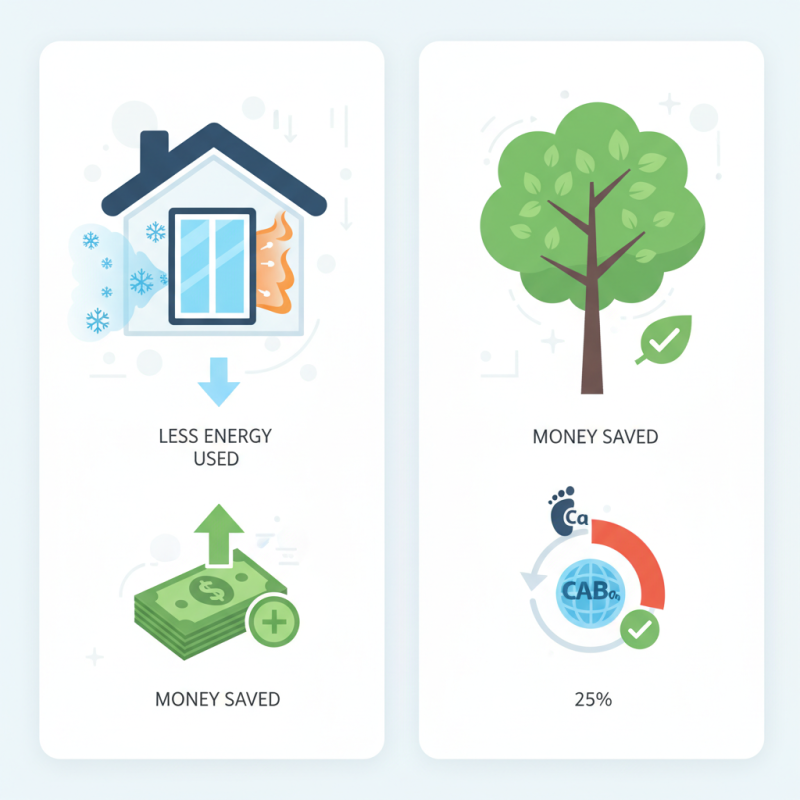
Selecting the appropriate exterior windows is not merely a matter of aesthetics; it can significantly impact both energy consumption and overall household expenses. According to the U.S. Department of Energy, inefficient windows can account for up to 25% of a home's heating and cooling energy use. This means that choosing the right exterior windows is a crucial investment that benefits homeowners financially and environmentally.
Moreover, the National Fenestration Rating Council (NFRC) emphasizes that high-performance windows can drastically reduce energy bills by improving thermal efficiency. For instance, studies indicate that households can save between $100 to $500 annually simply by upgrading to ENERGY STAR® qualified windows. Not only do these windows enhance comfort levels by minimizing drafts and controlling temperature fluctuations, but they also contribute to the reduction of greenhouse gas emissions.
In an era where energy conservation is paramount, making informed decisions regarding exterior windows can lead to substantial savings and a reduced carbon footprint. Homeowners who prioritize energy-efficient window options are not just saving money; they are also playing a vital role in promoting a sustainable future.
Understanding the Importance of Exterior Windows in Home Efficiency
When it comes to enhancing home efficiency, the choice of exterior windows plays a critical role. Energy-efficient windows are designed to minimize heat transfer, helping to maintain a stable indoor temperature. This allows homeowners to reduce reliance on heating and cooling systems, leading to lower energy bills. High-quality windows can significantly decrease drafts and air leakage, ensuring that energy stays in the house rather than escaping through less efficient designs.
Moreover, the materials used in window construction have a considerable impact on durability and performance. For instance, double-glazed windows with low-emissivity coatings can reflect heat during summer and retain warmth during winter, providing year-round comfort. Additionally, selecting windows with good insulation properties not only contributes to energy savings but also enhances the overall value of the home. Investing in the right exterior windows is essential for homeowners aiming to improve energy efficiency while enjoying long-term financial benefits.
Types of Energy-Efficient Windows and Their Benefits
When it comes to improving energy efficiency in homes, choosing the right exterior windows is crucial. Energy-efficient windows come in various types, each offering unique benefits.
 For instance, double or triple-pane windows, which feature multiple layers of glass, significantly reduce heat transfer. According to the U.S. Department of Energy, homes can save up to 25% on energy bills by upgrading to high-performance windows, particularly in regions with extreme temperatures.
Another popular option is Low-E (low-emissivity) windows, which have a special coating that reflects heat back into the home during winter and keeps it out during summer. This technology can improve a home’s energy efficiency by up to 12%, as indicated by the National Renewable Energy Laboratory. Furthermore, selecting windows with airtight frames helps prevent drafts, contributing to stable indoor temperatures and lower heating and cooling costs.
Overall, investing in energy-efficient windows not only enhances comfort but also yields substantial long-term savings on energy expenses.
How Proper Window Installation Affects Energy Savings
When it comes to energy savings, the importance of proper window installation cannot be overstated. Even the most energy-efficient windows will fail to perform if not installed correctly. Poor installation can create gaps and leaks that allow air to escape, undermining the insulating properties of the window. This leads to higher energy bills as your heating and cooling systems work harder to compensate for the loss of conditioned air.
Additionally, improper installation can lead to issues such as condensation and mold growth, further decreasing energy efficiency and compromising indoor air quality. Ensuring that windows are installed according to manufacturer specifications and local building codes is crucial. This not only enhances their performance but also maximizes energy savings. Homeowners should prioritize hiring qualified professionals who understand the best practices in window installation, as the initial investment can pay off significantly in reduced energy costs over time.
Energy Savings from Choosing the Right Windows
Investing in efficient window types can lead to significant annual energy savings. The chart above shows estimated energy savings associated with different window technologies, illustrating the cost-effectiveness of upgrading to better-insulated windows.
The Role of Window Materials in Cost and Energy Efficiency
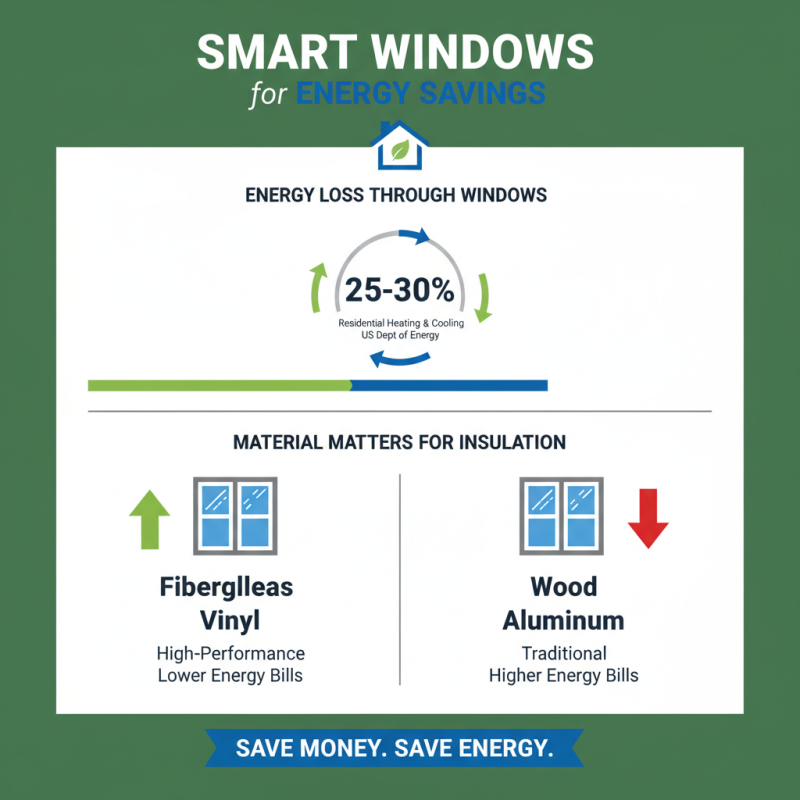
When it comes to energy efficiency and cost savings in home design, the choice of window materials is paramount. According to the U.S. Department of Energy, windows can account for 25% to 30% of residential heating and cooling energy use. By selecting high-performance materials, homeowners can significantly reduce their energy consumption. For instance, windows made from fiberglass and vinyl typically offer better insulation properties compared to traditional wood or aluminum frames, resulting in lower energy bills.
Moreover, advancements in window technology, such as Low-E (low emissivity) coatings and triple-pane glazing, have proven to enhance energy efficiency. The National Fenestration Rating Council (NFRC) states that windows with these features can reduce energy loss by up to 70% compared to standard single-pane glass. Consequently, opting for windows with superior materials not only enhances comfort but also contributes to substantial long-term savings on energy costs. As energy prices continue to rise, investing in the right window materials becomes an essential part of any energy-efficient home strategy.
Tips for Selecting the Right Windows for Your Home and Budget
Selecting the right windows is essential for both energy efficiency and financial savings when it comes to home improvement. According to the U.S. Department of Energy, windows account for up to 30% of residential heating and cooling energy use. By investing in energy-efficient windows, homeowners can reduce their energy bills by an average of $125 to $465 annually, depending on their location and climate. Thus, it’s crucial to prioritize types such as double or triple glazing, which can significantly enhance a window's thermal performance.
When choosing windows, consider factors such as energy ratings and materials. Windows with the ENERGY STAR® label meet strict energy efficiency guidelines set by the Environmental Protection Agency and can offer significant savings. For example, fiberglass frames generally have lower thermal conductivity compared to wood or vinyl, making them more energy-efficient in the long run. Additionally, it’s important to balance cost and quality; while the upfront expense may be higher for high-efficiency windows, the long-term savings on energy costs can outweigh the investment, providing a sound financial decision for your home.
Why Choosing the Right Exterior Windows Can Save You Money and Energy - Tips for Selecting the Right Windows for Your Home and Budget
| Window Type |
Energy Efficiency Rating (U-factor) |
Average Cost per Window ($) |
Estimated Annual Energy Savings ($) |
Lifespan (Years) |
| Vinyl Windows |
0.30 |
300 |
100 |
20 |
| Fiberglass Windows |
0.25 |
600 |
150 |
30 |
| Wood Windows |
0.28 |
500 |
120 |
25 |
| Aluminum Windows |
0.32 |
400 |
90 |
20 |