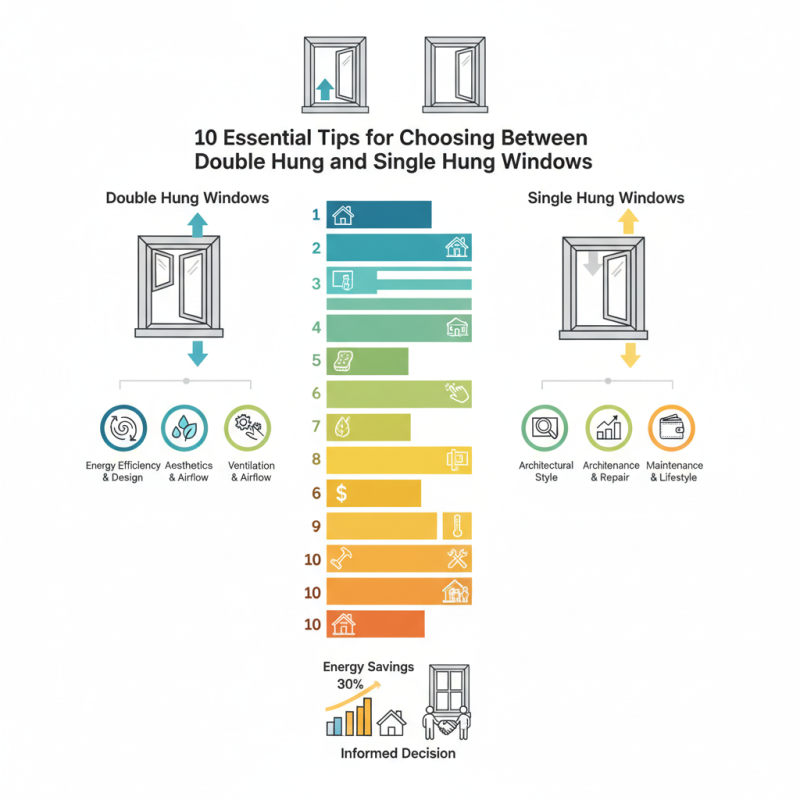
10 Essential Tips for Choosing Between Double Hung and Single Hung Windows
When it comes to selecting the right windows for your home, understanding the differences between double hung and single hung windows is pivotal. These two styles not only vary in functionality but also in energy efficiency, aesthetics, and cost. According to the American Institute of Architects, choosing the appropriate window type can impact energy savings by up to 30%, emphasizing the importance of making an informed decision. The choice between these window types often comes down to personal preference and practical application.
Industry expert Jane Smith, a leading window design consultant, notes, "The right choice between double hung and single hung windows can enhance not only the architectural integrity of a home but also improve its thermal performance." Double hung windows, featuring two moveable sashes, allow for better ventilation and ease of cleaning, while single hung windows offer a more traditional look with a fixed top sash. Evaluating your specific needs and considering factors such as airflow, ease of maintenance, and design compatibility is essential in the decision-making process. As homeowners seek to blend functionality with style, understanding these essential tips will guide you on the path to selecting the optimal window solution for your abode.
Factors to Consider When Choosing Double Hung vs. Single Hung Windows
When deciding between double hung and single hung windows, several key factors must be taken into account to ensure you make the best choice for your home. One of the primary considerations is ventilation. Double hung windows can be opened from both the top and the bottom, allowing for more flexibility in air circulation. This feature can be particularly beneficial in warmer climates where cross-ventilation is essential. In contrast, single hung windows have a fixed upper sash, limiting airflow options to just the bottom sash.
Another crucial factor is ease of maintenance. Double hung windows typically allow for easier cleaning, as both sashes can tilt inward. This accessibility makes it simple to wipe down the exterior glass without the need for ladders or specialized tools. On the other hand, single hung windows are generally simpler in design, which can lead to fewer components that might require repair or replacement in the long run.
When making your choice, consider the overall aesthetic of your home as well. Double hung windows provide a traditional look that can complement various architectural styles, while single hung windows present a more streamlined appearance. Ultimately, understanding these factors—ventilation needs, maintenance preferences, and design compatibility—will help guide you in selecting the right window style for your home’s characteristics and your personal needs.
Comparison of Double Hung vs. Single Hung Windows
Evaluation of Energy Efficiency Ratings for Both Window Types
When evaluating energy efficiency ratings for double hung and single hung windows, it is important to understand how the design of each type influences overall performance. According to the U.S. Department of Energy, windows are responsible for up to 30% of a home’s heating and cooling energy loss. Therefore, opting for energy-efficient windows can significantly impact utility bills and comfort levels within the home. Double hung windows typically offer better ventilation control, allowing homeowners to open both the top and bottom sashes, which can improve airflow and potentially enhance energy efficiency.
One of the essential tips for choosing between these two window types is to pay close attention to the energy performance ratings, particularly the U-factor and Solar Heat Gain Coefficient (SHGC). The U-factor measures the rate of heat transfer, with lower values indicating better insulation properties. According to a recent study by the National Fenestration Rating Council (NFRC), well-rated double hung windows can achieve U-factors as low as 0.20, making them highly resistant to heat loss. In contrast, single hung windows generally have slightly higher U-factors and may not provide the same level of thermal performance.
Another critical consideration is the installation factor. Opt for professional installation to ensure that sealing and insulation are correctly applied, as improper fitting can undermine energy efficiency ratings. Choosing windows that comply with ENERGY STAR® guidelines can also help ensure that you are investing in windows that have been tested rigorously for energy efficiency. This can be especially crucial in areas with extreme weather, where energy-efficient windows contribute greatly to maintaining indoor comfort and reducing energy costs.
Cost Analysis: Installation and Long-Term Maintenance Comparisons
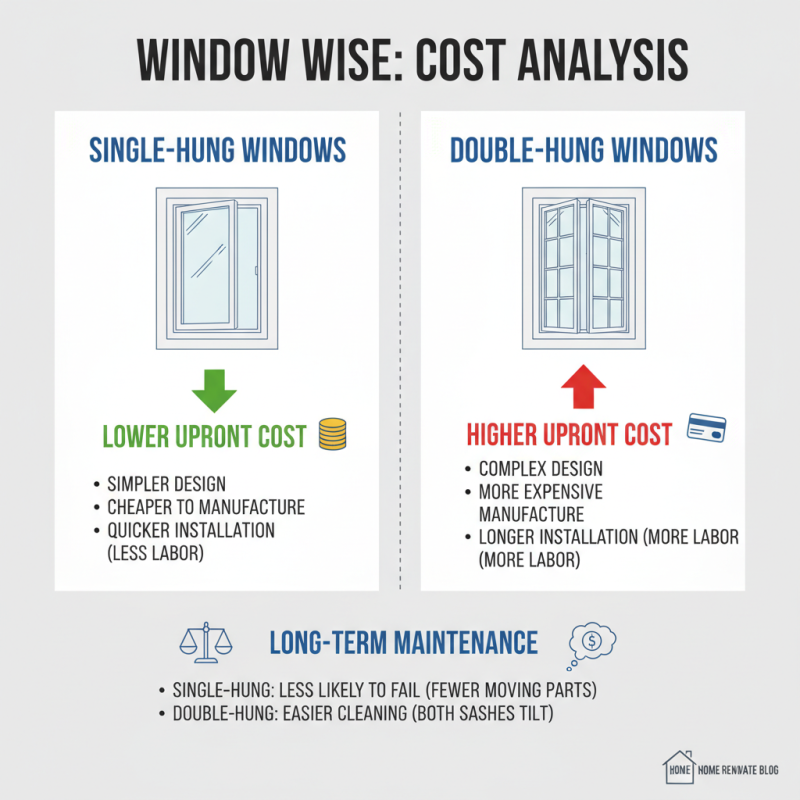
When choosing between double hung and single hung windows, a crucial aspect to consider is the cost analysis, which encompasses both installation and long-term maintenance. Generally, single hung windows tend to be less expensive upfront compared to their double hung counterparts. The simpler design of single hung windows often results in lower manufacturing costs, which translate into savings for homeowners during installation. Additionally, with fewer moving parts, single hung windows are generally quicker to install, potentially reducing labor costs as well.
However, it's important to weigh these initial savings against long-term maintenance and functionality. Double hung windows, while more expensive initially, offer greater versatility, as both sashes can be opened for better ventilation and ease of cleaning. This feature can lead to lower maintenance costs over time, as homeowners may find themselves needing to address issues related to dirt and grime buildup less frequently. Furthermore, their design can enhance energy efficiency, which may contribute to lower energy bills in the long run. Ultimately, while single hung windows may be more budget-friendly at first, the potential for reduced maintenance costs and enhanced functionality of double hung windows may present a more economical choice over time.
Impact of Window Styles on Home Aesthetics and Resale Value
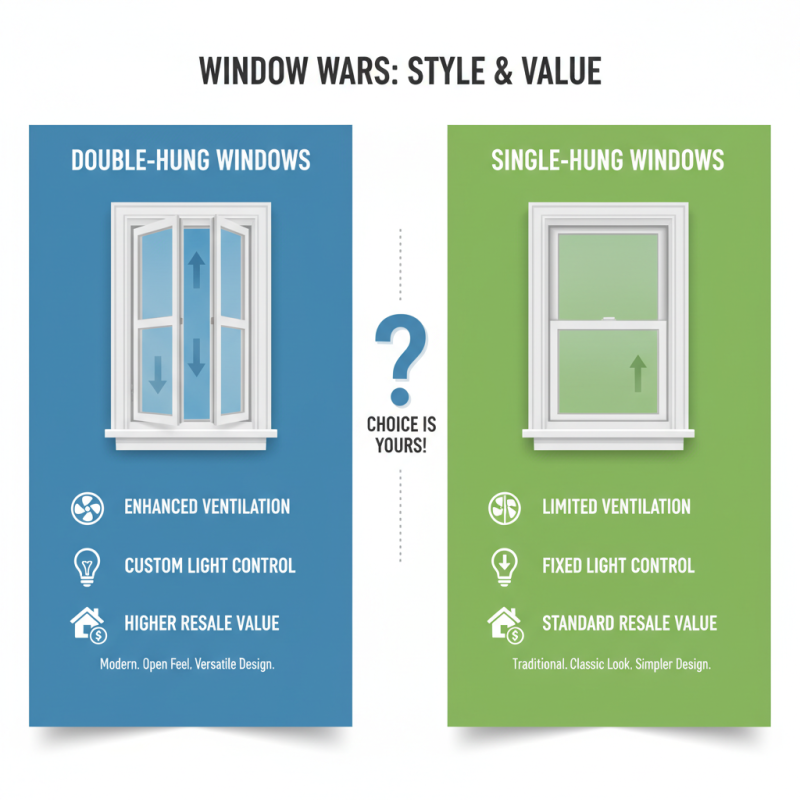
When considering new windows for your home, the choice between double hung and single hung windows extends beyond mere functionality; it significantly impacts both the aesthetics of your property and its potential resale value. Double hung windows, with their two operable sashes, confer a sense of openness and modernity, allowing for enhanced ventilation and customizable light control. This design can elevate the visual appeal of your home, creating a more inviting atmosphere that can catch the eye of potential buyers. The versatility in design also permits a greater range of styles and finishes, contributing to an overall harmonious exterior that complements various architectural elements.
On the other hand, single hung windows are often perceived as more traditional and can effectively evoke a classic look in homes that favor vintage or timeless aesthetics. While they may offer fewer ventilation options, their streamlined design frequently aligns well with specific home styles, maintaining a cohesive visual theme. Moreover, single hung windows can be less expensive than their double hung counterparts, making them an attractive option for budget-conscious homeowners. Ultimately, the style of windows installed plays a critical role in establishing the character of a home, influencing not only immediate visual attraction but also long-term marketability when it comes time to sell. Buyers often assess window styles as part of their overall impression, making this choice a pivotal one in enhancing home aesthetics and preserving resale value.
Ventilation and Accessibility: Pros and Cons of Each Window Design
When choosing between double hung and single hung windows, it's essential to consider the ventilation and accessibility each design offers. Double hung windows feature two operable sashes, allowing for increased airflow. You can open both the top and bottom sashes, which promotes better cross-ventilation and helps regulate indoor temperatures. This design is particularly beneficial for homes in warmer climates where airflow is crucial for comfort.
On the other hand, single hung windows have only the bottom sash that opens, while the top remains fixed. While this design may limit airflow compared to double hung windows, single hung options often provide a sleeker appearance and can be easier to clean, as the fixed top sash is less accessible. This might be advantageous in hard-to-reach areas or for those who prioritize simplicity in maintenance.
When deciding between these two options, consider your specific needs: If maximizing ventilation is crucial, double hung windows may be the better choice. However, if ease of cleaning and a streamlined look are more important, single hung windows could be the way to go. Additionally, evaluating the architectural style of your home and how each window design complements it can also guide your decision.