10 Essential Tips for Choosing the Right Storm Windows for Your Home
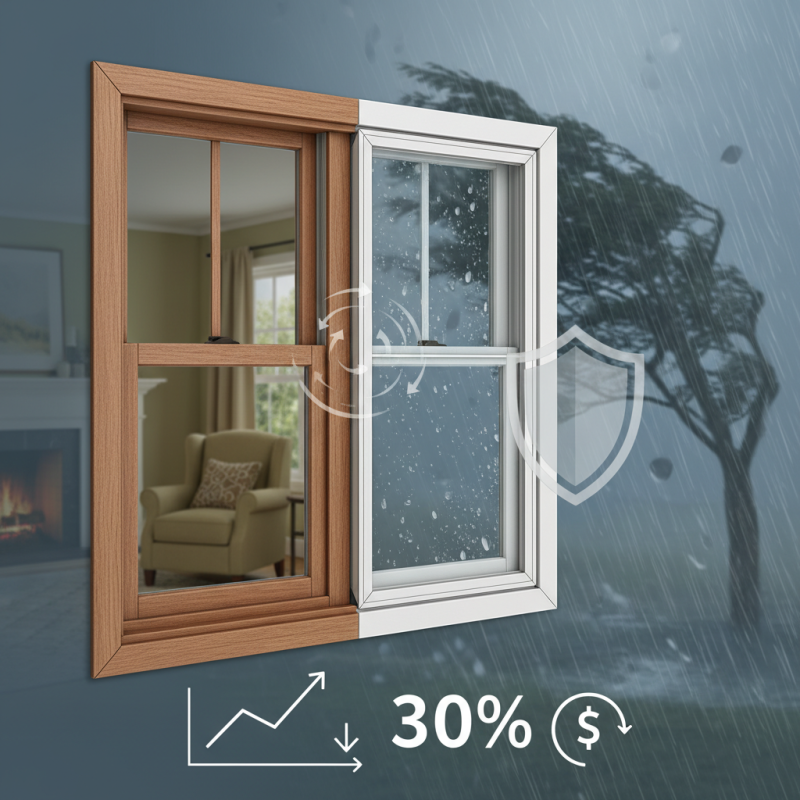
Choosing the right storm windows can significantly impact your home's energy efficiency and comfort. A report by the U.S. Department of Energy states that proper window upgrades can save up to 30% on heating and cooling costs. Therefore, selecting the best storm windows is crucial.
Storm windows provide an additional layer of insulation, reducing drafts and noise. They protect your primary windows against storms and extreme weather. According to the American Architectural Manufacturers Association, well-installed storm windows can lower the risk of window breakage by 70%. However, not all storm windows offer the same benefits.
It’s important to consider various factors such as materials, installation, and local climate. Some homeowners tend to overlook key details, resulting in mismatched products. Evaluating your specific needs is essential to avoid costly mistakes. Engaging with professionals can help clarify doubts and guide your decision. After all, the right storm windows can enhance your home’s durability while offering long-term savings.
Key Factors to Consider When Choosing Storm Windows for Your Home
When selecting storm windows, several key factors play a crucial role. First, you need to consider the material. Options like vinyl, wood, and aluminum each have distinct properties. Vinyl offers excellent insulation, while wood provides a classic aesthetic. Aluminum may not retain heat as well, yet it’s lightweight and resilient.
Sizing is another essential factor. Accurate measurements of each window are critical. A poor fit can lead to air leaks and reduced energy efficiency. Ensure you measure both the width and height at multiple points. The shape of the window also affects your choice.
Don’t overlook the type of glazing. Double-glazed windows offer better insulation than single-glazed ones. However, they may be pricier. Meanwhile, the installation process needs attention. Some homeowners opt for DIY, but that can lead to mistakes. You might save money, but it can cost more in repairs later. Explore professional help if you’re unsure. The right decision now can help you avoid regrets down the road.
Understanding Different Types of Storm Windows Available on the Market
Choosing the right storm windows can be daunting. You need to understand the various types available. Storm windows come in two main categories: interior and exterior. Interior storm windows are installed on the inside of your current windows. They are easier to install and remove. They help keep the cold out during winters.
Exterior storm windows, however, are placed on the outside. These provide additional protection against the elements. They are often more durable than their interior counterparts. But, they may require more effort to install. Consider your home's location and climate when choosing between them.
When selecting storm windows, think about materials. Vinyl, wood, and aluminum are common options. Vinyl is low maintenance but can warp in extreme heat. Wood offers good insulation but requires regular upkeep. Aluminum is lightweight but isn’t as efficient. Pay attention to energy efficiency ratings, too. They can impact your energy bills significantly.
10 Essential Tips for Choosing the Right Storm Windows for Your Home
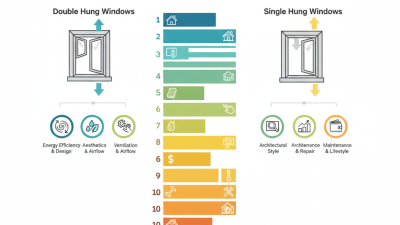
This chart illustrates the importance rating for various considerations when choosing storm windows for your home. The ratings range from 1 to 10, reflecting how crucial each factor is in the decision-making process.
Evaluating the Energy Efficiency Ratings of Storm Windows
When selecting storm windows, energy efficiency is crucial. Understanding ratings can significantly impact your home's comfort and bills. Look for windows with a high U-factor. This factor measures how well a window insulates. The lower the U-factor, the better the insulation. For example, windows with a U-factor of 0.25 are more efficient than those rated at 0.35.
Another important metric is the Solar Heat Gain Coefficient (SHGC). This measures how much heat from sunlight passes through. A lower SHGC means less heat enters your home during summer. According to the Department of Energy, adding storm windows can improve energy efficiency by up to 20%. This is substantial, especially in extreme climates.
Tip: Compare energy ratings from different manufacturers. Every product may have different efficiencies. Also, don’t overlook installation quality. Poor installation can reduce a window's effectiveness. Air leaks caused by bad installation can increase your energy bills. Moreover, consider local climate conditions when choosing your windows. What works in one region may not in another. Remember, effective storm windows should balance heat retention and ventilation. This balance is essential for year-round comfort.
Assessing Durability and Material Options for Storm Windows
Choosing the right storm windows involves careful consideration of durability and material options. Look for windows made from sturdy materials like vinyl, wood, or aluminum. Each material has its pros and cons. For example, wood offers a classic look but requires more maintenance. Aluminum is durable but can conduct heat, which may not be ideal in all climates.
Think about the weather in your area. Harsh conditions demand tougher materials. Vinyl windows are resilient against moisture, making them suitable for humid regions. However, they might fade in intense sunlight over time. It's essential to weigh these factors against your specific needs. If you're indecisive, consider reaching out to professionals for insights. Personal experiences and reviews can provide valuable perspectives.
Don’t forget to reflect on your budget. Higher durability often comes with a higher price tag. Are you willing to invest more upfront for better long-term resistance? Sometimes, what seems like a cost-saving option can lead to issues later. Prioritize what matters most to you: aesthetics, insulation, or maintenance. Finding the balance is key.
Installation Considerations and Professional Help for Storm Windows
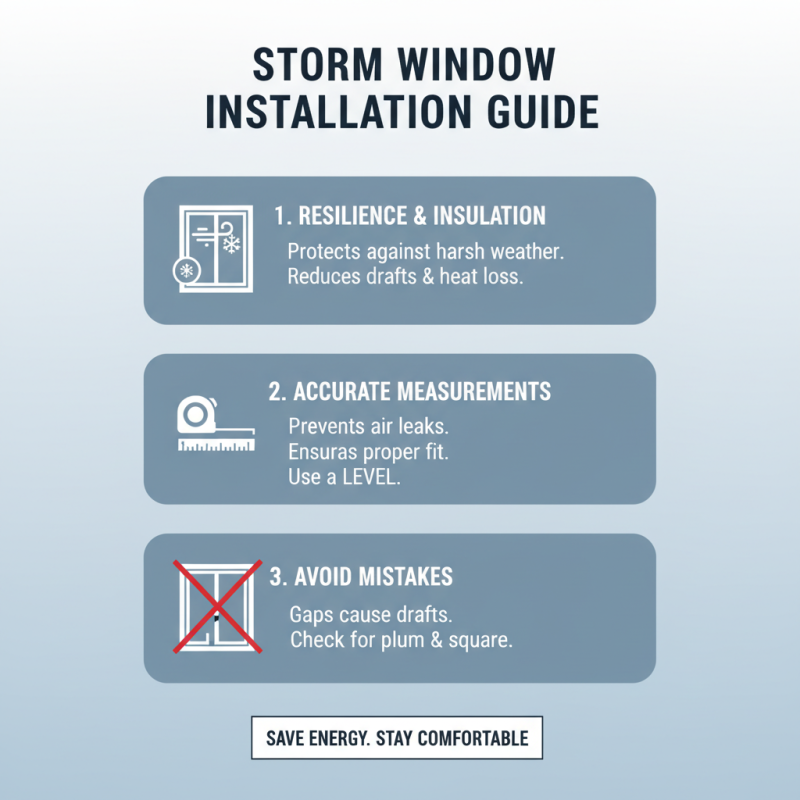
When installing storm windows, consider various factors. Resilience against harsh weather is crucial. The right fit prevents air leaks and improves insulation. You must take accurate measurements of your windows. Using a level during this process ensures proper installation. Mistakes can lead to gaps, which allow drafts.
Hiring professionals can be advantageous. They bring expertise and experience to the table. A skilled installer knows the nuances of different window types. Their insights can help you avoid common pitfalls. Yet, not all professionals are equal. Strive to check reviews and ask for references. A hasty decision might result in extra costs.
Additionally, think about energy efficiency. Well-installed storm windows can drastically lower utility bills. But remember, not all windows are made the same. Some might look appealing yet offer poor insulation. Reflecting on these aspects can guide your decision-making process. Your home deserves the best protection against storms.