Top 10 House Windows Styles That Enhance Energy Efficiency by 40 Percent
When it comes to enhancing the energy efficiency of homes, the choice of house windows plays a crucial role. According to a report by the U.S. Department of Energy, windows account for up to 30% of residential heating and cooling energy use. By selecting high-performance windows, homeowners can significantly reduce their energy consumption, leading to both environmental benefits and substantial cost savings on energy bills. Studies have shown that implementing energy-efficient glazing technologies and proper framing can improve energy performance by as much as 40%, making the selection of window styles not only an aesthetic choice but a smart financial investment.
The market for energy-efficient house windows has gained momentum, with the demand driven by increased awareness of sustainability and energy conservation. The latest data from the National Fenestration Rating Council (NFRC) indicates that consumers are becoming more informed about energy ratings, pushing manufacturers to innovate and provide options that blend style with efficiency. From double-hung to casement windows, the options available today are not only designed to enhance curb appeal but also to optimize the thermal performance of homes, making them a worthy consideration for any renovation or new build. As we delve into the top 10 house window styles that promise to enhance energy efficiency, it becomes evident that these designs are as functional as they are beautiful.
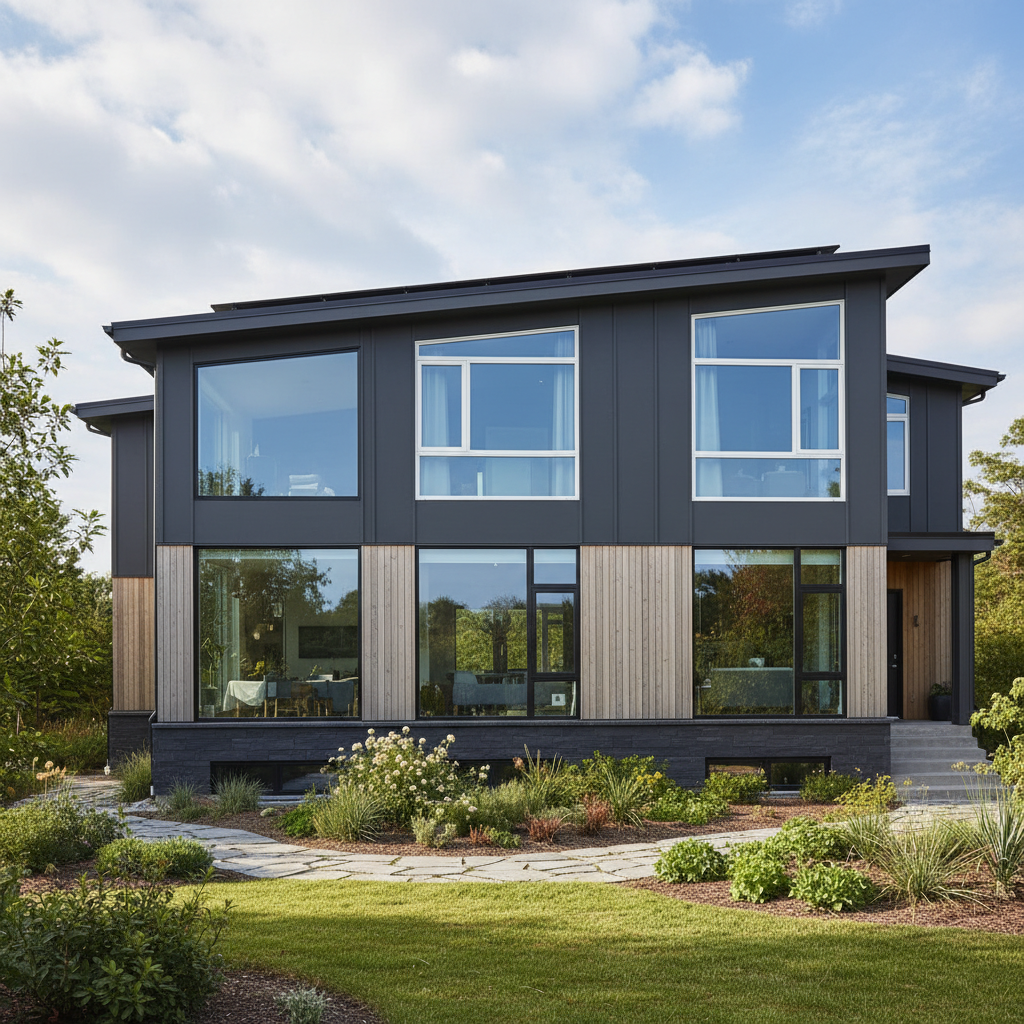
Innovative Window Designs for Maximum Energy Savings
Innovative window designs play a pivotal role in enhancing energy efficiency in modern homes, with advancements that can lead to energy savings of up to 40 percent. One such innovation is the use of triple-glazed windows, which feature an additional layer of glass filled with argon gas. This design significantly reduces heat transfer, keeping homes warmer in winter and cooler in summer. Additionally, the incorporation of low-emissivity (Low-E) coatings helps reflect infrared light, further improving insulation without sacrificing natural light.
Another groundbreaking design is the introduction of window frames made from composite materials or insulated vinyl. These frames offer superior insulation properties compared to traditional wood or aluminum options, minimizing energy loss. Moreover, operable windows with built-in ventilation systems allow homeowners to harness natural breezes, reducing reliance on air conditioning systems. By investing in these innovative window styles, homeowners not only contribute to a sustainable environment but also enjoy reduced energy bills and increased comfort year-round.
The Role of Double Glazing in Reducing Energy Costs
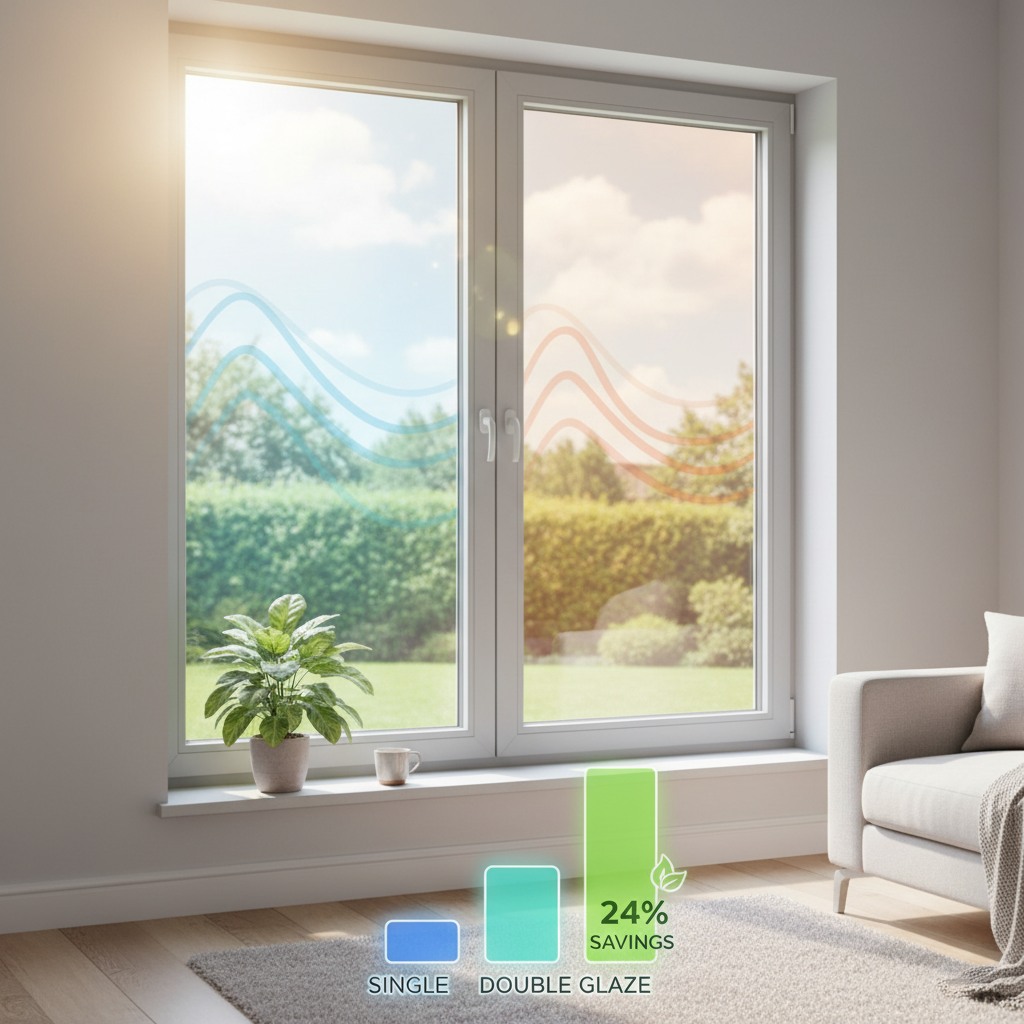
Double glazing plays a pivotal role in enhancing the energy efficiency of homes by significantly reducing energy costs. According to the Department of Energy in the U.S., homes with double-glazed windows can save up to 24% on heating costs compared to single-glazed options. This is primarily due to the insulating properties of the air or gas-filled space between the two panes of glass, which minimizes heat loss in winter and prevents heat from entering during summer months. These energy savings not only lower utility bills but also contribute to a reduced carbon footprint.
Furthermore, a report by the National Fenestration Rating Council emphasizes that double-glazing can enhance overall comfort in living spaces. With energy loss decreased, homes maintain a more consistent temperature, which is crucial for comfort. Additionally, the installation of high-quality double-glazed windows can increase property value, as energy-efficient homes are increasingly sought after in the real estate market. As homeowners prioritize sustainability, investing in double-glazed windows not only provides immediate financial benefits but also serves as a long-term strategy for energy conservation.
Choosing the Right Frame Material for Energy Efficiency
When selecting window frames for energy efficiency, the choice of material plays a crucial role. Hard PVC, for instance, is emerging as a popular option due to its excellent thermal insulation properties. As the global market for rigid PVC doors and windows is projected to reach $18.96 billion by 2025, with an estimated growth to $44.26 billion by 2035 at a CAGR of 8.9%, it underscores the increasing demand for energy-efficient solutions in residential construction.
In addition to PVC, other materials such as fiberglass and wood also contribute to enhanced energy efficiency. Fiberglass frames are known for their strong insulating capabilities, which significantly reduce heating and cooling costs. Similarly, wooden frames provide natural insulation but may require additional maintenance. By understanding the unique benefits of each frame material, homeowners can make informed decisions that not only improve energy efficiency by up to 40 percent but also promote sustainability in their living spaces.
Top 10 House Windows Styles That Enhance Energy Efficiency by 40 Percent
This chart illustrates the energy efficiency improvements offered by different house window styles when paired with suitable frame materials. The values are based on comparative research in the field of energy-efficient design.
Enhancing Insulation with Specialized Window Technologies
When it comes to enhancing energy efficiency in homes, specialized window technologies play a crucial role in insulation improvement. According to the Efficient Windows Collaborative, upgrading to high-efficiency windows can reduce heating and cooling costs by up to 15% when compared to standard double-pane models. The integration of Low-E (low emissivity) coatings, which reflect radiant heat while allowing light to enter, is one of the most effective methods for achieving better thermal performance. In climates with extreme temperatures, these coatings can enhance a window's insulation properties by as much as 40%.
Another innovative technology gaining traction is triple glazing, which involves three panes of glass instead of the conventional two. This design significantly reduces heat transfer and can result in energy savings of up to 30%, especially in colder regions. The National Renewable Energy Laboratory reports that homes equipped with triple-glazed windows have a noticeably lower energy consumption profile, leading to reduced reliance on heating systems. In addition, argon gas fills between the panes improve thermal insulation further, making homes not only more comfortable but also more eco-friendly. By investing in these advanced window technologies, homeowners can take significant strides towards energy efficiency and sustainability.
Evaluating the Benefits of Low-E Coatings on House Windows
Low-emissivity (Low-E) coatings have revolutionized the way we think about energy efficiency in home windows. These thin, invisible layers are designed to reflect heat while allowing natural light to enter, optimizing the home's temperature control. By minimizing the transfer of radiant heat, Low-E coatings can reduce heating and cooling costs significantly—often by up to 40%. This technology benefits homeowners not only by improving comfort levels throughout the seasons but also by decreasing reliance on heating and air conditioning systems.
In addition to energy savings, Low-E coatings contribute to enhanced UV protection. They can block up to 99% of harmful ultraviolet rays, safeguarding furniture, carpets, and artwork from fading. This not only maintains the aesthetic integrity of the home but also prolongs the lifespan of interior items. Furthermore, many states offer tax incentives or rebates for homeowners who invest in energy-efficient windows, making Low-E coated windows not just a smart choice for energy conservation but also a financially savvy investment in home improvement.