How to Install Fixed Windows for Improved Home Energy Efficiency?
Installing fixed windows can significantly enhance your home’s energy efficiency. These windows, designed for maximum insulation, often outperform traditional sliding or double-hung variants. They create a robust barrier against outdoor elements, saving you money on heating and cooling costs.
Homeowners may hesitate at the thought of installation. It can seem daunting, but the benefits are worth it. Fixed windows allow more natural light into spaces, creating a warm and inviting environment. Many are surprised by how much air leaks through older window designs. Fixed windows eliminate this problem, leading to a more comfortable living space.
Choosing the right materials and designs for fixed windows is crucial. It requires careful consideration of your home's architecture and climate. Improper installation can lead to regrets later on, so expertise is essential. Crafting airtight seals ensures optimal performance, and that’s worth the effort. Thus, transforming your home with fixed windows can be a noble investment for long-term energy savings.
How Fixed Windows Enhance Home Energy Efficiency Metrics
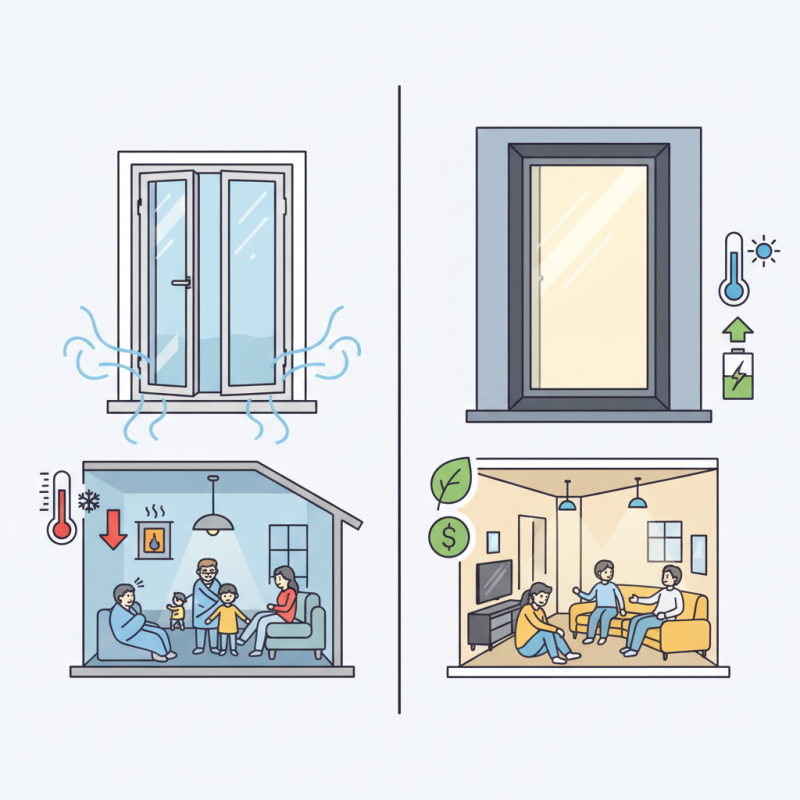
Fixed windows are a popular choice for improving home energy efficiency. These windows are stationary and do not open, which helps in minimizing air leaks. By having a sealed unit, they offer greater insulation compared to operable windows. This can lead to significant reductions in heating and cooling costs.
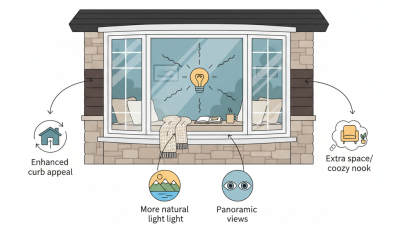
Additionally, fixed windows can enhance natural light in living spaces. This allows homeowners to rely less on artificial lighting during the day. More daylight can improve mood and create a warm atmosphere. However, there might be concerns about ventilation. Homeowners should consider the balance between light and airflow.
In terms of design, fixed windows come in various styles. They can complement any architectural style, enhancing curb appeal. However, every home has unique requirements. Proper installation is crucial to avoid issues like condensation and structural weaknesses. It is essential to seek experienced professionals for the best results.
Understanding Energy Loss: The Role of Windows in Residential Efficiency
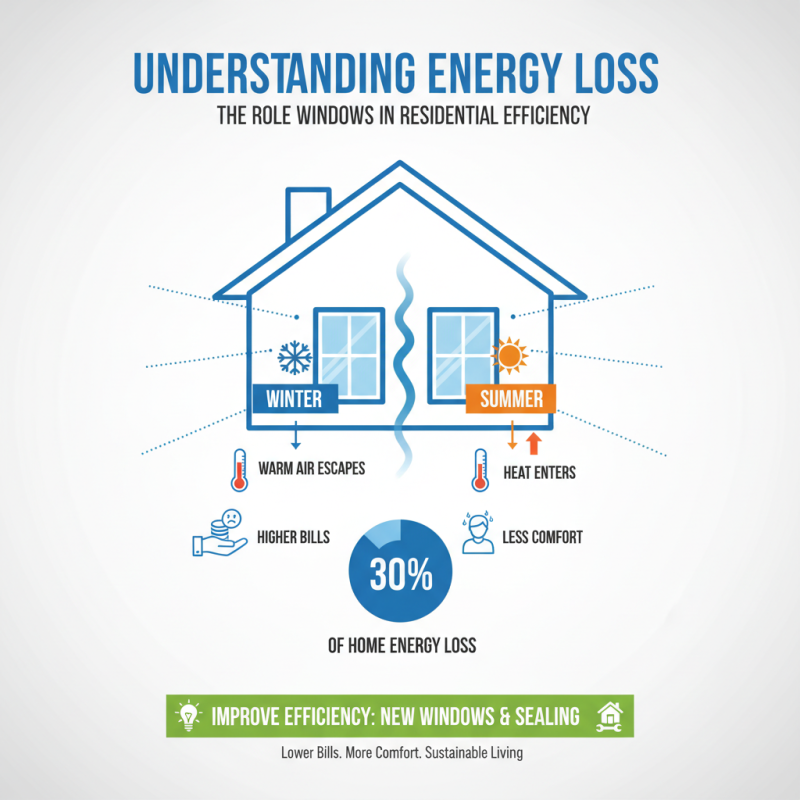
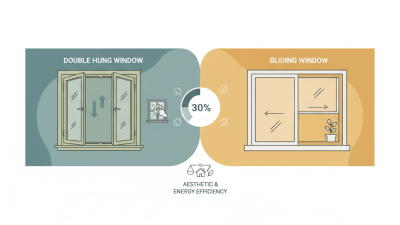
Windows play a crucial role in residential energy efficiency. They can account for up to 30% of a home's energy loss. Old or poorly sealed windows let warm air escape in winter and allow heat to enter during summer. This means higher energy bills and a less comfortable living environment. It is essential to understand how to improve your home's efficiency through window installation.
When choosing windows, opt for double or triple glazing. These windows have multiple layers of insulation. They create a barrier against outdoor temperatures. Also, consider low-emissivity coatings. These reflect heat back into your home. The result is less energy spent on heating and cooling.
Tips: Regularly check window seals. Drafts can indicate air leaks. If gaps exist, you might need additional insulation. Window treatments also help manage indoor temperatures. Use curtains and shades to block sunlight in summer. During winter, let the sun in to warm your space. Simple adjustments can lead to significant savings. Remember, small changes can yield great results.
Selecting the Right Fixed Window Materials: Insulation and Performance Ratings
Selecting the right materials for fixed windows is crucial for energy efficiency.
Insulation quality determines how well your home retains heat or cool air. Look for materials with high R-values, indicating strong insulation.
Vinyl, fiberglass, and wood are popular choices, each offering different benefits.
Vinyl is cost-effective and low maintenance.
Fiberglass provides superior durability, while wood adds aesthetic value.
Performance ratings are just as important.
Check for air infiltration ratings, which indicate how much air leaks around the window frame.
Lower ratings mean better energy performance. You should also consider the solar heat gain coefficient (SHGC).
A lower SHGC is ideal for hot climates, reducing cooling costs. In contrast, a higher SHGC can be beneficial in colder areas.
Sometimes, installation quality can overshadow even the best materials.
Poorly sealed windows can become a source of drafts. It's essential to hire skilled professionals who understand energy-efficient practices.
Reflecting on your specific climate and home design is key.
Choose materials that align with these elements for optimal efficiency.
Installation Process: Step-by-Step Guide for Optimal Energy Savings
Installing fixed windows can significantly enhance your home's energy efficiency. According to the U.S. Department of Energy, roughly 30% of a home's heating energy is lost through windows. Proper installation is critical for optimizing energy savings, requiring attention to detail at every step.
Start by measuring your window openings accurately. Incorrect measurements can lead to gaps, causing air leaks. Experts recommend using a laser level for precise alignment. Next, ensure the rough opening is clean and void of debris. This prevents any obstructions during installation. Choose high-quality insulation materials to fill any gaps. Reports indicate that homes with well-sealed windows can see energy bills reduced by up to 25%.
Before installation, review any local building codes. Some may require permits or specific insulation materials. Install your fixed windows according to the manufacturer’s guidelines, ensuring a snug fit. Even a small misalignment can affect performance. Seal around the window with high-performance sealants to keep out moisture. Regularly review your installation work to identify potential shortcomings. Would sealing them differently enhance efficiency? Continual assessment can lead to better results in the long run.
Maintenance Tips to Maximize the Lifespan and Efficiency of Fixed Windows
Maintaining fixed windows is crucial for enhancing home energy efficiency. Regular care can significantly extend their lifespan and performance. According to the U.S. Department of Energy, well-maintained windows can save homeowners between 10% to 15% on energy bills. The integrity of the glazing, seals, and frames directly impacts performance.
One effective tip is to inspect window frames for any signs of wear and damage. Look for gaps or cracks that might allow air leakage. Seal these areas promptly to prevent heat loss. Additionally, regular cleaning of the window surface will improve light penetration and efficiency. A dirty window can block up to 25% of the available light, reducing potential energy gains.
Another important factor is weather stripping. Ensuring your fixed windows are properly sealed with high-quality weather stripping can reduce drafts. It is advisable to replace worn-out weather stripping at least every few years to maintain optimal conditions. Small changes can make a big difference in energy efficiency. Over time, neglecting these details may lead to larger issues, both in cost and comfort.