
Top Carport Canopy Manufacturers for Global Buyers
Choosing reliable Carport Canopy manufacturers requires more than comparing prices or browsing attractive product photos. Global buyers must examine material grades, engineering details, factory experience, and after-sales support. A dependable supplier should explain frame thickness, fabric weight, wind resistance, snow-load capacity, drainage design, and installation requirements clearly. Vague specifications deserve caution.
Mark A. Smith, a veteran outdoor-structure consultant, says, “A carport is only as dependable as the details buyers cannot see.” That observation matters. Weld quality, galvanized coatings, reinforced corners, and UV protection often determine performance after years of rain and sunlight. A polished brochure cannot replace inspection records, test reports, and consistent communication.
This guide introduces leading Carport Canopy manufacturers serving international customers. It considers production capability, customization, certifications, packaging, delivery experience, and customer feedback. Some manufacturers excel at large commercial projects. Others provide practical systems for homes, farms, dealerships, or temporary events. The best choice depends on climate, land conditions, local installation skills, and intended service life.
There is no perfect supplier.
Even experienced buyers can overlook small details. A low-cost canopy may require stronger anchoring. A premium fabric may still fail when poorly tensioned. Regional standards also differ, so buyers should verify requirements with qualified local professionals before ordering. These comparisons aim to support careful decisions, not replace technical due diligence. A trustworthy manufacturer welcomes difficult questions, provides usable documents, and admits where its system has limits. That honesty can matter more than a confident sales promise.
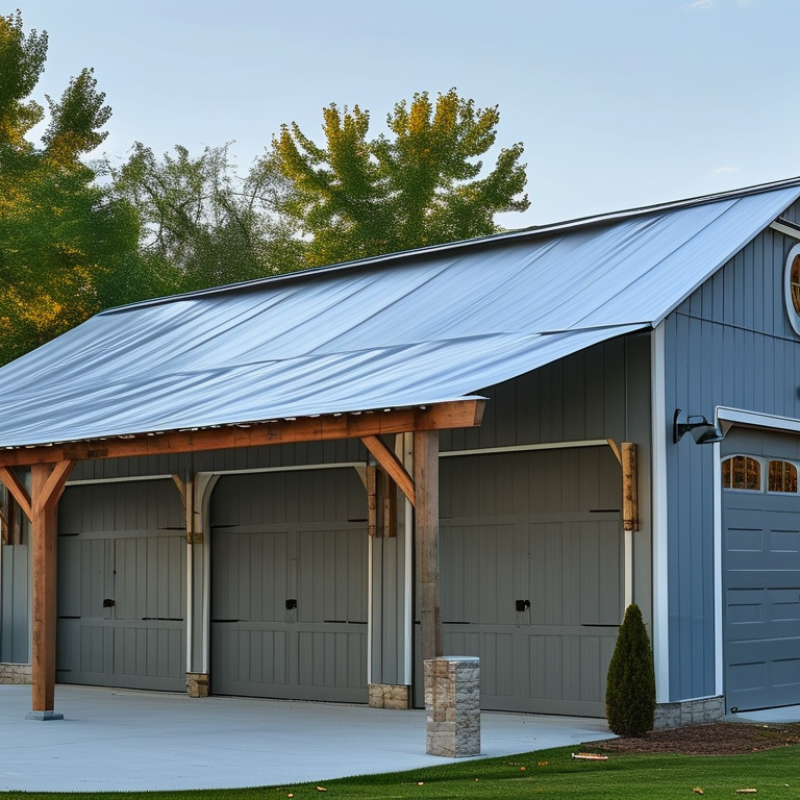
Carport Canopies: Types, Uses, and Global Market Overview
Carport canopies combine parking protection with practical site design. Common types include attached, freestanding, cantilever, and solar-ready structures. Attached models suit homes and small offices. Freestanding canopies cover larger parking fields. Cantilever systems leave columns on one side, improving vehicle access. Solar canopies add photovoltaic panels above parked cars, while also reducing direct heat and rain exposure.
Use depends on local conditions. A coastal project needs corrosion-resistant coatings and carefully sealed joints. Snow regions require stronger beams, steeper drainage, and verified load calculations. Hot climates benefit from shaded parking and reflective roofing. The IEA PVPS Trends in Photovoltaic Applications 2024 report recorded more than 400 gigawatts of global solar additions in 2023. This growth supports interest in solar carports, although available roof area does not always equal usable solar capacity. A real site survey still matters.
Electric-vehicle charging is another expanding application. The IEA Global EV Outlook 2024 reported almost 14 million electric car sales worldwide in 2023. Canopies can provide shade, cable management, lighting, and charging equipment in one layout. IRENA’s Renewable Capacity Statistics 2024 identified solar power as the largest source of new renewable capacity in 2023. Global procurement remains uneven. Wind standards, drainage rules, fire requirements, and grid connection procedures differ widely. Market reports also classify carports inconsistently, making direct comparisons imperfect. That limitation deserves attention. A reliable buyer should request structural calculations, material specifications, warranty terms, installation records, and maintenance plans before comparing prices.
Top Carport Canopy Manufacturers for Global Buyers - Carport Canopies: Types, Uses, and Global Market Overview
| Canopy Category | Typical Configuration | Common Materials | Primary Applications | Key Buyer Requirements | Global Market Suitability |
|---|---|---|---|---|---|
| Freestanding Carport | Independent posts with a roof supported separately from existing buildings | Galvanized steel, powder-coated steel, aluminum, polycarbonate or coated metal roofing | Residential driveways, apartment parking, commercial parking areas | Foundation method, vehicle clearance, drainage, local wind and snow-load calculations | Suitable for new-build sites and locations without an adjacent structural wall |
| Attached Carport | Roof structure connected to a house, garage or commercial building | Steel or aluminum framing with metal, polycarbonate or membrane roofing | Home entrances, side parking, retail and office facilities | Wall connection details, waterproof flashing, building approval and load transfer | Efficient where space is limited and an existing load-bearing wall is available |
| Portable or Temporary Canopy | Demountable frame, commonly using tensioned fabric or modular components | Powder-coated steel, galvanized tubing, PVC-coated polyester fabric | Events, seasonal parking, dealerships, construction and emergency use | Anchoring, UV resistance, flame performance, packing size and assembly time | Useful for short-term or relocatable applications, subject to local weather limits |
| Fabric-Membrane Canopy | Tensioned or arched roof supported by steel or aluminum frames | PVC-coated polyester, PTFE-coated fiberglass, structural steel or aluminum | Airports, stadiums, shopping centers, public parking and walkways | Fabric specification, pretensioning, drainage, fire classification and structural engineering | Well suited to large spans and architectural projects requiring reduced visual weight |
| Solar Carport Canopy | Parking canopy integrating photovoltaic modules above vehicle bays | Hot-dip galvanized steel or aluminum, photovoltaic glass modules, inverters and cabling | Commercial parking, fleet depots, workplaces and charging facilities | Electrical design, grid connection, drainage, maintenance access and snow/wind loads | Appropriate where parking space and solar generation must be combined |
| Double-Bay or Multi-Bay System | Shared structural columns serving two or more vehicle spaces | Galvanized steel, aluminum, coated steel roofing or photovoltaic modules | Shopping centers, schools, residential developments and fleet parking | Bay spacing, traffic flow, column protection, drainage and modular expansion | Cost-efficient for repeated parking layouts and large installation programs |
Global Buyer Evaluation Dimensions
| Evaluation Dimension | What to Verify Before Purchase | Why It Matters Internationally |
|---|---|---|
| Structural Design | Engineering drawings, member sizes, connection details and stated design loads | Wind, snow, seismic and soil conditions vary significantly by project location |
| Corrosion Protection | Galvanizing method, coating thickness, powder-coating system and salt-exposure suitability | Coastal, humid and industrial environments can accelerate steel corrosion |
| Roof Performance | Waterproofing, UV resistance, fire performance, drainage and maintenance requirements | Roofing requirements depend on climate, building regulations and intended service life |
| Customization | Vehicle dimensions, bay count, height, colors, lighting, gutters and accessibility features | Local parking layouts and vehicle types may require project-specific dimensions |
| Compliance Documentation | Material certificates, structural calculations, installation manuals and test reports | Documentation supports permitting, inspection, insurance and customs procedures |
| Supply and Installation | Incoterms, packaging, container loading, spare parts, lead time and installation support | International projects require clear responsibility for shipping and site installation |
Common Technical and Regulatory References
| Reference Area | Examples of Applicable References | Typical Project Use |
|---|---|---|
| Structural Steel Design | Eurocodes, American Institute of Steel Construction provisions, or the applicable national structural code | Member sizing, connections, stability and load combinations |
| Wind and Snow Loads | Local building regulations and recognized wind or snow-load standards | Determining roof uplift, lateral resistance and accumulated snow capacity |
| Steel Coating | ISO 1461 for hot-dip galvanized coatings and ISO 12944 for protective paint systems | Defining corrosion protection and expected environmental exposure category |
| Photovoltaic Integration | Applicable photovoltaic module, inverter, wiring and grid-connection requirements | Electrical safety, energy performance and connection to the local utility network |
Ontario launching new 12-year rebate program