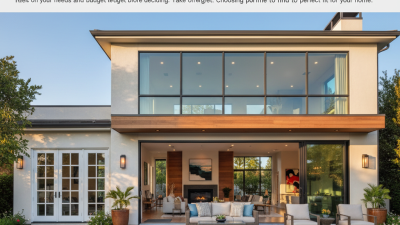
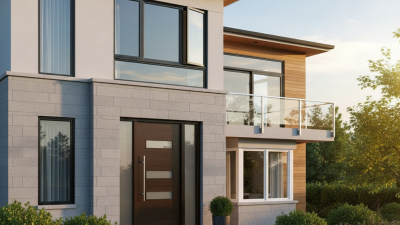
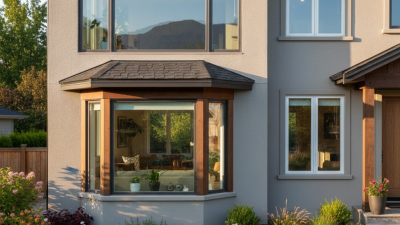
Top 10 Home and Windows Design Ideas for Your Next Renovation?
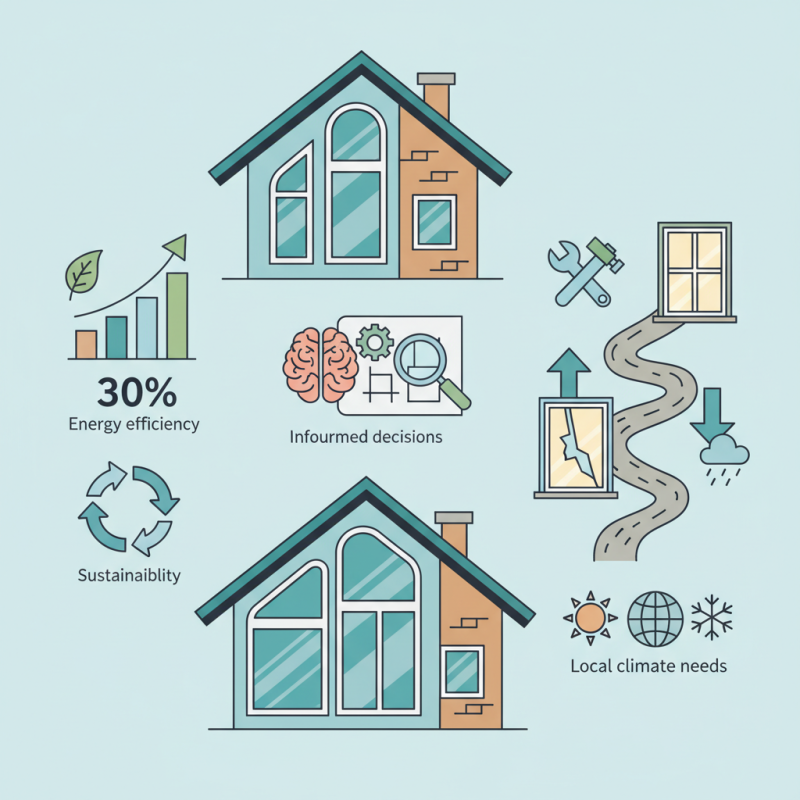
As homeowners embark on renovations, the design of home and windows plays a pivotal role. According to a recent report from the National Association of Home Builders, effective window design can enhance energy efficiency by up to 30%. This statistic underscores the importance of making informed decisions in home renovations.
Expert architect, Sarah Thompson, emphasizes, "Innovative window designs not only improve aesthetics but also contribute to energy savings." Her insight reflects a growing trend towards sustainable living. As homeowners seek to balance beauty and functionality, they're increasingly opting for designs that meet high standards of performance.
However, the journey isn’t always smooth. Many potential pitfalls, like choosing the wrong materials or neglecting local climate needs, can arise. It’s essential to reflect on these challenges, ensuring that designs align with practical living experiences. With thoughtful planning, the aspiration for a stunning home and windows can indeed transform into reality.
Innovative Color Schemes to Transform Your Home's Atmosphere
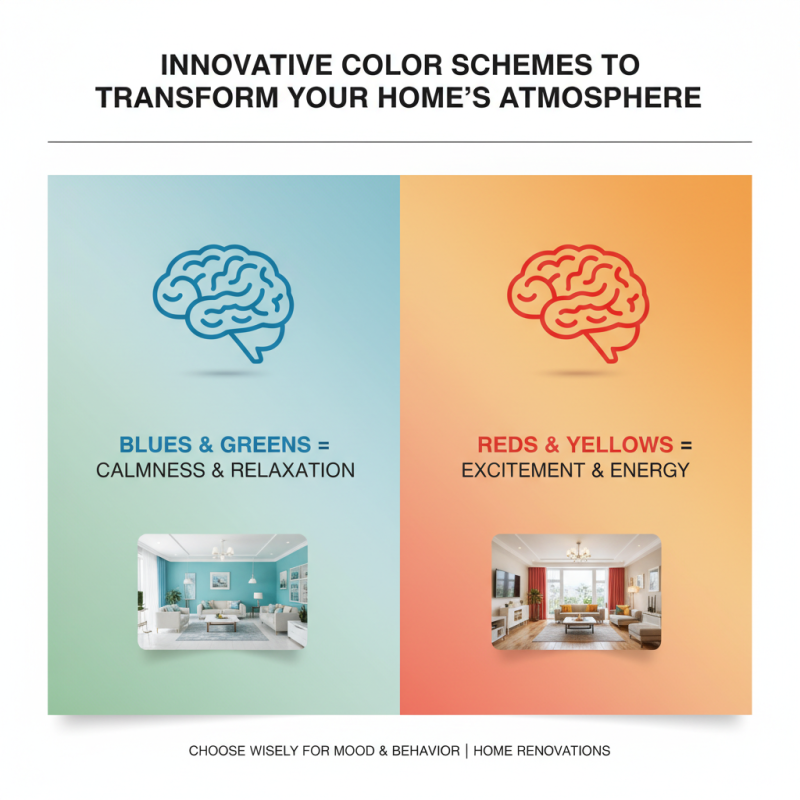
Choosing the right color scheme can dramatically change a home's atmosphere. Recent studies show that colors influence mood and behavior. For example, blues and greens can evoke calmness. In contrast, reds and yellows may trigger excitement. Homeowners should consider these effects during their renovations.
A report by the Color Marketing Group indicates that 45% of homeowners prioritize color when choosing decor. Popular trends include soft neutrals and vibrant accents. These combinations create depth and personality. For instance, pairing a muted gray with bold teal can produce a stunning contrast. However, making bold color choices can sometimes feel overwhelming.
Lighting also plays a key role. The right illumination can enhance a color's presence. For example, natural light brings warmth to soft hues. Conversely, fluorescent lighting may wash out vibrant tones. It's essential to test paint samples under different lighting conditions. Homeowners often overlook this, leading to regrets later. Engaging with color choices thoughtfully can lead to a more harmonious living space.
Incorporating Natural Light Through Smart Window Design
When renovating your home, consider how natural light can enhance your space. Smart window design is crucial. Large, strategically placed windows invite sunlight inside. Imagine warm rays filtering through your living room, creating a cozy atmosphere. Skylights can also work wonders. They bring light to areas that often feel dark and cramped.
It's important to think about window placement. A north-facing window offers soft, diffused light, while south-facing windows provide brighter illumination. Experiment with different sizes and shapes. A tall, narrow window can create an intriguing visual effect, even if it seems unconventional. Don't overlook the importance of window treatments. Sheer curtains can soften harsh sunlight while preserving brightness.
While maximizing natural light is essential, balance is key. Overexposure to sunlight can fade fabrics and artworks. Reflect on your space’s layout and how light interacts with it. What works in one room might not work in another. Consider your lifestyle and how light moves throughout the day. This reflection can guide your choices, ensuring your renovation maximizes light while maintaining comfort.
Sustainable Materials for Eco-Friendly Home Renovations
When considering eco-friendly home renovations, sustainable materials shine as a crucial choice. Bamboo flooring offers an attractive, durable option. It grows quickly and is easily renewable. Recycled metal roofing turns waste into a stylish solution for homes. Using reclaimed wood creates a warm, rustic feel, but sourcing it can be tricky. These materials tell a story, yet finding the right supplier may require extra effort.
Another interesting option is natural stone. Its unique patterns add charm, but installation can be expensive. Moreover, low-VOC paints are vital for healthier indoor air quality, reducing harmful emissions. They come in a range of colors but may not hold up as long as traditional options. Balancing aesthetics and sustainability can be challenging, leading many to overthink their choices.
Making eco-friendly decisions isn’t always straightforward. Every choice has trade-offs. The process can feel overwhelming at times. Despite the difficulties, embracing sustainable materials is a step toward responsible living. Your home can reflect your values while also inspiring conscious decisions for the future.
Open Concept Layouts for Modern Living Spaces
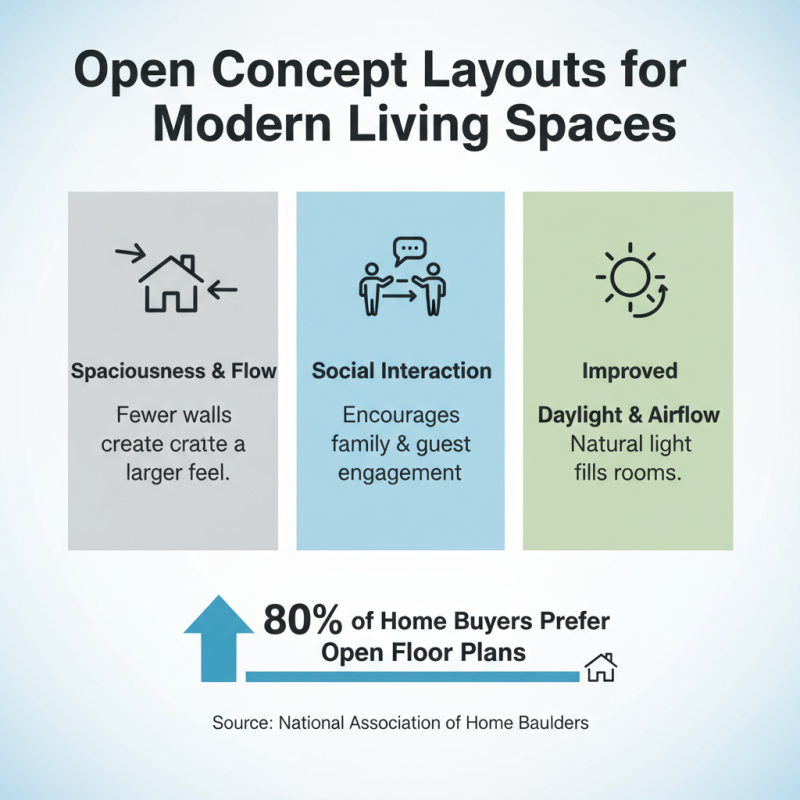
Open concept layouts have become a staple in modern home design. They create a sense of spaciousness and encourage social interaction. According to a report by the National Association of Home Builders, about 80% of home buyers prefer open floor plans. This trend reflects a shift in how people use their living spaces. With fewer walls, homeowners can enjoy better daylight and airflow.
When designing your open layout, consider the flow between areas. A well-thought-out transition can connect your living room, dining room, and kitchen seamlessly. Use colors and textures to create visual boundaries. For example, a rustic dining table can anchor the eating area, while a bold rug can define the seating space.
Tips:
- Incorporate multifunctional furniture. This can enhance space utility.
- Avoid clutter to maintain the serene vibe of open spaces.
Remember, not every home suits an open layout perfectly. Older houses sometimes struggle with this design due to structural constraints. Reflect on your layout's practicality before making changes. Your renovation should suit both your style and needs.
Creative Use of Textures to Enhance Interior Design
Textures play a crucial role in interior design. They can transform a space from dull to dynamic. According to the American Society of Interior Designers, 60% of interior design professionals emphasize texture as a key element. Using various textures can enhance the sensory experience of a room. For example, combining a smooth leather sofa with a chunky knit throw adds depth and interest.
Natural materials are particularly effective. Wood, stone, and textiles create warmth and comfort. A recent study shows that homeowners who incorporate these elements report a 30% increase in satisfaction with their living spaces. Yet, achieving balance is challenging. Overly textured spaces can feel chaotic or overwhelming. It's essential to select a few key textures that complement each other without competing.
Consider layering different surfaces. A sleek glass coffee table can pair well with a woven jute rug. This contrast creates visual intrigue. However, it's important to be mindful of the overall aesthetic. Too many textures can clash. Sometimes, simplicity is better. Focusing on two or three textures often yields more harmonious results. Thoughtful texture integration can elevate your home’s design and make it truly unique.
Top 10 Home and Windows Design Ideas for Your Next Renovation
| Design Idea |
Description |
Texture Type |
Color Palette |
| Natural Wood Accents |
Incorporate reclaimed wood for a rustic feel. |
Rough, Textured |
Earth Tones |
| Geometric Patterns |
Use geometric wallpaper to create visual interest. |
Smooth, Graphic |
Bold Primary Colors |
| Textured Fabrics |
Incorporate velvet and linen for upholstery. |
Soft, Plush |
Muted Pastels |
| Glass and Transparency |
Utilize frosted glass for privacy and elegance. |
Smooth, Clear |
Neutral Shades |
| Metal Accents |
Integrate metal fixtures for a modern touch. |
Shiny, Reflective |
Monochrome |
| Indoor Plants |
Use greenery to add life and softness. |
Natural, Organic |
Vibrant Greens |
| Accent Walls |
Choose a bold color or texture to highlight a wall. |
Textured, Painted |
Rich Jewel Tones |
| Handmade Tiles |
Incorporate artisanal tiles for unique flooring. |
Rough, Varied |
Warm Earth Tones |
| Layered Lighting |
Use multiple light sources for depth and ambiance. |
Soft, Diffused |
Warm Whites |
| Bold Artwork |
Feature large paintings or sculptures as focal points. |
Varied, Diverse |
Contrasting Colors |