Top Tips for Choosing the Best Residential Windows?
Choosing the right residential windows is crucial for any homeowner. New windows can enhance your home's aesthetics and energy efficiency. However, making the best choice can be overwhelming. Many options are available, each with unique benefits and drawbacks.
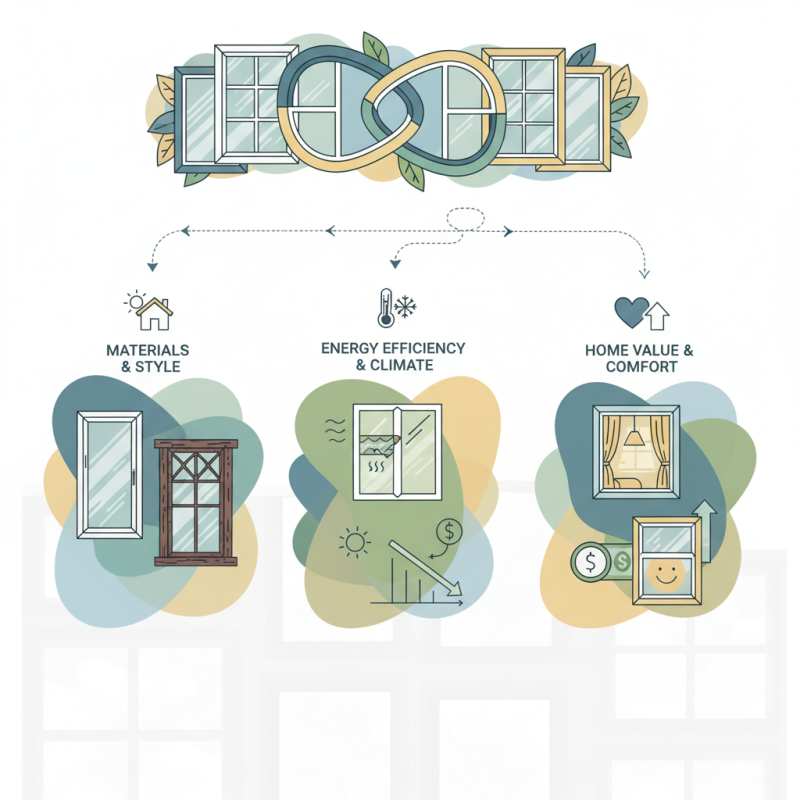
When selecting residential windows, consider the materials, styles, and energy ratings. For instance, vinyl windows are low-maintenance but may lack the warmth of wood. On the other hand, wood windows add charm but require regular upkeep. Your choice should reflect your lifestyle and home design.
Additionally, think about the climate in your area. Windows with good insulation can reduce energy costs. However, you might need to compromise aesthetics for performance. Remember that the right windows not only improve your home's look but also its comfort and value. Make an informed decision, and your residential windows will serve you well for years.
Understanding Different Types of Residential Windows and Their Features
When choosing residential windows, it's crucial to understand the various types available. Each window style offers unique features that can affect both aesthetics and energy efficiency. For instance, double-hung windows allow for excellent ventilation and are easy to clean. A sliding window can save space and provides a modern look. Casement windows are known for their superior energy efficiency, as they create a tight seal when closed.
Tips for selection: Assess your local climate. If you live in a colder area, consider windows with high thermal insulation qualities. In contrast, warmer regions may benefit from windows with UV protection. Think about your home's architectural style. The right windows should complement rather than clash with your design.
Consider maintenance needs as well. Vinyl windows require less upkeep, while wood options may need regular painting or sealing. Make sure to check the warranty options as well. A good warranty can save you money over time. Balancing style, energy efficiency, and maintenance can be challenging and may require revisiting your choices. Engaging with professionals can help clarify what works best for your space.
Top Tips for Choosing the Best Residential Windows
Factors to Consider When Choosing Window Materials for Your Home
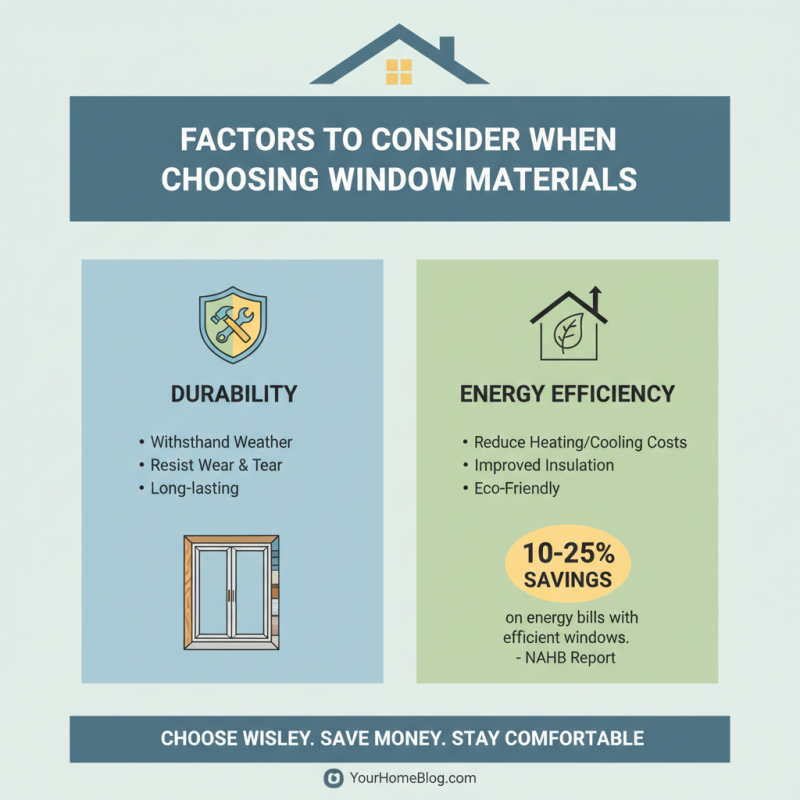
When selecting window materials for your home, consider durability and energy efficiency. According to a report by the National Association of Home Builders, energy-efficient windows can reduce heating and cooling costs by 10-25%. This stat reflects the importance of choosing the right windows that can withstand varying weather conditions.
Vinyl is popular for residential windows due to its low maintenance and excellent insulation properties. It does not warp or crack easily, making it suitable for many climates. However, vinyl windows may not always match the aesthetic preferences of every homeowner. On the other hand, wood offers a classic look but requires more upkeep. Wood windows can last long if properly maintained, but neglect can lead to rot and costly repairs.
Consider the long-term implications of your choice. A report from the Department of Energy suggests that the initial cost of higher-quality windows pays off over time in energy savings. You might save money on bills, but the wrong material may lead to hidden costs down the line. Think about factors such as local climate and home style before making a decision. Each material has pros and cons, and making an informed choice is crucial.
Assessing Energy Efficiency Ratings for Residential Windows
When choosing residential windows, energy efficiency ratings are crucial. These ratings tell you how well a window performs in terms of insulation and heat transfer. Look for the U-factor, which measures heat loss. Lower values indicate better insulation. Similarly, consider the Solar Heat Gain Coefficient (SHGC). This number shows how much solar heat enters your home. A lower SHGC is often better for cooling climates.
Another important aspect is Energy Star certification. Windows that meet these criteria provide reliable performance and energy savings. However, these standards can vary by region. Be mindful of your specific climate needs. Sometimes, windows that work well in one area might not be efficient in another. Research your local weather patterns before making a decision.
It’s easy to overlook these ratings amid aesthetic choices. Yet, focusing on energy efficiency can save money long-term. Poor choices might lead to higher energy bills. While aesthetics matter, don’t forget practicality. Each window must serve a purpose, helping maintain a comfortable home environment. Take the time to assess your options carefully. This investment impacts your comfort and finances.
Importance of Window Styles and Aesthetics in Home Design
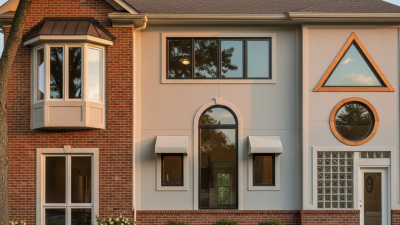
Choosing windows for your home goes beyond functionality. Their style and aesthetics play a crucial role in your overall design. Windows are the eyes of your home. They influence both curb appeal and interior ambiance.
Your choice can convey a modern, traditional, or rustic look. For instance, large, expansive windows provide a contemporary feel. They allow more light and connect indoor space with nature. However, they may lack privacy. Smaller, divided windows may offer a charming, vintage vibe. Both styles have their pros and cons.
Consider the architectural style of your home. If you have a classic design, double-hung or casement windows may fit best. For a modern look, sleek, minimalist styles could work wonders. Don’t forget about color and finish. Warm hues can add coziness. Cool shades can create a striking contrast. Keep in mind that aesthetics can sometimes overwhelm practicality. Always balance beauty with the comforts of function.
Top Tips for Choosing the Best Residential Windows
| Window Style |
Aesthetic Appeal |
Energy Efficiency |
Durability |
Cost |
| Double-Hung |
Classic and versatile |
Good |
High |
$$ |
| Casement |
Sleek and modern |
Excellent |
Very High |
$$$ |
| Sliding |
Contemporary look |
Good |
Medium |
$ |
| Picture |
Elegant and unobstructed views |
Excellent |
High |
$$$ |
| Awning |
Modern with unique angles |
Good |
High |
$$ |
Evaluating Installation and Maintenance Options for New Windows
When evaluating installation and maintenance options for new windows, proper planning is vital. Choosing the right installation method can significantly impact performance and longevity. Ensure your windows are installed by a qualified professional. They should follow industry standards to secure proper insulation and sealing, reducing energy costs.
Consider the maintenance required for your windows. Some materials demand more upkeep than others. For example, wooden frames need regular painting to stay protected. Conversely, vinyl frames require less maintenance but may not provide the same aesthetic appeal. Assess your lifestyle and willingness to maintain.
Here are some tips to reflect on during your decision-making:
- Check local climate conditions when selecting window types.
- Choose energy-efficient options to reduce heating and cooling costs.
- Prioritize windows that offer a good warranty
, showcasing the manufacturer's confidence in their product.
- Always aim for quality over price
; savings on installation can lead to bigger costs later.