As we look ahead to 2025, the doors and windows industry is poised for transformative trends that reflect evolving consumer preferences, technological advancements, and sustainability goals. Renowned expert in architectural design, Dr. Emily Carter, emphasizes the significance of these changes, stating, "The future of doors and windows is not just about functionality; it’s a blend of design innovation and environmental responsibility." This sentiment echoes throughout the industry as designers and manufacturers strive to create products that enhance both aesthetics and energy efficiency.
In recent years, we have witnessed a shift towards more versatile and smart door and window solutions that cater to diverse lifestyles. From automated features that provide enhanced security to eco-friendly materials that promote sustainability, the landscape of doors and windows is rapidly adapting to meet modern demands. As we delve into the top trends shaping this industry, it becomes clear that these innovations are not merely trends but essential components of future living environments. As we explore these developments, we will unveil what homeowners and builders should anticipate in the coming years, ensuring that they remain ahead in this ever-evolving market.
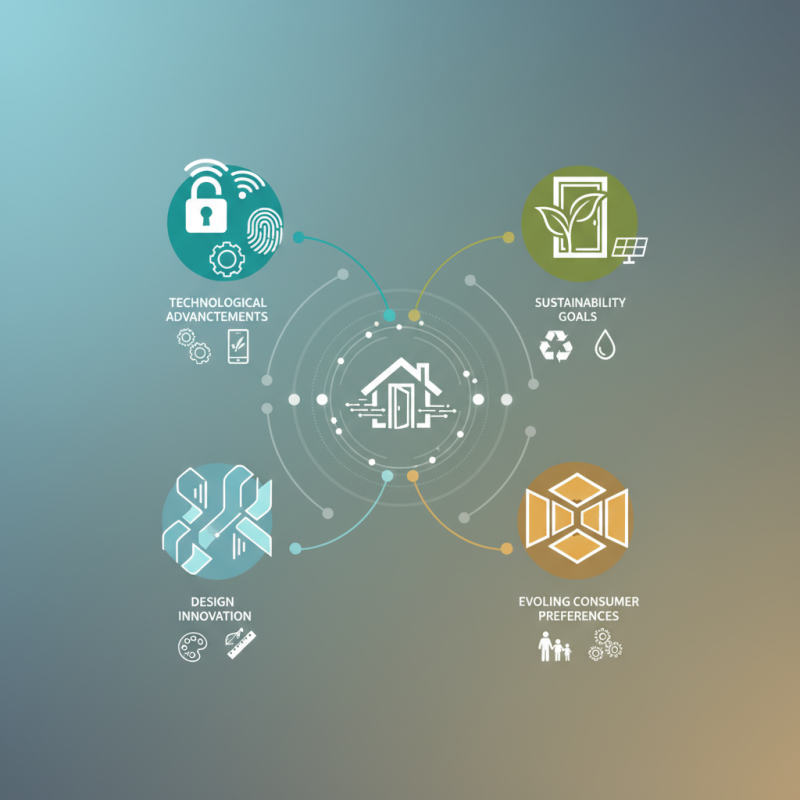
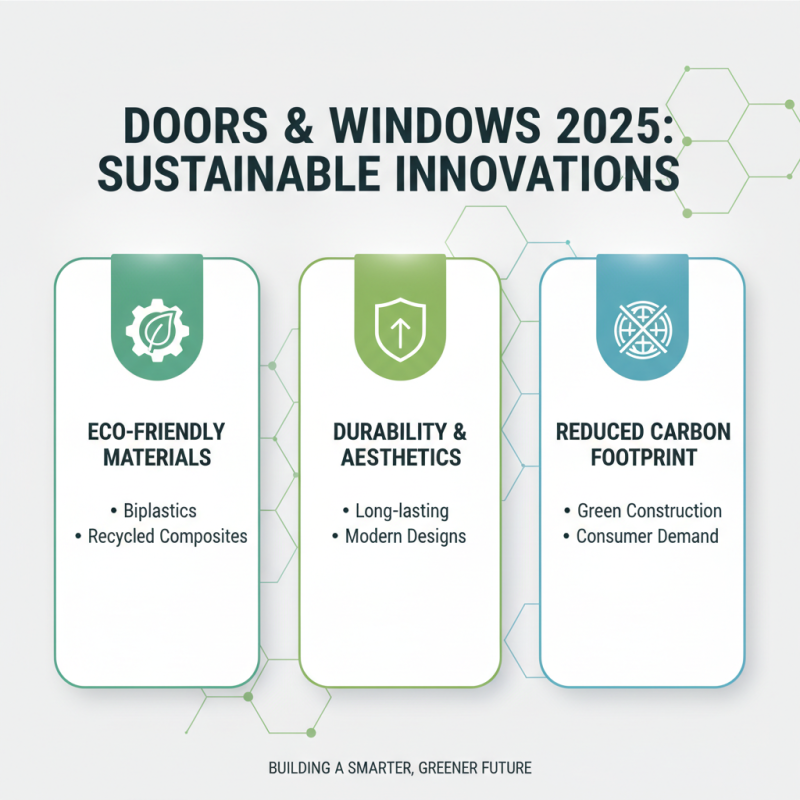
As we look towards 2025, the landscape of doors and windows is set to evolve significantly with emerging materials and technologies. One of the most prominent trends is the increased use of sustainable materials. Innovations in bioplastics and recycled composites are not only eco-friendly but also offer durability and aesthetic appeal. These materials reduce the carbon footprint of construction projects and align with the growing consumer demand for sustainable building practices.
Another significant advancement is the integration of smart technology into doors and windows. Home automation is here to stay, with features such as smart locks, automated blinds, and energy-efficient windows that can adjust their tint based on sunlight. These technologies not only enhance security but also improve energy management within homes, making them more comfortable and cost-effective.
Tips: When considering upgrades for doors and windows in your home, look for energy-efficient options that utilize smart technology. This can significantly reduce energy costs and enhance your living experience. Additionally, opting for sustainable materials can contribute to environmental conservation while adding unique character to your home. Always consult with professionals to find the best alternatives that fit your budget and lifestyle.
As we look ahead to 2025, sustainable design trends are set to significantly influence the doors and windows industry. The push towards energy efficiency is steering manufacturers toward materials that not only reduce environmental impact but also enhance performance. According to a recent report by the Global Sustainable Building Network, the adoption of eco-friendly materials in building components could decrease overall energy consumption by up to 70%. This shift is particularly evident in the use of reclaimed wood and recyclable metals, which minimize waste and the use of virgin resources.
Another significant trend is the integration of smart technology within doors and windows to promote energy management. By 2025, it is projected that over 50% of new window installations will incorporate smart glazing technology, allowing for adaptive thermal and light control. This technology not only improves comfort but also contributes to energy savings—reports indicate that smart windows can reduce heating and cooling costs by as much as 30%. Furthermore, a growing emphasis on green certifications, such as LEED and BREEAM, is pushing architects and builders to select products that meet stringent sustainability criteria, fundamentally reshaping the design and functionality of doors and windows in our living spaces.
As we venture into 2025, the landscape of home design is increasingly influenced by technology, particularly in the realm of windows and doors. Smart home integration has become a pivotal trend, transforming these essential components of architecture into dynamic, interactive elements of a home. With advanced features such as automated locking systems, remote-controlled shades, and energy-efficient sensors, windows and doors are no longer passive structures; they actively enhance the user experience and promote security.
The role of technology is also evident in the development of smart materials that adapt to changing environmental conditions. For instance, electrochromic glass can transition from clear to opaque at the touch of a button, providing privacy or reducing glare as needed. Additionally, sensors integrated within doors and windows can monitor air quality, regulate indoor temperatures, and alert homeowners to potential security breaches. This convergence of functionality and convenience demonstrates how technology will continue to shape the future of residential spaces, making windows and doors not just entry and exit points, but integral components of a smart home ecosystem.
| Trend | Description | Technology Impact | Benefits |
|---|---|---|---|
| Smart Locks | Integration of keyless entry systems for enhanced security. | Increased convenience and remote access via smartphones. | Improved home security and user-friendly access. |
| Automated Window Treatments | Shades and blinds that adjust automatically based on light levels. | Integration with smart home systems for energy efficiency. | Energy savings and enhanced comfort. |
| Smart Glass Technology | Glass that can be adjusted for tinting and insulation properties. | Dynamic adjustment for temperature control and privacy. | Enhanced energy efficiency and personalized ambiance. |
| Integrated Security Systems | Windows and doors equipped with sensors and alarms. | Smart alerts and monitoring via mobile applications. | Increased safety and real-time monitoring capabilities. |
| Home Automation Systems | Centralized control for all doors and windows from one interface. | Seamless interaction with other smart home devices. | Streamlined home management and improved user experience. |
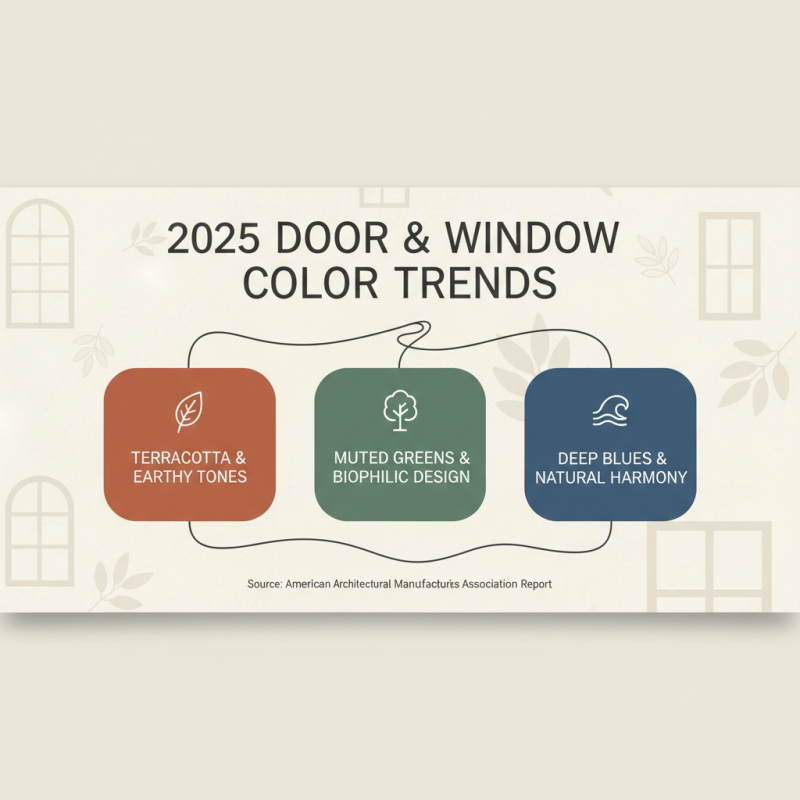
In 2025, the door and window industry is set to experience a remarkable shift in aesthetic innovations, particularly in color and style trends. According to a report by the American Architectural Manufacturers Association, color preferences will lean heavily towards warmer, earthy tones, as homeowners increasingly seek designs that blend seamlessly with nature. Shades like terracotta, muted greens, and deep blues will dominate the market, reflecting a broader desire for sustainable living and biophilic design. This trend not only enhances curb appeal but also connects personal spaces with the natural world, creating a harmonious atmosphere.
In terms of style, the demand for minimalist and functional designs continues to rise. Research from the National Association of Home Builders indicates that customization will be a key factor for consumers in 2025, with more homeowners opting for personalized features tailored to their unique tastes. Geometric patterns, oversized fittings, and transparent materials are anticipated to gain popularity, as they provide a contemporary edge while maintaining the balance of comfort and practicality. As these aesthetic innovations unfold, the doors and windows of modern homes will not only serve their functional purpose but also act as focal points that enhance the overall design narrative.
As we approach 2025, energy efficiency standards for doors and windows are set to undergo significant changes driven by environmental concerns and regulatory measures. According to the U.S. Department of Energy, building sector energy consumption is responsible for approximately 36% of total energy use in the country. This has prompted a shift toward more stringent energy codes and the adoption of innovative materials that enhance insulation and reduce energy waste. Expect to see an increase in the use of triple-pane windows and advanced framing techniques that promise improved thermal performance, with potential reductions in heating and cooling costs by up to 30%.
In response to growing consumer demand for sustainable home solutions, manufacturers are likely to embrace new technologies that enhance the energy efficiency of their products. Reports indicate that the global market for energy-efficient windows and doors is projected to grow at a CAGR of 8% from 2023 to 2028, highlighting the increasing importance of sustainability in home design. Furthermore, the introduction of performance metrics that align with the International Energy Conservation Code (IECC) and other regional guidelines will ensure that doors and windows meet higher standards. Buyers can anticipate products that not only comply with these regulations but also contribute to improved indoor air quality and overall environmental sustainability.
Ontario launching new 12-year rebate program