
Why Are These the Best Home Windows to Buy?
Why are these the best home windows to buy? The answer depends on your climate, budget, and how your home is built. A window that performs well in a dry, mild region may feel drafty during a cold winter. Start by comparing frame materials, glass packages, air leakage ratings, and installation requirements. These details matter more than a polished showroom display.
Energy-efficient windows can reduce unwanted heat transfer, but no product guarantees lower bills on its own. Look for verified performance labels, including U-factor and solar heat gain coefficient, and compare ratings suited to your local conditions. Ask how the window will fit the existing opening, whether flashing and sealing are included, and what the warranty covers. A well-rated unit can still disappoint if it is installed poorly. That part is easy to overlook.
Vinyl, fiberglass, wood, and composite frames each involve trade-offs in cost, upkeep, appearance, and durability. Double- or triple-pane glass may help with insulation and noise, yet the best choice depends on exposure and household priorities. Get written, itemized estimates from qualified installers, and check product documentation rather than relying only on sales claims. There is no universal winner. The best home windows are the ones that suit your home’s conditions, meet credible performance standards, and are installed with care. Even then, compare the details twice; a few specifications can be confusing, and it is reasonable to ask for clarification.
What Makes a Home Window a Good Investment?
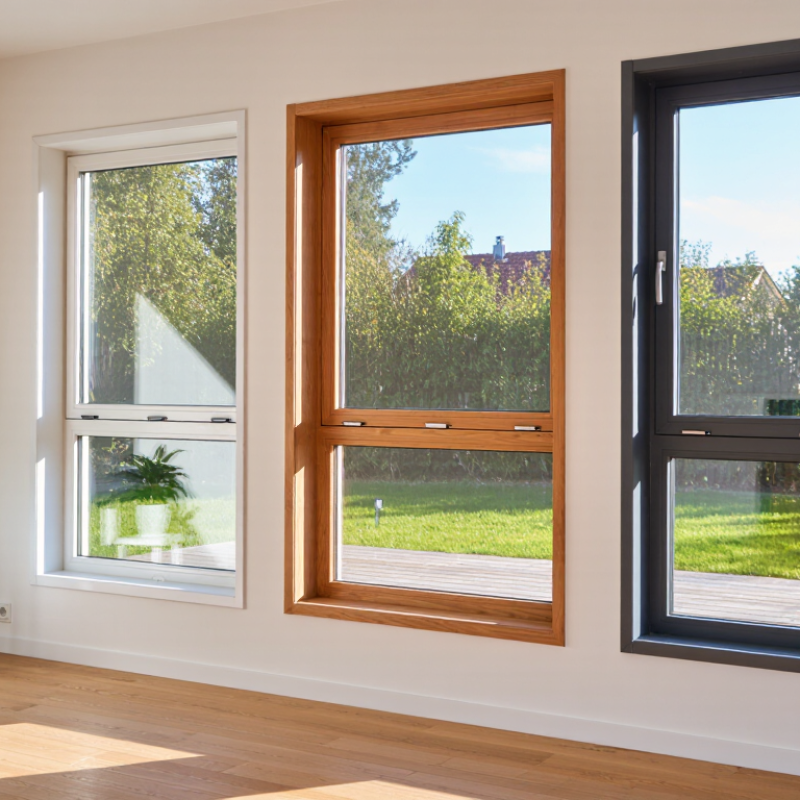
A good home window is an investment when it improves comfort, lasts well, and suits the house. Look beyond the glass. Check the frame, seals, hardware, and warranty, since each affects performance over time. For colder rooms, a lower U-factor generally indicates better insulation. In sunny climates, solar heat gain ratings and window orientation matter too. A south-facing window may need different specifications from a shaded one.
Fit matters most. Even an efficient window can leak air if it is poorly installed. Ask how the installer will seal the opening, handle flashing, and protect the surrounding wall. On a cold morning, drafts near the sill or condensation between panes can signal problems worth investigating. Energy savings are possible, but they depend on the old windows, local climate, and household use. No estimate should promise a precise payback without those details.
Maintenance belongs in the calculation. A frame that needs frequent painting may cost more in time, while durable hardware can keep a window operating smoothly. Compare the full installed cost, not just the price on the label. I would also check whether replacement is necessary; repairing sound frames can sometimes be the wiser choice. That judgment is not always obvious. A qualified inspection can help identify rot, failed seals, or installation issues before you spend.
Why Are These the Best Home Windows to Buy? — What Makes a Home Window a Good Investment?
A practical comparison of common residential window types. Costs are broad U.S. planning estimates for replacement windows, including installation; actual prices vary by size, glazing, labor, location, and project conditions.
| Window Type | Typical Installed Cost per Window (USD) | Energy-Efficiency Potential | Durability and Maintenance | Investment Strength | Best Fit |
|---|---|---|---|---|---|
| Vinyl, double-pane | $400–$900 | Good when fitted with insulated glass and suitable low-emissivity coatings. Performance varies by frame design and glass package. | Low maintenance; does not need painting. Quality and resistance to heat-related expansion vary among products. | Often offers a relatively low upfront cost and a practical balance of efficiency and upkeep. | Budget-conscious replacements and homeowners seeking low-maintenance frames. |
| Fiberglass, double- or triple-pane | $800–$1,600 | Strong potential because the frame conducts less heat than standard metal frames; glazing choices affect the final result. | Generally stable through temperature changes and requires little routine maintenance. Finish options may still need care over time. | Higher initial cost can be balanced by durability and strong insulation potential. | Long-term ownership, changing temperatures, and projects prioritizing performance. |
| Wood, double-pane | $800–$1,800 | Wood frames are naturally insulating; overall performance depends on the complete window and its installation. | Requires periodic inspection and may need painting or sealing, especially where exposed to moisture. | Can support architectural character and comfort, but upkeep and purchase costs should be included in the budget. | Traditional homes and owners who value a natural interior finish. |
| Wood-clad, double- or triple-pane | $1,000–$2,200 | Can combine an insulating wood interior with a protective exterior cladding; specifications vary by model. | Exterior cladding reduces exposure of the wood to weather, though seals and finishes still need periodic checks. | Balances appearance and weather protection, but the higher purchase price may not suit every budget. | Homeowners seeking a wood interior with less exterior painting. |
| Thermally improved aluminum | $600–$1,400 | Thermal breaks and appropriate glazing can improve performance; unbroken metal frames generally transfer heat readily. | Strong, slim-framed, and typically low maintenance. Check finish condition and drainage details over time. | Frame strength and narrow sightlines can be valuable, but frame thermal performance deserves close attention. | Large openings, contemporary designs, or locations where durable slim frames are preferred. |
| Interior or exterior storm window | $150–$500 | Can reduce air leakage and add another insulating air space when properly fitted to an existing window. | Maintenance depends on material and access; existing primary windows should be checked for moisture and condition. | May improve comfort at a lower cost than full replacement when existing windows are serviceable. | Older homes where retaining original windows is desirable and the existing frames remain sound. |
How to compare: Check the window’s NFRC label for its U-factor and Solar Heat Gain Coefficient (SHGC), and compare ratings suited to your climate and orientation. Look for ENERGY STAR® qualification where applicable, verify the full-window rating rather than glass-only claims, and consider installation quality, air leakage, warranties, and maintenance. No window type guarantees a specific energy-bill saving or resale return.
Related Posts
-
How to Choose Quality Windows in 2026?
-
Top Tips for Choosing the Best Residential Windows?
-
The Best 10 Residential Windows for Energy Efficiency and Aesthetics?
-
Why Choose the Best Home Windows for Your Home?
-
2026 Best Double Hung vs Single Hung Windows Which is Better?
-
10 Essential Tips for Choosing Home Doors and Windows
Ontario launching new 12-year rebate program