
10 Best Casement Windows for Global Buyers?
Choosing among the 10 best casement windows requires more than comparing frame colors or showroom prices. Climate, glass performance, hardware quality, installation skill, and local standards all affect the final result.
The International Energy Agency reported in Energy Efficiency 2023 that building operations account for approximately 30% of global final energy consumption and 26% of energy-related emissions. Windows cannot solve this challenge alone. However, well-designed units can reduce unwanted heat gain, heat loss, drafts, and indoor discomfort. Casement windows deserve attention because their compression seals can create a tight closure when correctly installed.
Performance must be verified, not assumed. Look for tested U-factor, solar heat gain coefficient, air leakage, water resistance, and structural ratings. Buyers should also check NFRC-certified data, EN 14351-1 compliance, or relevant AAMA/WDMA/CSA testing. These details matter beside a windy coastline, a humid apartment, or a sun-exposed concrete home.
Stephen Selkowitz, former head of the Windows and Daylighting Group at Lawrence Berkeley National Laboratory, described windows as “the most complex part of the building envelope.” That observation still feels practical. A premium sash can perform poorly when the opening is measured inaccurately or the flashing is incomplete.
No global ranking is perfect.
This guide compares ten strong options through measurable performance, service support, durability, and climate suitability. Some products look impressive on paper but lack transparent regional testing. That weakness deserves attention. A careful buyer should request full technical sheets, warranty terms, replacement-part access, and installation references before choosing casement windows for a long-term project.
What Are Casement Windows and How Do They Work?
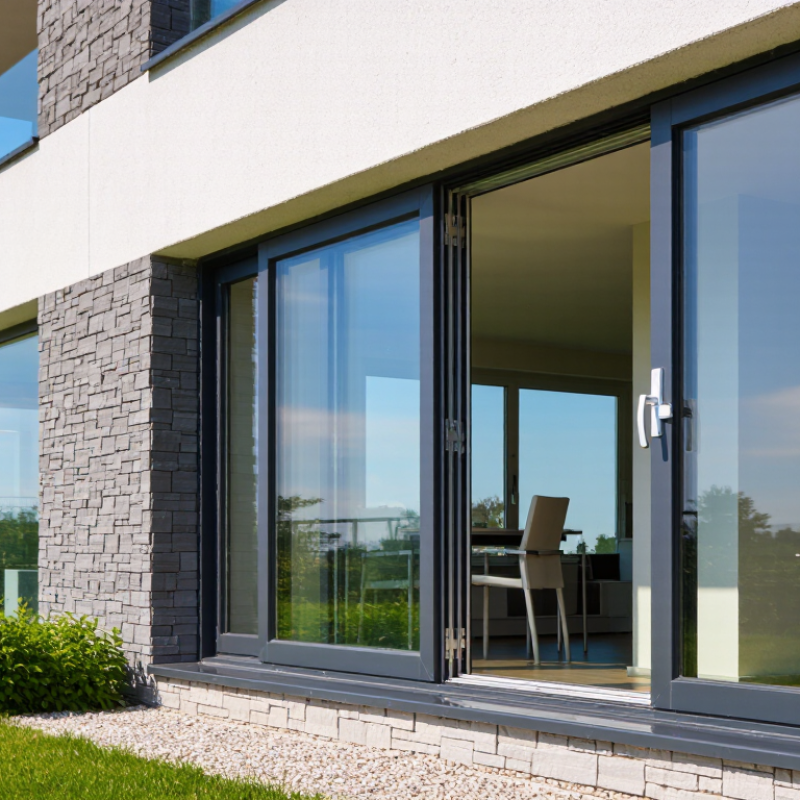
Casement windows are hinged panels that open outward, like a narrow door. The hinges usually sit on the left or right vertical edge. A crank handle moves a metal operator, pushing the sash away from the frame. When closed, the sash presses against compression seals around the opening. This creates a firm weather barrier. Unlike sliding windows, casements open across the full glazed area. That design can improve ventilation, but it needs clear space outside.
For global buyers, the best casement window depends on climate, wall construction, and local performance rules. Low-emissivity glass can reduce heat transfer, while laminated glass may improve safety and noise control. Multiple locking points help resist air leakage when the frame is correctly installed. Still, expensive hardware cannot fix a poorly squared opening. During site checks, installers should measure width, height, diagonals, and drainage paths. Small errors matter. A sash may rub, leak, or fail to lock.
Aluminum, timber, and composite frames balance strength, maintenance, insulation, and cost differently. Coastal locations need corrosion-resistant hardware and careful water management. Strong winds also require tested hinges, restrictors, and suitable fixing points. I would not judge a window from photographs alone. A product can look impressive yet perform poorly after careless installation. Ask for verified air, water, wind, and thermal test data relevant to your region. Check opening direction, emergency egress requirements, insect screens, and service access before ordering. The crank feels minor, but daily comfort often depends on it.
10 Best Casement Windows for Global Buyers? – What Are Casement Windows and How Do They Work?
A casement window is hinged at the side and opens outward with a crank, handle, or friction stay. When closed, the sash presses against a continuous seal, which can provide strong ventilation, weather resistance, and energy performance.
| No. | Window Type | Operating Method | Typical Frame Material | Recommended Glazing | Typical Whole-Window U-Factor* | Main Strength | Best Application | Important Consideration |
|---|---|---|---|---|---|---|---|---|
| 1 | Double-Glazed Standard Casement | Side hinge with manual handle or crank | uPVC, thermally improved aluminum, or timber | Low-emissivity double glazing with insulating gas cavity | Approximately 1.2–1.8 W/m²·K | Balanced insulation and cost | Temperate residential buildings | Performance depends on spacer, frame, installation, and air sealing |
| 2 | Triple-Glazed Energy-Efficient Casement | Multipoint locking with crank or handle | Insulated uPVC, timber, or thermally broken aluminum | Low-emissivity triple glazing with warm-edge spacers | Approximately 0.7–1.2 W/m²·K | Reduced heat transfer | Cold climates and low-energy homes | Heavier sash hardware and higher purchase cost may be required |
| 3 | Thermally Broken Aluminum Casement | Outward opening with friction stay or concealed hardware | Aluminum frame with thermal barrier | Double or triple low-emissivity glazing | Approximately 1.0–1.8 W/m²·K | Slim sightlines and structural strength | Modern buildings and large glazed openings | Non-thermally broken aluminum can conduct heat rapidly |
| 4 | Timber Casement Window | Side-hinged sash operated by handle | Engineered or solid treated timber | Double or triple low-emissivity glazing | Approximately 0.9–1.6 W/m²·K | Natural appearance and good thermal properties | Traditional, heritage, and premium residential projects | Requires regular surface maintenance in exposed climates |
| 5 | Composite Casement Window | Crank or handle with multipoint locking | Timber interior with weather-resistant exterior cladding | Energy-efficient double or triple glazing | Approximately 0.8–1.5 W/m²·K | Combines appearance with exterior durability | Wet, cold, or high-maintenance environments | Usually costs more than basic uPVC or aluminum systems |
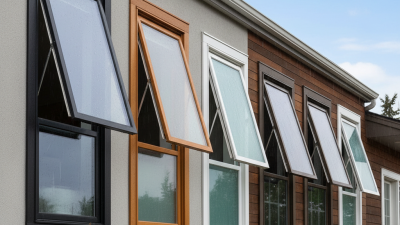
| 6 | Awning Casement Window | Top-hinged sash opens outward from the bottom | uPVC, aluminum, timber, or composite | Double glazing with suitable weather seals | Approximately 1.0–1.8 W/m²·K | Ventilation during light rain | Bathrooms, kitchens, and humid climates | The projecting sash needs clearance above exterior walkways |
| 7 | French Casement Window | Two side-hinged sashes open from the center | uPVC, timber, aluminum, or composite | Double or triple low-emissivity glazing | Approximately 0.9–1.7 W/m²·K | Wide unobstructed ventilation opening | Balconies, patios, and wide wall openings | Requires sufficient exterior clearance for both sashes |
| 8 | Narrow-Frame Casement Window | Side-hinged opening with compact hardware | Thermally broken aluminum or reinforced uPVC | Double low-emissivity glazing, with triple glazing where required | Approximately 1.1–1.9 W/m²·K | More daylight and a contemporary appearance | Urban apartments and modern façades | Narrow frames may require careful structural and wind-load design |
| 9 | Noise-Reduction Casement Window | Compression-sealed sash with multipoint locking | uPVC, timber, or thermally broken aluminum | Laminated acoustic glazing with different glass thicknesses | Approximately 1.0–1.8 W/m²·K | Improved sound insulation when properly installed | Homes near roads, railways, or airports | Acoustic results depend on wall construction, trickle vents, and installation quality |
| 10 | High-Wind Casement Window | Reinforced side-hinged sash with multipoint locking | Reinforced uPVC, engineered timber, or thermally broken aluminum | Impact-rated or laminated double glazing where required | Approximately 1.0–2.0 W/m²·K | Weather sealing and resistance to design wind pressure | Coastal regions and exposed high-rise locations | Must be specified and tested for the local wind, water, and impact requirements |
*U-factor values are indicative whole-window ranges expressed in W/m²·K; lower values generally indicate better thermal insulation. Actual results vary according to frame design, glass specification, window size, spacer system, hardware, installation, and the testing standard used in the destination market.
Related Posts
-
What Are Casement Windows and How Do They Work?
-
How to Choose the Best Casement Windows for Your Home?
-
2026 How to Choose Patio Doors with Windows for Your Home?
-
Best Doors on Windows for Your Home Improvement Needs?
-
The 5 Best Awning Windows for Natural Ventilation and Style?
-
What Are the Best China Doors and Windows for Global Buyers?
Ontario launching new 12-year rebate program