What Are Casement Windows and How Do They Work?
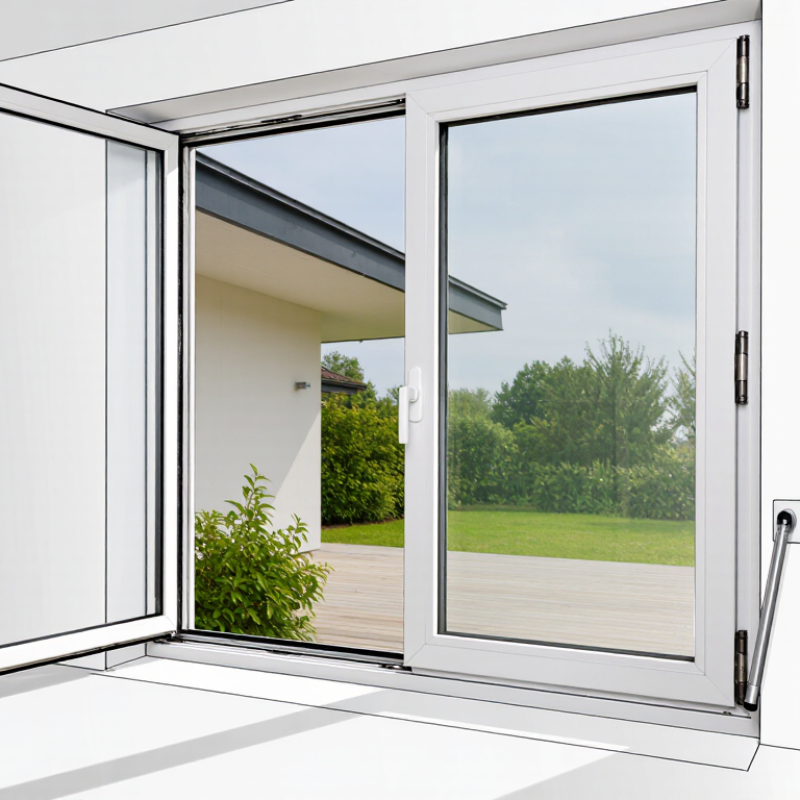
Casement windows are hinged along one side and open outward like a small door. A hand crank turns an operator arm, moving the sash away from the frame. Close the window, and its locks pull the sash against the weatherstripping. That firm contact can help limit drafts when the window is correctly installed and maintained. The details matter.
Building-science expert Joseph Lstiburek’s guidance is best represented here as a paraphrase, not a verbatim quotation: “A window must manage air and water, not simply let in light.” That principle helps explain why a casement’s performance depends on more than its visible glass. The frame, seals, hinges, operator, and installation all play a part. Even a well-made unit may disappoint if its weatherstripping is worn or its frame sits out of square.
Casement windows can open wide, bringing in fresh air and giving a clear view outside. Their outward swing also needs space. A projecting eave, narrow walkway, or nearby shrub can interfere with operation. On a breezy day, an open sash may catch the wind, too. Small details count. This guide explains the parts, the opening mechanism, and what to check before choosing or caring for one. The trade-offs are easy to miss. And real-world performance can vary, especially when installation quality is uncertain.
What Defines a Casement Window?
A casement window is defined by a sash attached to its frame with hinges along one side. Unlike a sliding window, it opens by swinging outward or inward. Many models use a hand crank, though some have a simple latch. When closed, the sash presses against a seal around the frame. This can help limit drafts, but the seal’s condition and the quality of installation matter.
Turning the crank moves an operating arm that guides the sash open. The opening can catch a breeze from different directions, which may help bring fresh air inside. A screen usually sits on the interior side. Check that the sash has enough clearance outside before choosing this style; a nearby walkway, shrub, or exterior fixture can get in the way. Small details matter.
Tips: Test the crank and latch before buying, and look for smooth movement without scraping. Ask how the window should be cleaned and how its seals should be maintained. A casement window can be easy to operate, but I wouldn’t assume every room suits one. The best choice depends on ventilation needs, access, and the space around the opening.
The Main Parts of a Casement Window
What Are Casement Windows and How Do They Work?
The Main Parts of a Casement Window
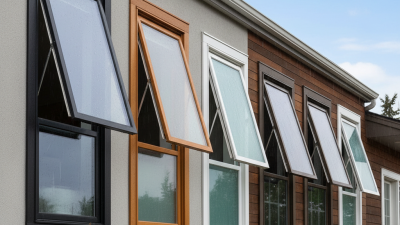
A casement window has a hinged sash that swings outward or inward, much like a small door. Its main parts begin with the frame, which sits in the wall opening and supports the moving sash. The sash holds the glass, or glazing, in place. Hinges connect the sash to the frame, usually along one vertical edge. A narrow weatherstrip around the sash helps reduce drafts when the window is closed. That small seal matters.
A handle turns a crank operator, a mechanism that pushes or pulls the sash open. On some windows, the operator arm is visible near the lower edge; on others, it is partly concealed. As the sash moves, a locking handle or latch secures it against the frame. Screens may keep insects out, though they are separate from the window’s main operating parts. It is easy to focus on the glass and overlook the hinges and operator, yet those pieces do much of the daily work.
Tips: Turn the handle gently and watch for rubbing at the frame. A stiff crank can mean the sash needs adjustment, but dirt or worn hardware may also be involved. Avoid forcing it. Clean the track and inspect the weatherstrip; a small gap can let in air or water.
How a Casement Window Opens and Closes
A casement window is hinged along one side, so its sash swings outward like a small door. Turn the handle, and a metal operator arm pushes the sash away from the frame. On many models, the handle connects to a gear mechanism hidden near the sill. The motion feels gradual, not sudden.
To open the window, unlock the handle and rotate it steadily. The sash moves on its hinges while the operator arm guides and supports it. Open it only as far as the mechanism allows; forcing a stiff handle can strain the gears. Fresh air enters through the opening, and the outward angle can help catch a breeze. Check that curtains, branches, or nearby objects will not obstruct the sash.
To close it, turn the handle in the opposite direction until the sash rests against the frame. Then engage the lock. The lock draws the sash snugly against weatherstripping, helping reduce drafts and rattling. A firm fit matters. If the handle becomes difficult to turn, inspect the track and hinges for dirt or looseness before applying more force. Sometimes the window simply needs cleaning; sometimes a part is wearing out. It is easy to assume the crank is the problem, but the sash may also be out of alignment. The details can be subtle.
How Casement Windows Provide Ventilation and Weather Protection
What Are Casement Windows and How Do They Work?
How Casement Windows Provide Ventilation and Weather Protection
Casement windows are attached to a frame with hinges along one side. A hand-operated crank usually swings the sash outward, though some models open inward. Because the sash opens wide, air can move across the room rather than entering through a narrow gap. That can help clear cooking smells or bring a breeze toward a desk. The direction matters: an open sash may catch passing air, but nearby walls and wind conditions affect the result.
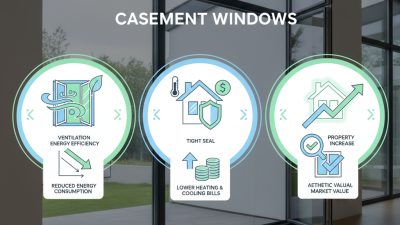
When closed, the sash presses against weatherstripping around the frame. This contact helps limit drafts and rain, provided the window is properly installed and the seals remain in good condition. No window is completely immune to severe weather or poor installation. After a storm, look for damp corners, loose hardware, or cracked seals. A little inspection goes a long way. One detail people may overlook is the crank: if it feels stiff, forcing it can damage the mechanism.
Tips: Open the window only when outdoor conditions feel suitable, and secure it before strong winds arrive. Wipe dust from the frame and check the weatherstripping each season. If you notice persistent drafts, condensation between panes, or water marks, note where they appear before asking a qualified window professional to inspect the unit.
Common Casement Window Configurations
Common Casement Window Configurations
A single casement has one sash hinged at the side. A crank swings it outward, giving a clear opening and directing breezes indoors. Paired casements place two opening sashes side by side. In a French-style pair, there is no fixed post between them, so the center can open widely. That is useful near patios or where moving furniture through matters. But check the hardware and clearance: an outward-opening sash can meet a walkway, shrub, or storm shutter.
Some windows combine a fixed center pane with casements on either side. This layout keeps a broad view while allowing ventilation from the flanks. Small detail. Configuration affects more than appearance; it changes airflow, access, and how much glass can open. The U.S. Department of Energy’s Energy Saver guidance estimates that windows account for about 25–30% of residential heating and cooling energy use. That figure covers windows overall, not casement styles specifically. For a fair comparison, check the National Fenestration Rating Council label for each actual unit’s U-factor and solar heat gain coefficient. Diagrams can make configurations look interchangeable, but frame dimensions, screens, and local exposure can change how a window performs in practice.