How to Choose Sliding Doors with Windows?

Choosing a sliding door with windows means balancing daylight, views, comfort, and everyday use. The U.S. Department of Energy’s Energy Saver guidance estimates that heat gain and heat loss through windows account for about 25%–30% of residential heating and cooling energy use. That makes glass selection more than a style decision. It can affect how a room feels beside the door on a cold morning or a sunny afternoon.

Look beyond frame color. Compare the unit’s U-factor and Solar Heat Gain Coefficient (SHGC), and check whether its glass, seals, and frame suit your climate and exposure. A low-e coating may help manage heat transfer, while a well-designed track and weather seals matter when rain, drafts, or frequent use are concerns. The National Fenestration Rating Council’s ratings provide a consistent way to compare key energy-performance measures. Still, ratings cannot tell you whether a particular panel will feel heavy to slide or whether its proportions will work with your furniture. Small details matter.

Building scientist Dr. Joseph Lstiburek is a recognized authority on building enclosures, but no verified quotation from him specifically about sliding doors with windows was supplied or available to cite reliably. Rather than invent one, this guide focuses on measurable criteria and practical checks. Consider the opening size, glass configuration, operation, maintenance, and installation conditions before choosing. The best-looking option may not be the most comfortable one. And a perfect rating cannot fix poor installation.
How to Choose Sliding Doors with Windows?

Understanding Sliding Doors with Windows and Their Main Components

How to Choose Sliding Doors with Windows?

Understanding Sliding Doors with Windows and Their Main Components

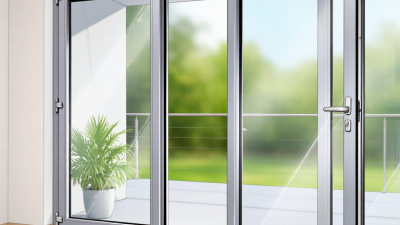
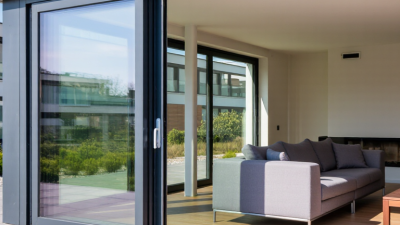
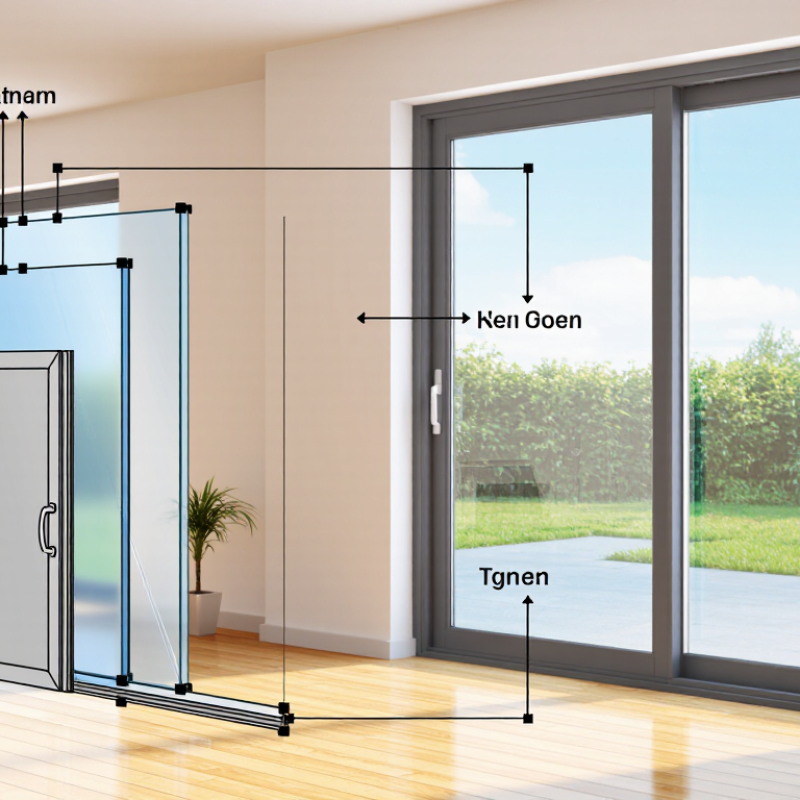
A sliding door combines glazed panels, a supporting frame, rollers, a track, seals, and a locking mechanism. Each part affects daily use. The glass brings in daylight, while the frame and seals help limit drafts. Rollers carry the panel along the track; grit or a small dent can make movement noisy. The meeting stile, where panels overlap, is easy to overlook. Yet a poor fit there can undermine an otherwise attractive door.

Check the frame material, glass specification, and threshold as a system, not as separate details. The U.S. Department of Energy estimates that windows account for about 25–30% of home heating and cooling energy use, so glazing choices can matter. The National Fenestration Rating Council’s ratings help compare products: U-factor indicates heat transfer, while Solar Heat Gain Coefficient (SHGC) indicates how much solar heat enters. Ratings do not predict every result; orientation, installation, and local climate matter too. I would not choose by glass area alone.

Tips: Slide the panel before buying, if possible. Listen for scraping, check that the lock engages smoothly, and inspect the track corners for debris. Ask for the product’s NFRC label and confirm the quoted performance applies to the complete door assembly, not just its glass. A sunny room may benefit from a lower SHGC, but less sun can also mean less winter warmth. That trade-off deserves a second look.

Assessing Your Space, Opening Size, and Access Needs

Before comparing sliding doors with windows, study how the room is used. Measure the opening’s width and height at several points; older walls are not always square. Note the finished floor level, trim, and any uneven sill. Small differences matter.

Check the door’s actual clear opening, not just its overall frame size. A two-panel unit may leave less passage space than expected because one panel stays fixed. Will a chair, laundry basket, or wide piece of furniture pass through comfortably? Measure the route, too. A clear doorway is not much help if a nearby island blocks access.

Think about daily movement and reach. Handles should be easy to grasp, and a low, smooth threshold can make the transition easier for many people. Still, “low” does not always mean barrier-free; compare the threshold details and confirm they suit the people using the door. For patios, account for outdoor steps, drainage, and the space needed to operate screens. Check the manufacturer’s stated clear-opening dimensions before ordering. I would not rely on a quick tape measure alone. Recheck after flooring and trim plans are settled.

Comparing Frame Materials, Glass Types, and Panel Configurations

Frame material affects upkeep, insulation, and how the door feels in daily use. Vinyl resists moisture and needs little maintenance, but dark finishes may expand more in strong sun. Aluminum offers slim sightlines and sturdy frames, though it can transfer heat unless it has a thermal break. Wood brings warmth indoors, but exposed finishes need periodic care. I still find maintenance easy to underestimate.

Glass choice changes comfort and safety. Low-emissivity glass can reduce heat transfer while preserving daylight; its performance depends on the coating and local climate. Tempered glass breaks into smaller pieces, while laminated glass holds fragments together after cracking. Neither option fixes poor installation. Ask for the glass specification, not just a broad claim about efficiency. A sample can help you judge reflections and tint in your own light.

Panel configuration should fit the room, not just the opening. Two panels may suit a compact patio, while a wider opening might need three or more panels, with some fixed. Check which panel moves and where it stacks. Measure twice. Also consider furniture, curtains, and the clear walking path outside. A large glass area looks appealing, but it can make cleaning awkward, and that trade-off deserves a real look before ordering.

Checking Energy Efficiency, Security, and Safety Features

When comparing sliding doors with windows, read the performance label, not just the glass description. The U-factor indicates how readily heat escapes; lower values generally mean better insulation. The U.S. Department of Energy’s Energy Saver guidance estimates that windows account for 25–30% of home heating and cooling energy use. That makes the whole assembly important: glass, frame, seals, and installation all affect performance. A low-rated door can still feel drafty if its weatherstripping is damaged or the frame is poorly fitted. Small gap. Big difference.

For security, check whether the lock engages firmly and whether the panel resists being lifted from its track. Ask about laminated glass and tested resistance ratings, rather than assuming thicker glass is automatically safer. I would not judge security by the handle alone; that misses the track and frame. For safety, confirm that glass in hazardous locations meets applicable safety-glazing requirements, such as CPSC 16 CFR Part 1201 or ANSI Z97.1, and look for permanent identification on the pane. The National Fenestration Rating Council label can help compare U-factor and solar heat gain coefficient across products. One detail is easy to overlook: sunlight through a large pane can add unwanted heat, even when the door feels well sealed. Check ratings for your climate and orientation.

How to Choose Sliding Doors with Windows

Compare representative center-of-glass U-factors when assessing energy efficiency. Lower values indicate less heat transfer.

How to use this chart: These approximate values compare glazing only, not complete sliding-door units. Frames, spacers, and door size affect whole-product performance, so check the door’s NFRC-rated U-factor and SHGC. For security and safety, also look for suitable tempered or laminated glass, secure locks, and anti-lift features.

Representative values are illustrative; actual ratings vary by product and configuration. U-factor is shown in Btu/(h·ft²·°F).

Selecting Installation and Maintenance Options for Your Home

When comparing sliding doors with windows, treat installation as part of the choice, not an afterthought. A replacement unit may fit an existing opening, but only if the frame is sound, square, and dry. Have the sill, jambs, and nearby wall checked for water damage before ordering. If the opening needs resizing or the old frame is soft, a full-frame installation can reveal hidden problems and allow proper flashing. It also means more interior and exterior finish work. Ask how the installer will manage drainage, insulation, and the threshold. Small gaps matter.

Choose glazing for your climate, room orientation, and privacy needs. Low-emissivity glass can help limit heat transfer, while double glazing may reduce drafts and outside noise. Ask about safety glass where doors are likely to be struck, and check that the selected panels suit the door system. I would not assume a larger glass area always makes a room more comfortable; strong afternoon sun can cause glare and heat. It is tempting.

Before work begins, confirm who removes the old door, disposes of it, and repairs trim. Measure twice. After installation, keep the tracks clear of grit with a soft brush or vacuum, then wipe them with a damp cloth. Clean the weep holes gently so rainwater can drain. Inspect rollers, weatherstripping, and seals seasonally; stiff movement or a persistent draft may signal adjustment is needed. Avoid forcing the panel, even when it sticks. Some maintenance is easy to postpone, and that is usually when small issues become expensive.

Ontario launching new 12-year rebate program