Choosing among China’s top exterior windows manufacturers requires more than comparing catalog photos or factory prices. A reliable decision begins with performance evidence, production experience, and clear communication. Buyers should examine thermal ratings, air and water resistance, glass specifications, hardware quality, and documented project results. A polished showroom helps, but it does not prove long-term performance.
Stephen Selkowitz, a respected building-science expert and former researcher at Lawrence Berkeley National Laboratory, has described windows as “the most complex component of the building envelope.” That observation matters. Exterior windows must manage sunlight, rain, wind, indoor comfort, security, and energy loss at the same time. A manufacturer may offer aluminum, uPVC, or thermally broken systems, yet each option needs testing for the project’s climate and building design.
This overview introduces leading Chinese manufacturers through practical criteria rather than marketing claims. It considers factory capability, customization, certifications, quality-control procedures, export experience, installation support, and after-sales service. Site visits, sample inspections, and independent test reports can reveal details that websites often hide, such as uneven powder coating, weak corner joints, or poorly sealed glazing beads. Some evaluations remain imperfect. Public data may be incomplete, and supplier rankings can change as factories expand or markets shift. That uncertainty deserves honest attention. The strongest manufacturer is not always the largest. It is the one that consistently matches verified performance with the project’s technical, architectural, and budget requirements.
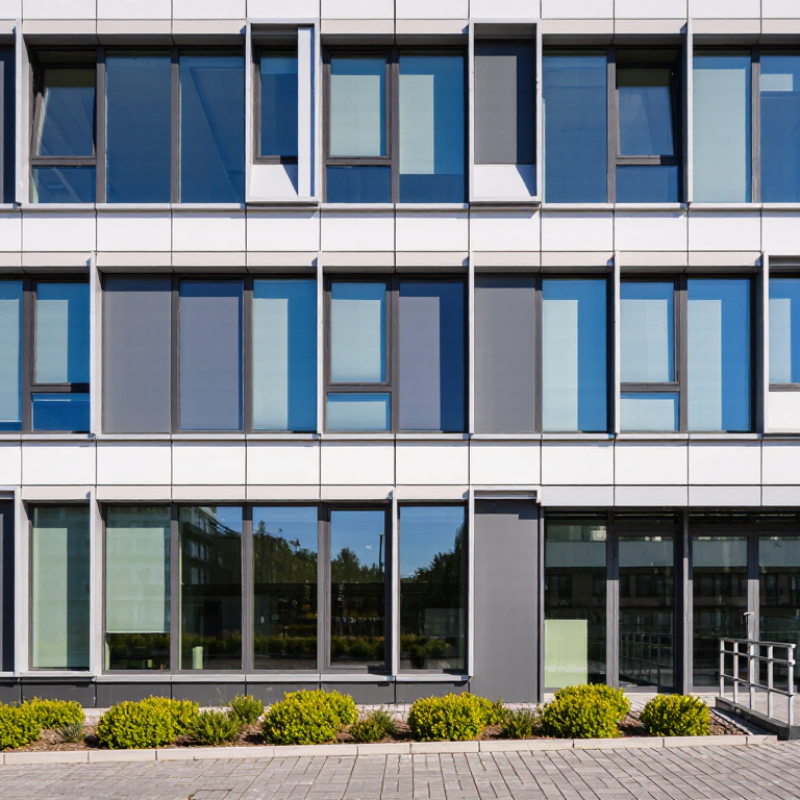
A leading China exterior windows manufacturer is not defined by a polished catalog. It is defined by repeatable performance in real buildings. Experienced teams understand how glazing, frame depth, drainage, and local weather interact. They should explain thermal values, air leakage, water resistance, and wind-load results clearly. Factory engineers must also review drawings carefully. A beautiful window can still fail if the sill slope or opening size is wrong.
Reliable manufacturers show evidence before requesting a large order. This may include production samples, traceable material records, inspection checkpoints, and independent test reports. Visitors should see clean assembly areas, calibrated equipment, and workers checking corner joints. Small details matter. A strong quality system catches scratches, uneven seals, and incorrect hardware before shipment. It also records corrective actions instead of hiding mistakes. That transparency reflects professional accountability.
Practical experience appears during communication. Can the team answer installation questions quickly? Can it adapt profiles for coastal air, heavy rain, or cold winters? Good suppliers provide clear packing plans, replacement procedures, and installation guidance for contractors. No factory gets every detail right. That admission matters. The better partner discusses weak points openly, tests revised solutions, and keeps promises about schedules and documentation. Long-term reliability grows from measurable controls, not confident claims.
What Are the Top China Exterior Windows Manufacturers?
Key Types of Exterior Windows Made in China
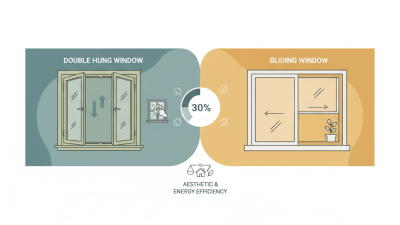
China’s exterior window manufacturers commonly produce casement, sliding, awning, tilt-turn, fixed, and folding systems. Casement windows usually provide stronger ventilation and tighter compression seals. Sliding windows save space, but their overlapping sashes can reduce airtightness. Tilt-turn designs offer controlled ventilation and inward cleaning, although their hardware costs more. Fixed windows deliver excellent daylight and insulation because they have no moving sash.
Material choice changes performance. Thermally broken aluminum frames suit large openings and humid coastal projects. uPVC windows often provide lower heat transfer and competitive pricing. Wood-aluminum systems add a warmer interior finish, but they need stricter moisture control. The International Energy Agency reported that buildings used about 30% of global final energy in 2022. Therefore, frame design and glass selection deserve equal attention.
For a reliable purchase, request whole-window U-values, air-leakage results, water-penetration tests, and wind-load calculations. Ask whether testing follows applicable standards, such as EN 14351-1 or GB/T 8478. A low glass U-value does not guarantee an efficient window. Installation gaps, weak corner joints, and poor drainage can erase laboratory gains. I have found that a neat catalogue is not proof. One caution: performance figures may describe a sample, not every production batch. Independent verification remains valuable, especially for oversized windows, high-rise façades, and regions with typhoons or severe winter winds.
| Exterior Window Type | Common Frame Material | Typical Opening Style | Common Glazing Options | Typical Thermal Performance* | Typical Applications | Key Buying Considerations |
|---|---|---|---|---|---|---|
| uPVC Casement Window | Multi-chamber rigid uPVC with galvanized steel reinforcement | Side-hinged inward or outward opening | Double or triple insulated glass; Low-E and argon available | Approximately 0.8–2.2 W/m²K for complete window systems, depending on profile and glazing | Residential buildings, apartments, schools, and replacement projects | Profile wall thickness, steel reinforcement, welded corners, weather seals, and hardware durability |
| Thermal-Break Aluminum Casement Window | Powder-coated or anodized aluminum with polyamide thermal barrier | Side-hinged, top-hung, or combined opening | Double or triple insulated glass; laminated and Low-E glass options | Approximately 1.4–2.8 W/m²K for complete window systems, depending on thermal break and glass | High-rise housing, commercial buildings, villas, and energy-efficient projects | Thermal-break width, corner crimping quality, drainage design, coating specification, and structural testing |
| Aluminum Sliding Window | Non-thermal-break or thermally broken aluminum profiles | Horizontal sliding panels on rollers | Single glass, double insulated glass, laminated glass, or Low-E glass | Approximately 2.0–5.7 W/m²K, with non-thermal systems generally performing less efficiently | Balconies, low-rise housing, utility areas, and locations requiring space-saving operation | Roller load rating, track drainage, interlocking seals, air leakage, and resistance to water penetration |
| Tilt-and-Turn Window | uPVC, thermally broken aluminum, or timber-aluminum composite | Tilts inward from the top or turns inward from the side | Double or triple insulated glass with Low-E coating and optional laminated inner pane | Approximately 0.8–2.0 W/m²K for complete systems, subject to frame and glass selection | Cold-climate housing, premium apartments, offices, and ventilation-focused designs | Multi-point locking, hinge capacity, sash weight, gasket compression, and hardware test cycles |
| Awning Window | uPVC, aluminum, or composite frame | Top-hinged sash opening outward from the bottom | Insulated glass, Low-E glass, or laminated safety glass | Approximately 1.0–2.8 W/m²K for complete window systems | Bathrooms, kitchens, basements, clerestory areas, and rainy climates | Opening limiter, hinge corrosion resistance, water drainage, insect-screen compatibility, and weather seals |
| Fixed Picture Window | Aluminum, thermally broken aluminum, uPVC, timber, or composite | Non-opening glazed panel | Double or triple insulated glass; laminated, tempered, solar-control, and Low-E options | Approximately 0.6–2.5 W/m²K, mainly determined by glazing and frame design | Living rooms, stairwells, curtain-wall infill areas, and buildings requiring large daylight openings | Glass safety classification, maximum panel size, deflection limits, edge support, and installation tolerances |
| Wood or Wood-Aluminum Window | Engineered timber interior with aluminum exterior cladding, or fully finished timber | Casement, tilt-and-turn, or fixed configuration | Double or triple insulated glass with Low-E coating and warm-edge spacer options | Approximately 0.8–1.8 W/m²K for complete window systems | Premium residences, heritage-style projects, hotels, and energy-efficient homes | Timber moisture content, coating system, wood species, cladding drainage, joint construction, and maintenance requirements |
| Louver or Jalousie Window | Aluminum, galvanized steel, or uPVC frame with glass or aluminum blades | Multiple adjustable blades pivoting around side edges | Single glass blades, patterned glass, or aluminum blades | Generally lower thermal and air-tightness performance than sealed insulated windows | Bathrooms, plant rooms, garages, utility spaces, and naturally ventilated buildings | Blade overlap, operator strength, corrosion resistance, insect-screen design, and rain protection |
Evaluating China’s exterior window manufacturers requires more than comparing catalog prices. Start with thermal performance. The IEA’s 2023 Buildings report states that buildings consume about 30% of global final energy. Therefore, ask for tested U-values, frame conductivity, glazing specifications, and spacer details. A low quoted U-value may describe the glass only, not the complete window.
Check factory evidence, not polished samples. Request recent test reports for air permeability, watertightness, wind resistance, and thermal insulation. Reports should identify the tested configuration, dimensions, hardware, and laboratory. Chinese products can be reviewed against GB/T 8478 and the project’s local requirements. Inspect extrusion storage, corner crimping, sealant application, and quality records during a video or physical audit. Small gaps around a corner can become large problems after installation.
The 2023 Global Status Report for Buildings and Construction links buildings to roughly 34% of global energy demand. This makes installation quality as important as manufacturing quality. Ask how the supplier controls tolerances, drainage paths, glass protection, and replacement parts. Check whether production samples match the approved drawings. They sometimes do not. Also examine delivery data, warranty exclusions, and responses to failed tests. A manufacturer that explains one past mistake may be more reliable than one promising perfection. Get independent pre-shipment inspection when the project is large, and verify performance again after installation.
This suggested evaluation model prioritizes measurable performance over brand visibility. Buyers should verify thermal performance, air and water resistance, structural testing, product durability, compliance with applicable standards, and after-sales capability. Relevant references may include NFRC procedures, FGIA/AAMA performance standards, ISO 10077-1, and EN 14351-1.
China’s exterior window industry is concentrated in several manufacturing regions. Guangdong is known for aluminum systems, thermal-break profiles, and projects requiring refined surface finishes. Zhejiang has many medium-sized factories producing uPVC and aluminum windows for residential developments. Jiangsu supports larger industrial supply chains, including glass processing, hardware integration, and automated assembly. Shandong also contributes through profile production, insulated glass, and cost-focused manufacturing.
Supplier capabilities vary widely. Experienced factories usually provide profile extrusion, powder coating, glass fitting, hardware installation, and final inspection under one roof. Some can manufacture inward-opening, outward-opening, sliding, and lift-slide systems. They may also test air leakage, water resistance, wind pressure, and thermal performance. Ask for recent test reports, production photos, and sample corner joints. Details matter.
Communication is often the real challenge. A capable supplier should read architectural drawings, confirm wall openings, and explain drainage paths clearly. It should also identify differences between standard and project-specific hardware. Some factories appear highly organized but outsource critical processes. That is not always a problem, but it requires traceability. Request material certificates, coating specifications, glass configurations, and packing records. Factory visits can reveal more than polished brochures.
No region is perfect. Lower prices may hide thinner profiles or limited after-sales support. A reliable purchasing decision should balance engineering depth, quality control, lead time, and documented experience with similar climates.
International buyers should evaluate China exterior window manufacturers beyond catalog appearance and quoted price. Start with performance data: U-values, solar heat gain, air leakage, water penetration, and wind-load ratings. Request test reports from recognized laboratories, not only factory spreadsheets. Project requirements change by climate. A coastal building needs stronger corrosion protection, while a cold-region project needs reliable thermal breaks and insulated glazing.
Ask how the manufacturer controls production quality. A capable supplier should explain profile tolerances, glass inspection, sealant application, drainage paths, and packing methods. Request a full-size sample or corner mock-up before mass production. Check whether hardware, screens, colors, and opening sizes can match the construction drawings. Small details matter. A two-millimeter mismatch can delay installation across an entire floor.
International procurement also depends on communication and logistics. Confirm shop-drawing procedures, approval times, replacement policies, and warranty responsibilities in writing. Review export packaging with actual photos, especially for long sea routes and humid ports. Calculate container loading carefully; attractive unit pricing may hide unused space or expensive inland transport. I have seen projects focus heavily on the window price and underestimate installation guidance. That assumption needs review. Ask whether the technical team can support remote inspections, labeling, and clear installation instructions. Also verify the manufacturer’s experience with your destination’s building standards, because a product accepted in one market may require different documentation elsewhere.
Ontario launching new 12-year rebate program