Choosing the right single windows in 2026 requires more than comparing prices or attractive product photos. Global buyers now examine thermal performance, ventilation, security, noise control, durability, and installation quality. A window that works well in Stockholm may struggle in Dubai. Coastal homes also face salt, wind, and repeated moisture exposure. These details can change the best buying decision.
This guide examines leading single windows for different climates, building types, and budgets. It considers frame materials, glazing options, drainage design, hardware strength, and available certifications. Practical experience matters here. A technically impressive window can still disappoint when installers measure poorly or ignore local weather patterns. That issue deserves more attention.
Reliable manufacturers usually provide test data, warranty terms, maintenance guidance, and clear performance ratings. Buyers should review those documents instead of trusting broad marketing claims. U-values, air leakage results, water resistance, and acoustic ratings offer useful evidence. However, ratings may depend on testing conditions and installation methods. They are not the whole story.
The guide also compares repair access, replacement parts, delivery support, and regional compliance requirements. These factors influence long-term ownership costs. A low purchase price may become expensive after repeated adjustments or difficult repairs. Some recommendations remain subjective, and market availability can change during 2026. That uncertainty should be acknowledged.
The goal is practical guidance, not a universal ranking. Readers can use these comparisons to ask better questions, verify specifications, and select single windows with greater confidence. Good decisions begin with evidence. They also require careful reflection.
In 2026, a single window is a digital trade portal that connects customs, tax, transport, and regulatory agencies. Global buyers submit shipment information through one channel instead of repeating forms across several offices. The system may handle invoices, certificates, product classifications, and clearance updates. In practical use, this can reduce duplicate data entry and reveal missing documents earlier. A clear dashboard also helps purchasing teams track a shipment from departure to release. However, “single” does not always mean simple. Some countries still require separate approvals or local documents.
Tips: Check the official portal before ordering. Confirm required fields, file formats, processing times, and user permissions. Keep invoice descriptions consistent with product codes. Save submission receipts and review every automated result. Small errors can delay a container.
Global buyers need single windows because cross-border purchasing now involves more suppliers, routes, and compliance checks. A reliable portal creates a shared record for importers, brokers, carriers, and authorities. It can support better forecasting when buyers see inspection notices or clearance progress early. It may also reduce communication gaps between time zones. From experience, the best results come from trained staff and clean product data, not software alone. A portal cannot correct an unclear description or an unrealistic delivery promise. That limitation deserves attention. Buyers should test the process with a low-risk shipment, verify local requirements, and maintain a human review step for unusual orders.
What Are the Top Single Windows for Global Buyers in 2026?
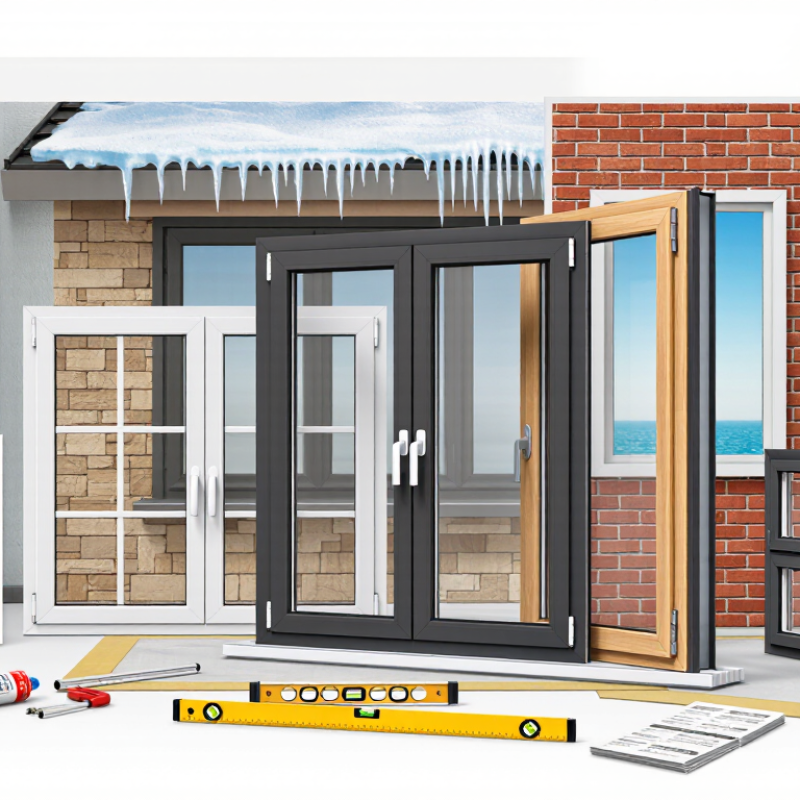
Window selection should follow the building’s exposure, ventilation needs, and maintenance plan. Fixed single windows provide excellent daylight and strong air tightness. They suit stairwells, corridors, and quiet living rooms. However, they cannot provide natural ventilation. Casement windows open outward and direct airflow across a room. They work well in warm climates, but exposed hinges need regular inspection. Awning windows shed light rain while ventilating, making them useful for kitchens and bathrooms.
Sliding windows need limited clearance, which helps in compact apartments and busy walkways. Their horizontal tracks can collect dust, though. Tilt-and-turn windows offer controlled ventilation and wide cleaning access. They are practical for upper floors and colder regions, but their hardware requires accurate installation. Double-hung windows support adjustable airflow from both sashes. They remain useful where traditional appearance and emergency access matter. Yet, performance varies greatly between models.
The U.S. Department of Energy estimates that windows can represent 25–30% of residential heating and cooling energy use. The IEA’s 2024 Global Status Report for Buildings and Construction states that buildings consume about 30% of global final energy. This makes glazing and frame decisions more important than they may appear. Look for tested U-values, solar heat gain coefficients, air-leakage ratings, and verified installation guidance. In my experience, buyers often compare glass first and overlook frame drainage. That is a costly mistake. Climate data, room orientation, and local repair skills should shape the final choice. There is no universal winner.
Materials affect durability, maintenance, and environmental impact. Vinyl frames resist moisture and usually require little upkeep. Aluminum frames offer slim profiles, but thermal breaks are essential. Timber provides warmth and a natural finish, yet it needs regular sealing in humid conditions. Composite materials can balance strength and insulation. None is perfect. Local weather should guide the decision.
Security deserves practical attention. Choose multi-point locking hardware, strong hinges, and laminated glass where risk levels justify it. Check whether the window opens safely for children and emergency access. Design should support ventilation, daylight, and interior proportions without ignoring cleaning access. Request independent test reports and installation details from qualified suppliers. Compare recognized performance standards in the destination market, because ratings are not always directly interchangeable. A showroom sample may look convincing, but it cannot reveal long-term seal failure. I would inspect drainage paths, corner joints, and frame alignment before approving a large order.
Regional standards and climate conditions should guide every single-window purchase. The U.S. Department of Energy reports that windows can cause 25–30% of residential heating and cooling energy use. This makes U-factor, solar heat gain coefficient, visible transmittance, and air leakage essential comparison points. U.S. buyers commonly review NFRC-certified ratings, while European projects often use Uw and g-values under EN 14351-1. These values are not interchangeable.
Climate changes the best specification. In hot, sunny regions, low solar-gain glass, exterior shading, and reflective coatings can reduce afternoon heat near west-facing rooms. In cold regions, lower U-values, warm-edge spacers, and insulated frames help retain indoor warmth. Coastal areas require careful corrosion resistance and stronger water-sealing details. High-wind zones also need tested pressure resistance, not just attractive glass.
The International Energy Agency’s Buildings sector report identifies buildings as responsible for about 30% of global final energy use. That figure explains why local compliance matters. A window designed for northern Europe may perform poorly in a humid tropical city. Condensation risk is often underestimated. So is installation quality. ISO 15099 supports thermal performance calculations, but real results depend on orientation, shading, ventilation, and workmanship. No specification is perfect. Buyers should request climate-specific simulations, verified test reports, and whole-window values rather than glass-only claims. That is my caution.
Global buyers should evaluate suppliers beyond attractive product photos. Request factory certifications, material specifications, production photos, and recent project references. A reliable supplier should explain glass thickness, frame composition, hardware quality, and testing methods in clear language. Ask whether stated performance values come from independent laboratory tests. Vague answers deserve caution.
Compare the complete landed cost, not only the unit price. Include packaging, inland transport, ocean freight, insurance, customs charges, local taxes, and possible storage fees. A lower quote can become expensive after destination handling. Request a proforma invoice with every charge listed. Currency changes may still affect the final budget.
Installation can decide whether a good window performs poorly. Confirm rough-opening measurements, drainage details, fasteners, sealing materials, and local labor requirements before ordering. Ask the supplier for illustrated installation guidance. Warranty terms should identify coverage, exclusions, claim procedures, and response times. Check whether labor, glass breakage, hardware, and color fading are treated differently. No checklist is flawless. My earlier assumption that a long warranty meant strong support was too simple. In practice, response speed and replacement logistics may matter more than the printed number. Keep inspection records, photographs, purchase documents, and delivery notes from the beginning.
Ontario launching new 12-year rebate program