
Top 10 Types of Home Doors and Windows for Global Buyers
Choosing the right home doors and windows is not merely a design decision. For global buyers, it affects security, ventilation, daylight, energy use, and long-term maintenance. An apartment in Dubai faces intense heat, while a coastal home in Norway may need stronger seals against wind and salt. This difference makes universal recommendations unreliable. The “Top 10 Types of Home Doors and Windows” guide examines practical options for different climates, building styles, budgets, and daily routines. It considers sliding doors, folding systems, casement windows, tilt-and-turn designs, bay windows, insulated glass, and other widely used solutions. Real project experience shows that small details matter. A narrow frame can increase daylight, but poor installation may create drafts. A large glass panel can improve views, yet it may require shading and stronger hardware.
A reliable comparison should examine frame materials, glass performance, drainage, locking systems, thermal insulation, acoustic control, and expected maintenance. Buyers should also confirm local building requirements, weather conditions, and installation practices before placing an order. Product labels can sound impressive, but verified test data and clear warranties deserve greater trust. That is an easy mistake. Price alone does not reveal value, especially when replacement hardware or difficult repairs are involved. Some recommendations may not fit every project, and even experienced buyers can overlook opening space, cleaning access, or delivery limits. Careful measurement remains essential. This overview aims to support informed decisions through practical details, professional considerations, and realistic limitations. It does not promise one perfect product. Instead, it helps readers identify suitable designs with greater confidence.
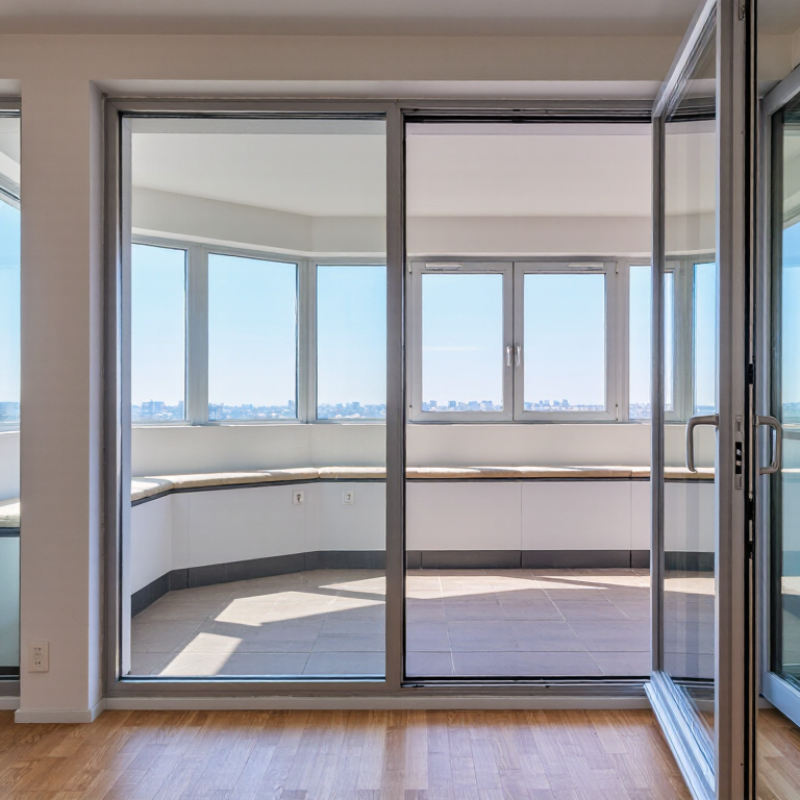
Classify the Top 10 by Opening Method, Frame Material, and Glazing
For global buyers, ten practical choices stand out by opening method: entry doors, hinged patio doors, sliding patio doors, folding doors, pivot doors, fixed windows, casement windows, awning windows, sliding windows, and tilt-turn windows. Hinged and casement units seal tightly, while sliding designs save space. Awning windows shed light rain. Tilt-turn systems offer ventilation and emergency cleaning access, but their hardware needs careful adjustment. Pivot doors create a dramatic entrance, although wind pressure can make sizing difficult.
Frame material changes performance. Timber gives warmth and repairability. uPVC offers low maintenance and useful insulation. Aluminum supports large glass areas, but thermal breaks are essential. Composite frames balance strength and insulation, though costs rise. Glazing completes the specification: single glass suits mild climates, double glazing fits many residential projects, and triple glazing serves colder regions. Low-emissivity coatings reduce radiant heat transfer. Laminated glass improves impact retention, while tempered glass breaks into smaller fragments.
The U.S. Department of Energy estimates that windows can cause 25–30% of residential heating and cooling energy use. That figure makes glazing more than a visual choice. The International Energy Agency also reports that buildings consume about 30% of global energy. Yet, energy figures vary by climate, orientation, installation, and occupant habits. A technically strong window can still underperform with a poor perimeter seal. Ask for tested U-values, solar heat gain data, air-leakage results, and local installation evidence. Fancy specifications are not enough.
Top 10 Types of Home Doors and Windows for Global Buyers - Classify the Top 10 by Opening Method, Frame Material, and Glazing
| No. | Product Type | Typical Opening Method | Common Frame Material | Typical Glazing | Ventilation and Access | Main Advantages | Common Residential Applications |
|---|---|---|---|---|---|---|---|
| 1 | Casement Window | Side-hinged; opens outward with a handle and friction stay | uPVC, aluminum, timber, or composite | Double or triple insulated glass; low-emissivity coating is common | Excellent controllable ventilation; clear opening for cleaning and escape where permitted by local codes | Good airtightness, strong ventilation, and unobstructed daylight | Bedrooms, living rooms, kitchens, and low- to mid-rise homes |
| 2 | Sliding Window | One or more sashes move horizontally on tracks | Aluminum, uPVC, or thermally broken aluminum | Single, double, or laminated insulated glass depending on climate and performance needs | Ventilation through the open sash; does not project into exterior walkways | Space-saving operation and wide horizontal views | Apartments, balconies, corridors, and rooms with limited exterior clearance |
| 3 | Tilt-and-Turn Window | Tilts inward from the top or turns inward from the side | uPVC, aluminum, timber, or composite | Double or triple low-emissivity insulating glass | Secure background ventilation in tilt mode and full inward opening for cleaning | Versatile operation, good weather sealing, and easy maintenance | Modern apartments, bedrooms, offices within homes, and high-performance housing |
| 4 | Awning Window | Top-hinged; the bottom edge opens outward | uPVC, aluminum, or timber | Double insulated glass or laminated glass for improved safety | Can provide ventilation during light rain when correctly installed and drained | Compact opening and useful weather protection | Bathrooms, basements, kitchens, and upper sections of combined window systems |
| 5 | Fixed or Picture Window | Non-opening; permanently sealed frame | Aluminum, uPVC, timber, or composite | Double or triple insulating glass; solar-control glass may be used in sunny climates | No ventilation; provides daylight and views only | Large clear areas, low air leakage, and minimal hardware maintenance | Feature walls, stairwells, living rooms, and areas paired with operable windows |
| 6 | French Door | Two side-hinged leaves that open from the center | Timber, uPVC, aluminum, or composite | Double safety glass; laminated or tempered glass may be specified according to local regulations | Wide clear passage and direct connection between indoor and outdoor areas | Classic appearance, broad access, and strong daylight transmission | Patios, gardens, balconies, dining rooms, and traditional-style homes |
| 7 | Sliding Patio Door | One or more panels slide horizontally behind fixed panels | Thermally broken aluminum, uPVC, timber, or composite | Double or triple insulated safety glass; low-emissivity and solar-control options are common | Large glazed opening without a door swing area | Efficient use of floor space, wide views, and convenient outdoor access | Living rooms, terraces, patios, balconies, and contemporary houses |
| 8 | Bi-Fold Door | Multiple hinged panels fold and stack to one or both sides | Aluminum, timber, or aluminum-clad timber | Double or triple insulated safety glass; solar-control coating may reduce solar heat gain | Creates a very wide opening between interior and exterior spaces | High opening width, strong indoor-outdoor connection, and flexible panel configurations | Large patios, garden rooms, extensions, and open-plan living areas |
| 9 | Pivot Door | Door leaf rotates on concealed or visible pivot hardware rather than side hinges | Engineered timber, aluminum, steel, or composite | Insulated opaque panel, decorative glazing, or laminated safety glass inserts | Suitable for large, heavy leaves and wide entrance designs | Supports oversized designs and creates a distinctive entrance statement | Main entrances, contemporary villas, and architect-designed homes |
| 10 | Panel or Flush Entrance Door | Single or double side-hinged door leaf | Insulated steel, aluminum, fiberglass, or engineered timber | Usually opaque insulated construction; optional tempered or laminated decorative glass | Designed primarily for controlled entry, security, and weather separation | Durability, privacy, security hardware compatibility, and good thermal insulation | Main entrances, apartment entryways, service entrances, and utility areas |
Note: Actual thermal, acoustic, air, water, and wind performance depends on the complete tested window or door assembly, including the frame, glazing, hardware, installation, and applicable local building standards.
Related Posts
-
7 Tips for Choosing Doors on Windows?
-
What Are China Top 10 Doors and Windows Manufacturers?
-
What Are the Best China Doors and Windows for Global Buyers?
-
10 Best Doors and Windows Suppliers for Global Buyers?
-
Top 10 Residential Doors and Windows Buyers Guide Essentials?
-

Effective Tips for Fixing Hung Windows Easily?
Ontario launching new 12-year rebate program