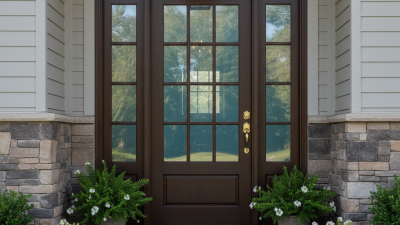
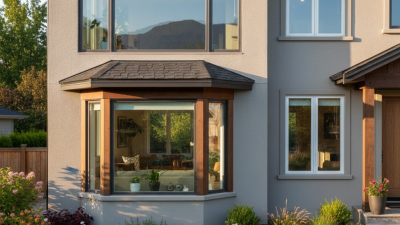
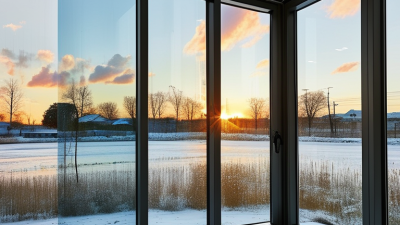
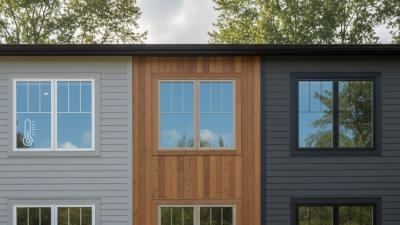
Why Choose Exterior Doors With Windows?
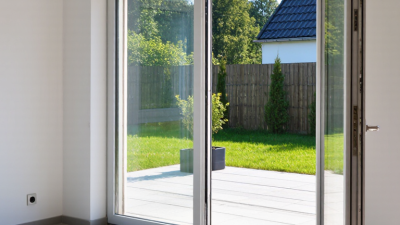
Exterior doors with windows can change how a home feels before anyone enters. Morning light can reach a dim hallway. Clear glass can frame a tree, porch, or familiar street view. The right design may also make a narrow entry feel more open. However, beauty alone should not decide the purchase.
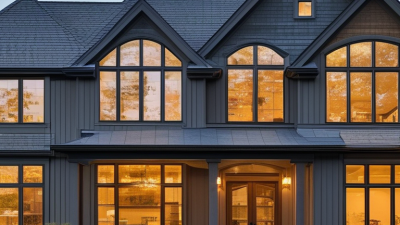
Architect Sarah Susanka famously described the front door as “the handshake of the house.” Her observation explains why this choice matters. The door introduces your home’s character, while its glass controls light, privacy, and visual connection. Frosted glass may soften outside views. Low-emissivity glass can help reduce heat transfer. Strong frames and multipoint locks add practical reassurance.
Yet, exterior doors with windows are not automatically better. A south-facing entry may become uncomfortably warm in summer. A clear panel may expose more of your routine than expected. Even attractive glass can show fingerprints, dust, and rain marks. Small details matter.
This guide examines those trade-offs carefully. It considers energy performance, security, maintenance, style, and everyday comfort. Personal experience matters here. A door that looks impressive in a showroom may feel cold beside an unheated foyer. That mistake is easy to make. I would also question broad claims about “maximum efficiency,” because installation quality often affects results. Poor sealing can waste energy, regardless of the glass specification.
Choosing well means matching the door to your climate, entrance, and habits. Light is valuable. Privacy is valuable too. The best answer depends on both.
What Are Exterior Doors With Windows?
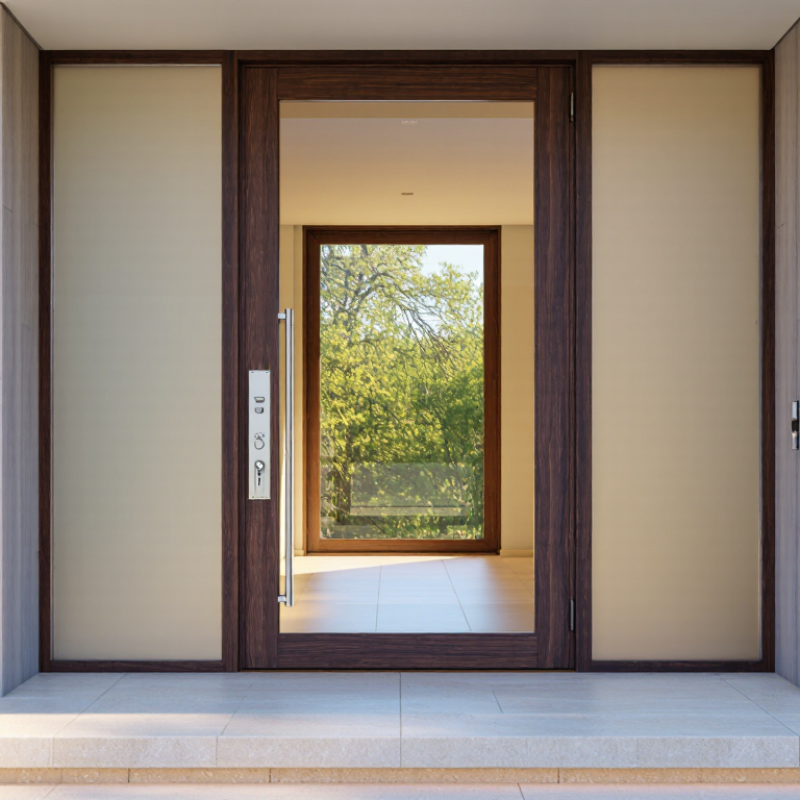
Exterior doors with windows are entry doors that combine a solid frame with one or more glass panels. The glass may appear as a narrow vertical lite, a half-view panel, or a nearly full-height section. It brings daylight into darker areas, such as an enclosed porch or shaded hallway. It also lets occupants see visitors before opening the door. However, the glass is not free.
Performance depends on the door’s U-factor, solar heat gain coefficient, glazing type, and weatherstripping. The U.S. Department of Energy reports that windows account for about 25–30% of residential heating and cooling energy use. A poorly sealed glazed door can create similar comfort problems near the threshold. Look for an NFRC label, insulated low-emissivity glass, and a multipoint or well-adjusted latch. These details matter more than decorative glass alone.
Experience from installation work shows that orientation changes the decision. South- and west-facing glass may add unwanted summer heat, while north-facing glass usually offers softer light. Laminated or tempered safety glass can improve durability, but neither option removes every risk. Privacy glass may reduce visibility from outside, yet it can also reduce useful daylight. Many homeowners choose oversized panes too quickly. A smaller, carefully positioned window often provides enough light without making the entry feel exposed.
How Windowed Exterior Doors Improve Natural Light and Visibility
Windowed exterior doors can change how a home feels during the day. A glass panel allows sunlight to reach entry halls, stairways, and darker corners. Even a narrow pane may reduce the need for electric lighting before sunset. The effect is noticeable on cloudy mornings.
Clear glass also improves visibility near the entrance. Homeowners can see visitors, packages, or movement outside without opening the door. This added awareness can make daily routines feel more secure. I have found that a wide viewing panel helps parents watch children playing near the porch.
Glass choice matters. Low-emissivity glazing can limit heat transfer while preserving daylight. Double-pane construction may reduce outdoor noise and drafts. Frosted or textured glass supports privacy, especially when the door faces a sidewalk. However, privacy glass can make outside details less clear. That trade-off is easy to overlook.
Professional installation remains important. A poorly fitted door may admit air around the frame, weakening its comfort benefits. Check the sill, weatherstripping, hinges, and locking hardware during installation. Clean the glass regularly, because dust quickly reduces brightness. Windowed doors are not perfect. Strong afternoon sun may create glare or fade nearby flooring. Exterior shades or a small porch overhang can help. A careful design should balance daylight, visibility, privacy, and local weather conditions.
Why Choose Exterior Doors With Windows?
Windowed exterior doors can bring more daylight into entryways and provide better visibility toward outdoor areas. The chart compares the representative visible glass area of common glazing styles in a 36 × 80-inch exterior door.
Which Materials and Glass Options Are Available?
Exterior doors with windows must balance appearance, durability, insulation, and security. The door material strongly affects that balance. Fiberglass resists moisture, dents, and daily temperature changes. It can also imitate painted or stained wood with convincing texture. Steel provides strong impact resistance and usually needs little maintenance. However, scratches may expose metal and encourage rust if repairs are delayed. Wood offers natural character and can be refinished, but it requires careful sealing around joints and glass edges.
That detail matters. In practical installations, poor drainage can damage even a high-quality door. A small overhang helps protect the surface from driving rain. Glass selection also deserves close attention. Tempered glass breaks into smaller pieces, reducing injury risks during accidental impact. Laminated glass holds together after breaking and can improve security and sound control. Low-emissivity glass helps limit heat transfer, while double-pane units provide better insulation than single panes. Triple-pane glass may suit colder regions, though its added weight can require stronger hinges and framing. Frosted or textured glass increases privacy without removing daylight. Clear glass provides the brightest view but may reveal indoor activity at night. Decorative patterns can add character, yet some designs are harder to clean. I once underestimated that maintenance issue. It matters over time. Before ordering, check the door’s climate exposure, glass orientation, frame compatibility, and local safety requirements. A beautiful combination can still perform poorly when the surrounding wall is not sealed correctly.
What Security and Energy Factors Should You Consider?
Why Choose Exterior Doors With Windows?
What Security and Energy Factors Should You Consider?
Exterior doors with windows can brighten an entryway and improve visibility. However, the glass introduces security and energy questions. A strong door is not automatically a secure door. The lock, frame, hinges, glass, and installation must work together.
For security, consider laminated or impact-resistant glass rather than ordinary single-pane glass. Laminated glass stays attached to its inner layer when damaged, which can slow forced entry. Choose a solid frame, protected hinges, and a multi-point locking system when suitable. The window should also be positioned away from the main lock. A narrow side panel may offer better control than a large glass area. A window is never a magic shield. Poor installation can weaken good materials.
Energy performance depends on the whole door assembly. Look for insulated cores, low-emissivity glazing, warm-edge spacers, and reliable weatherstripping. Compare the U-factor and solar heat gain coefficient for your climate. In cold regions, lower heat transfer matters. In sunny regions, controlling unwanted solar heat matters more. A professional inspection should check air leaks around the threshold and frame. Small gaps can create cold floors and higher heating costs. I would not rely on glass ratings alone; installation quality is easy to overlook.
Tips: Check the glass label, test the lock, inspect seals, and ask for verified performance data. Recheck the threshold after heavy rain.
How to Choose the Right Windowed Exterior Door for Your Home
Why Choose Exterior Doors With Windows?
Choosing the right windowed exterior door starts with your home’s actual conditions. A beautiful door can perform poorly in the wrong location. Consider the entry’s direction, weather exposure, and daily traffic. A south-facing doorway may receive strong afternoon heat. Frost, wind, and driving rain create different demands.
Choose glass based on comfort, privacy, and safety. Low-emissivity glass can reduce heat transfer while allowing daylight inside. Frosted or textured glass protects privacy near bedrooms or busy walkways. Test the glass sample at different times of day. Morning light can reveal glare that a showroom does not. A smaller window may suit a private entrance better than a full-length panel.
The frame and threshold matter just as much as the glass. Measure the rough opening carefully, including wall thickness and floor height. Check that the door swing will not block furniture, steps, or a nearby walkway. Look for durable weather seals and a threshold suited to your local rainfall. Professional installation helps prevent drafts, leaks, and uneven closing. Still, installation alone cannot fix a poor design choice. The prettiest door may need more cleaning than expected, especially beside a dusty road. Review maintenance needs before choosing a detailed frame or divided glass pattern.