Choosing residential windows is not just a style decision. It affects comfort, energy use, noise, daylight, and how often you reach for the thermostat. The U.S. Department of Energy’s Energy Saver guidance estimates that windows account for about 25%–30% of residential heating and cooling energy use. That figure makes the frame, glass, and installation details worth a closer look.
Building scientist Joseph Lstiburek is often quoted as saying, “Windows are holes in the wall.” It is a blunt reminder, not a complete buying guide. A window’s U-factor indicates how readily heat passes through it, while its solar heat gain coefficient describes how much solar heat enters. The National Fenestration Rating Council provides standardized ratings, and ENERGY STAR criteria can help compare products suited to different climate zones. Check the actual label, not just a sales claim.
The ten tips ahead cover climate, glass packages, frames, operation, installation, warranties, and budget. Picture a cold draft beside a living-room chair, or afternoon sun fading a rug; small details become very real at home. Better ratings may help, but they cannot fix poor installation. Nor does the most expensive option automatically fit every house. Choosing well takes measurements, careful comparisons, and sometimes a second opinion. Even then, trade-offs remain. A quieter room, lower energy bills, and a clear view may not arrive in one package.
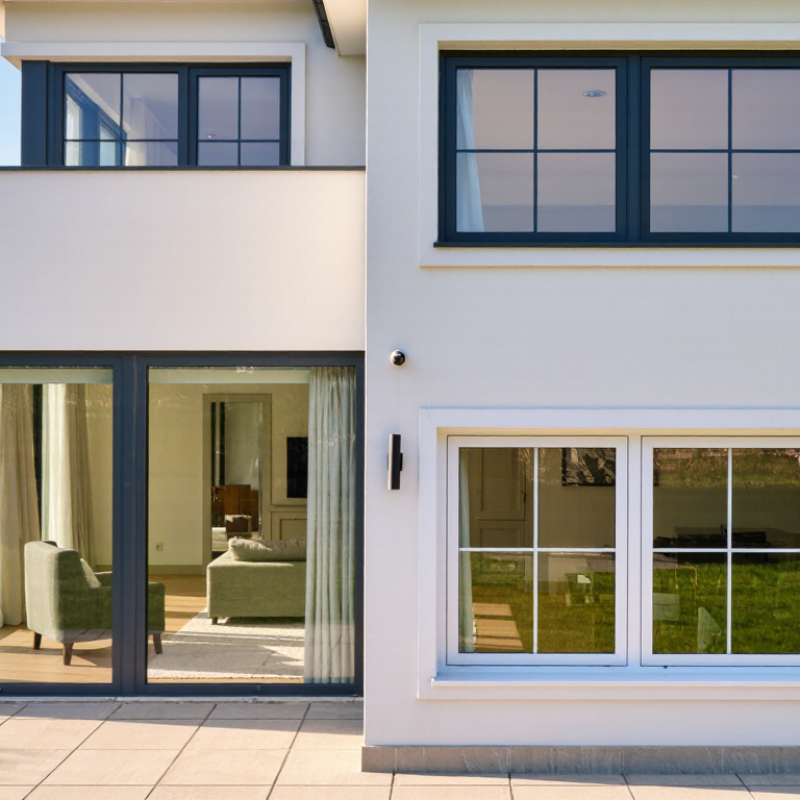
Tip 1: Start with your local climate. In cold areas, compare insulation ratings and check for drafts around existing frames. Hot, sunny rooms may benefit from low-emissivity glass or exterior shading. Coastal dampness and driving rain also matter. Ask a qualified installer how proposed materials handle your region’s weather, rather than relying on appearance alone.
Tip 2: Match windows to the room’s direction and daily use. South- or west-facing glass can bring strong afternoon heat, while a north-facing room may need more daylight. In a kitchen, an easy-to-open window can help release cooking moisture. For bedrooms, consider outside noise and privacy. Small details count.
Tip 3: Study the layout before choosing a style or size. Measure each opening, note nearby furniture, and check whether curtains, counters, or walkways could block operation. A window that opens into a narrow path may be awkward. Also confirm ventilation and safety needs with a professional. It is easy to focus on energy ratings and overlook how a room actually works; I would revisit that choice before ordering.
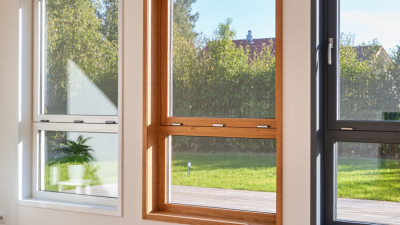
Frame material changes both upkeep and comfort. Vinyl frames resist moisture and need little painting, though dark colors may expand more in strong sun. Wood offers a warm finish and can be repaired, but exposed edges need regular care. Fiberglass stays stable through temperature swings and often costs more upfront. Aluminum looks slim and modern, yet conducts heat unless its design includes a thermal break. Compare the whole window, not just the frame label.
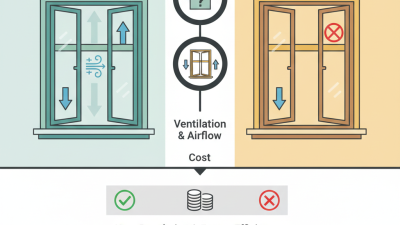
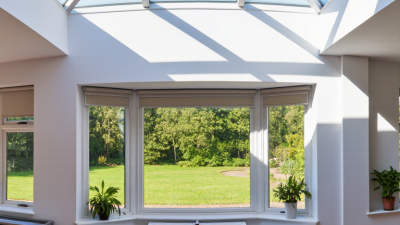
Style affects light, ventilation, and the room’s appearance. A picture window gives a clear view but does not open. Double-hung windows suit many traditional homes and let you open either sash; sliding windows are simple to operate but need clear wall space. Casement windows crank outward and catch breezes well. Awning windows open at the bottom, which can help during light rain, though wind-driven rain is another matter.
Check how each opening type fits daily routines. A crank can be awkward above a kitchen sink, while a sliding sash may be easier in a tight walkway. Measure the opening and note nearby furniture, screens, and exterior obstacles. Small details matter. Compare glass options and frame performance for your local climate, then confirm the installer’s measurements and product specifications. It is easy to favor appearance first; I would still test the handles and locks before deciding.
When comparing window styles and opening types, check the usable opening—not just the frame size. The chart shows common International Residential Code minimums for emergency escape and rescue openings.
The opening must also be at least 20 inches wide and 24 inches high, with the bottom of the clear opening no more than 44 inches above the floor. Local codes and exceptions may differ; confirm requirements with your building department. Source: International Residential Code, Section R310.2.1.
Tip: Compare glass by more than pane count. Double glazing can improve insulation, while laminated glass may reduce some outside noise. Ask for whole-window U-factor and solar heat gain coefficient ratings, not glass-only figures. Lower U-factor generally means less heat transfer, but the right solar gain depends on your climate and window direction. A sunny south-facing room may need different glass from a shaded bedroom.
Tip: Read energy ratings in context. Check that the rating applies to the complete window and uses a comparable testing standard. Look for tight weather seals and a frame suited to local conditions. Ratings help narrow choices, but they cannot predict every room’s comfort. A poorly fitted window can still leak drafts around the edges. Small gaps matter.
Tip: For noise control, consider both the glass and the installation. Unequal pane thicknesses or laminated layers may help with certain traffic sounds, but results vary by frequency. Ask whether a quoted sound rating reflects the whole unit. Then inspect the opening for gaps, especially near corners and trim. It is tempting to focus only on glass specifications; that is not always enough. Even a strong rating may disappoint beside a loose sash or thin wall.
Safety deserves more than a strong-looking frame. The U.S. Consumer Product Safety Commission reports that about 3,300 children under five receive emergency-room treatment each year after falling from windows. Ask whether the window can accept a restrictor that limits opening, while still allowing emergency escape where required. Check that locks engage firmly and are easy for adults to operate. Small details matter. A lock that sticks may be ignored.
Durability starts with materials suited to local weather, sound seals, and effective water drainage. Look for clear maintenance instructions and inspect sample corners, tracks, and hardware—not just the glass. The U.S. Department of Energy estimates that heat gain and loss through windows account for 25–30% of residential heating and cooling energy use. That makes a tight, well-maintained seal practical, not cosmetic. I would not judge a window by its warranty alone; installation and upkeep matter, too. Wipe tracks, clear weep holes, and check seals each year. It takes time. I might still overlook a small gap during a quick showroom visit, so a careful inspection is worth the extra minute.
| No. | What to Consider | What to Check | Why It Matters |
|---|---|---|---|
| 1 | Safety glazing | Check whether windows near doors, tubs, showers, stairs, or close to the floor require safety glazing under local building codes. Tempered and laminated glass are common safety-glazing types. | Safety-glazing requirements depend on the window’s location and size. Confirm the rules for your project rather than assuming ordinary glass is suitable. |
| 2 | Emergency escape | For bedrooms and other spaces where an emergency escape opening is required, check the clear opening, sill height, and operation against local code. The net clear opening can be smaller than the frame’s stated dimensions. | A window may look large but still provide too little usable opening for an emergency exit. Requirements vary by jurisdiction and building type. |
| 3 | Locks and security | Look for secure, easy-to-operate locks and check that the sash closes firmly and aligns correctly. Consider laminated glass or additional security measures where appropriate. | Locks and sound installation help resist forced entry. No window feature alone can guarantee a home is secure. |
| 4 | Energy performance | Compare the whole-window U-factor and Solar Heat Gain Coefficient (SHGC) on a recognized energy-performance label. Choose values suited to your climate, orientation, and heating or cooling needs. | U-factor indicates heat transfer; lower values generally mean better insulation. SHGC indicates how much solar heat enters; the preferred value depends on climate and design. |
| 5 | Air and water resistance | Review tested air-leakage and water-penetration performance, and ask how the window will be flashed, sealed, and integrated with the wall assembly. | Good product performance and careful installation both matter for limiting drafts and water intrusion. Installation details should suit the building and local weather exposure. |
| 6 | Frame material | Compare common options such as vinyl, fiberglass, wood, and aluminum for insulation, appearance, upkeep, and exposure to moisture or coastal conditions. | Materials differ in thermal performance and maintenance needs. For example, exposed wood generally needs more finish care than many vinyl or fiberglass frames. |
| 7 | Glass construction | Consider double- or triple-pane glazing, low-emissivity coatings, and gas fills where available. Check the complete window rating rather than judging by pane count alone. | Glazing choices can affect heat transfer, solar gain, and comfort. Overall performance also depends on the frame, spacers, and window size. |
| 8 | Maintenance needs | Ask how often frames, finishes, seals, tracks, and hardware need inspection or cleaning. Check whether moving parts and weatherstripping are accessible for routine care. | Regular cleaning and inspection can help keep windows operating properly and make wear or seal problems easier to spot. |
| 9 | Durability and repair | Check the quality of hinges, balances, locks, drainage paths, and replaceable components. Ask how glass units, weatherstripping, and hardware can be serviced if they wear or fail. | Repairable parts can make long-term upkeep more practical. Durability depends on product construction, exposure, use, and installation quality. |
| 10 | Installation and documentation | Confirm that the installer will follow the manufacturer’s instructions and applicable building codes. Review the written warranty, maintenance guidance, and any limits on coverage. | Even a well-rated window can perform poorly if installed incorrectly. Clear documentation helps you understand maintenance responsibilities and warranty conditions. |
Window quotes can hide very different scopes. Compare the full installed price, not just the window unit. The 2024 JLC Cost vs. Value Report estimated a national average of $21,264 for vinyl window replacement, with 68.2% cost recouped at resale. Those averages are not a bid. The U.S. Department of Energy says heat gain and loss through windows account for 25–30% of residential heating and cooling energy use. Glass performance can affect comfort and energy bills.
Tips:
Installation details matter. A rough opening that looks square may not be; ask how the installer will handle rot, gaps, flashing, and interior trim. These details can change the final cost. Get any repair allowances in writing before work begins. Read warranties closely: glass coverage may differ from frame coverage, and labor may have a shorter term. Keep the signed quote, product specifications, and care instructions together. One overlooked detail can become an awkward surprise.
Ontario launching new 12-year rebate program